What 'Magnolia' Says About Childhood Trauma
Magnolia focuses on how one’s childhood and trauma relate to their confidence and self.





Captain Etienne Navarre is a man on whose shoulders lies a cruel curse. Punished for loving each other, Navarre must become a wolf by night whilst his lover, Lady Isabeau, takes the form of a hawk by day. Together, with the thief Philippe Gaston, they must try to overthrow the corrupt Bishop and in doing so break the spell.

Richard Donner
Director


Matthew Broderick
Phillipe Gaston

Rutger Hauer
Captain Etienne Navarre

Michelle Pfeiffer
Isabeau d'Anjou

Alfred Molina
Cezar
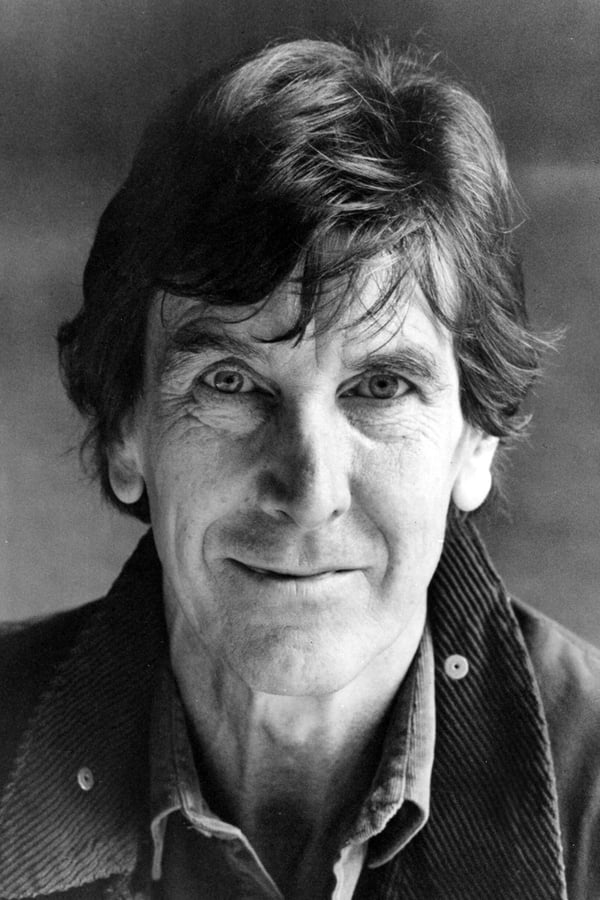
John Wood
Bishop of Aquila
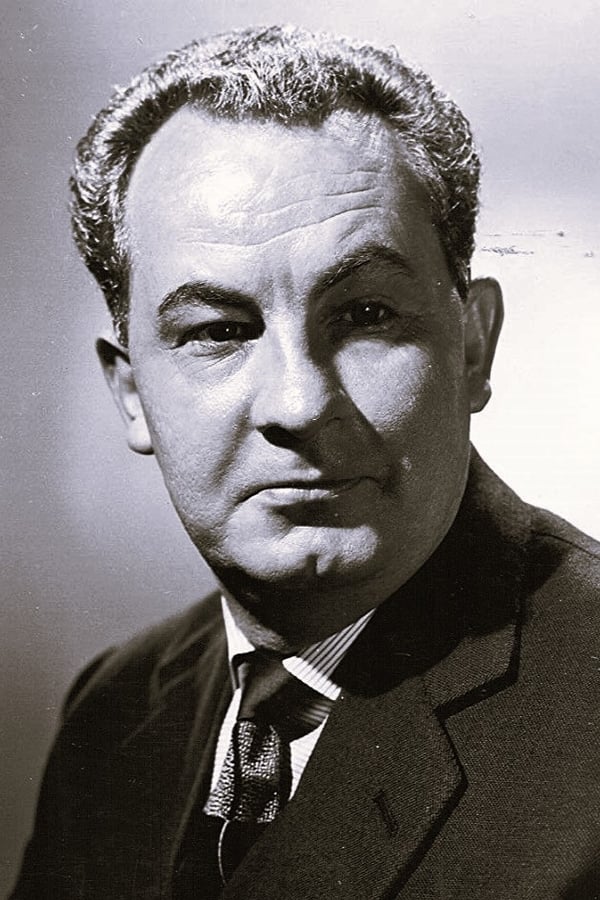
Leo McKern
Father Imperius
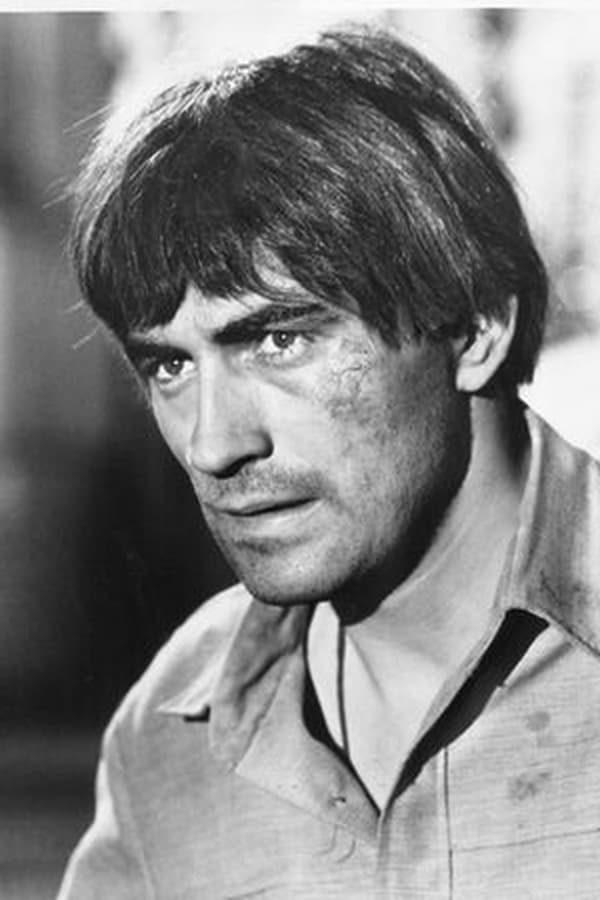
Ken Hutchison
Marquet

Giancarlo Prete
Fornac

Loris Loddi
Jehan

Charles Borromel
Insane Prisoner
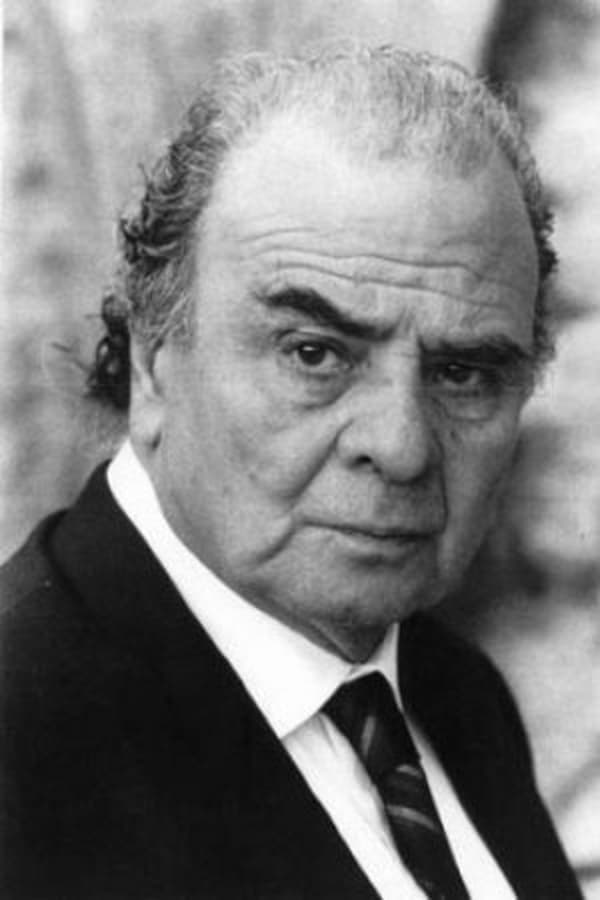
Massimo Sarchielli
Innkeeper
Magnolia focuses on how one’s childhood and trauma relate to their confidence and self.
Wilde’s coming-of-age comedy directorial debut is simultaneously hilarious and entertaining, and remarkably heartfelt and relatable.
Throughout Brendan Fraser’s career, he has played a plethora of unique, layered characters who explore the importance of not being afraid to display your emotions, something that is often seen to not be a masculine trait. This idea of regulating emotion and what traits men are able to possess creates a toxic atmosphere for men who are often told they should not cry or represent their emotions in any physical way. These characters represent that men can be joyful, emotionally conscious, and sensitive, while also representing their masculine identity instead of painting those qualities as fighting against their masculinity.
As noted in the headline, I didn’t like this movie. Not to say it’s the worst thing ever, but it’s just…meh. Nothing much to it. Very generic. No surprises. At the very least, the cast is diverse so I’ll give it that.
Episode 3, entitled “Now in Color,” brings us to the 1970s — a decade full of vibrancy, color, and total mayhem.
I highly recommend Dark Waters. It’s a highly engrossing picture, which lends itself to cautionary storytelling. The dark information continually grows, inspiring change and accountability altogether. Overall, Haynes’ picture will not be known for its inclusiveness--but it will be known for being a fantastic, engrossing film.