Sweet Girl's Mind-Boggling Twist Makes the Movie... Feminist
For the most part, 'Sweet Girl' recycles tired hyper masculine revenge tropes, but a surprise twist in the end turns it into a female-centric revenge film.
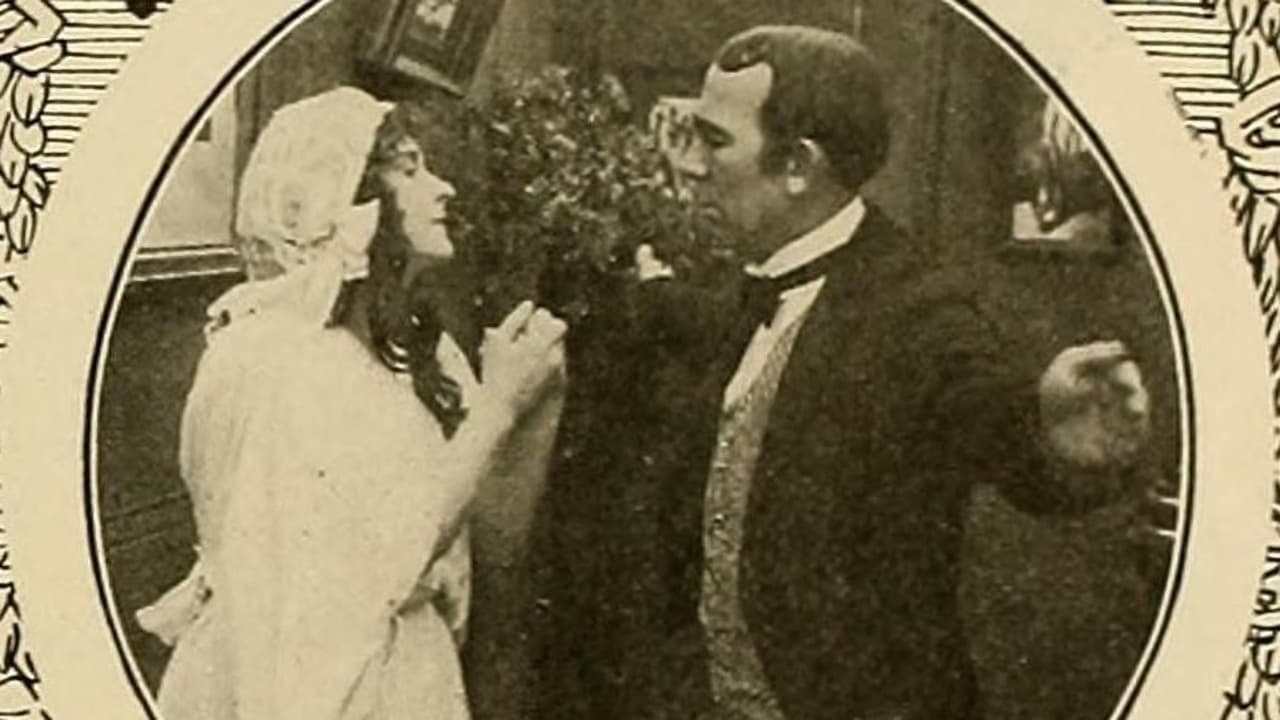
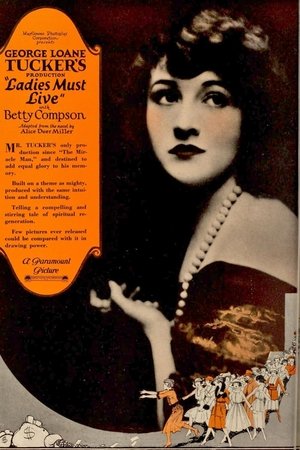


Schooled by her wealthy brother-in-law William Hollins, Christine Bleeker plans to marry Ralph Lincourt when he is divorced. He, however, is equally pursued by Nancy Barron, whom Christine dislikes. Ned Klegg loves social secretary Barbara, and resents the attention paid her by Barron, Nancy's elderly husband. Nell Martin, a servant in the Hollins home, is in love with the gardener but is persecuted by the butler. Aviator Mulvain and his mechanic Le Prim arrive, and Le Prim absconds with Nancy in an auto, pursued by Mulvain and Christine, who force him to release her. Christine announces her engagement to Mulvain, who declares he is a poor man. In the resulting commotion, it transpires that Nell, threatened with exposure, has drowned herself. The shock brings a change of emotion: Barbara rejects Barron and accepts Klegg, and Christine accepts Mulvain, content to share his poverty. Considered a lost film.

George Loane Tucker
Director
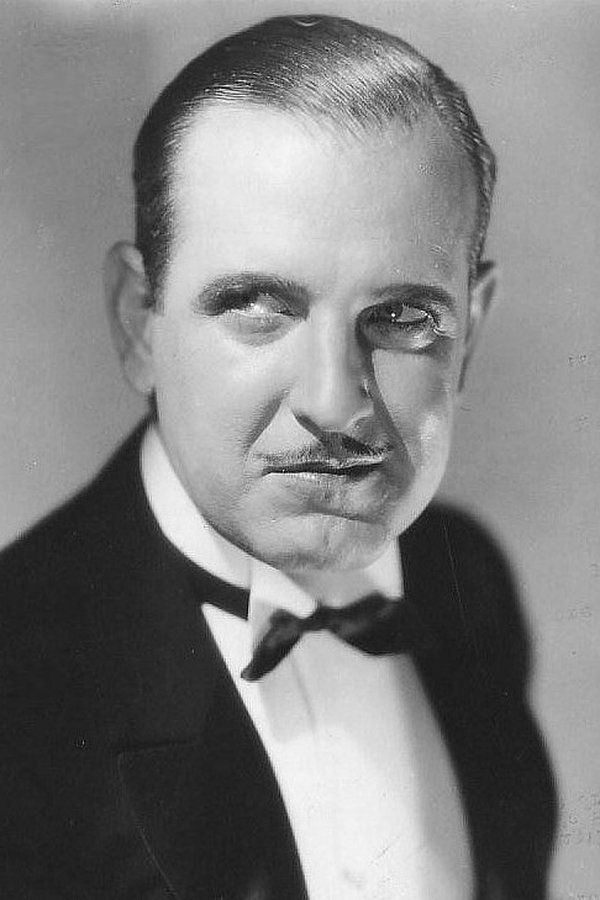
Robert Ellis
Anthony Mulvain
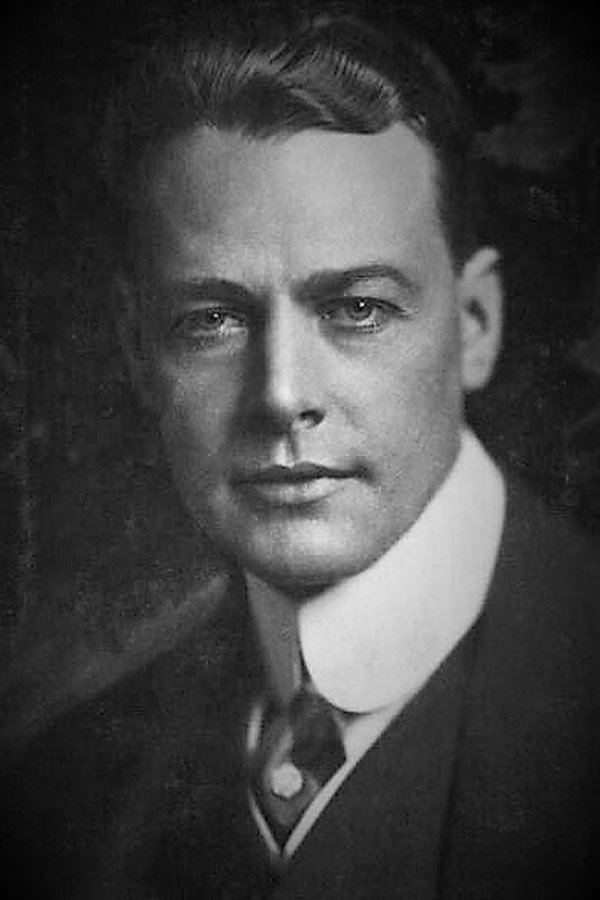
Mahlon Hamilton
Ralph Lincourt

Betty Compson
Christine Bleeker

Leatrice Joy
Barbara

Hardee Kirkland
William Hollins
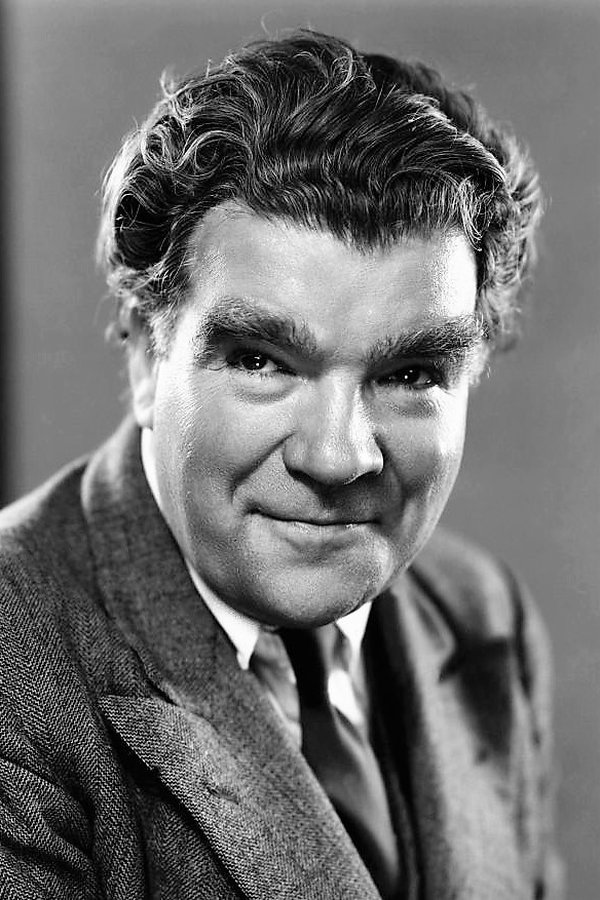
Gibson Gowland
Michael Le Prim
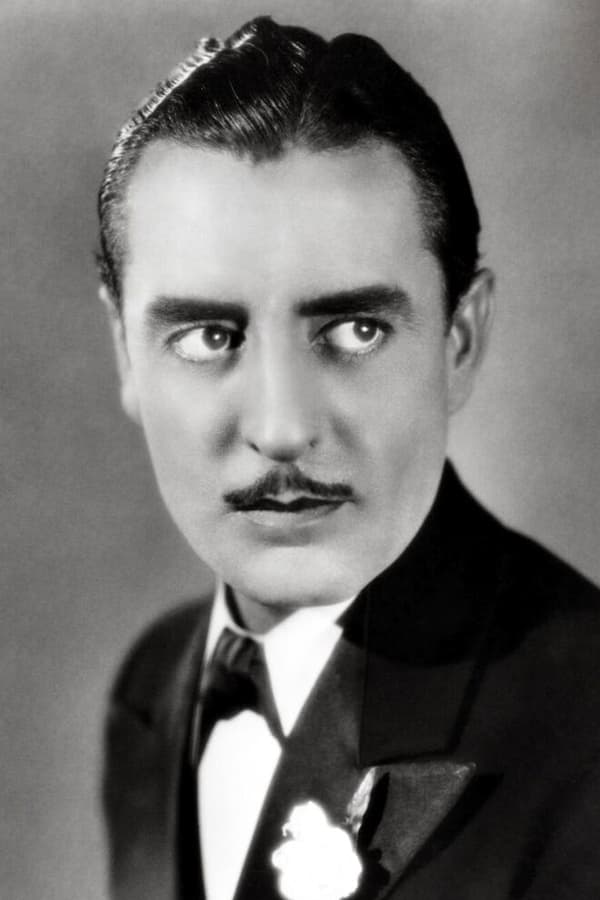
John Gilbert
The Gardener

Cleo Madison
Mrs. Lincourt
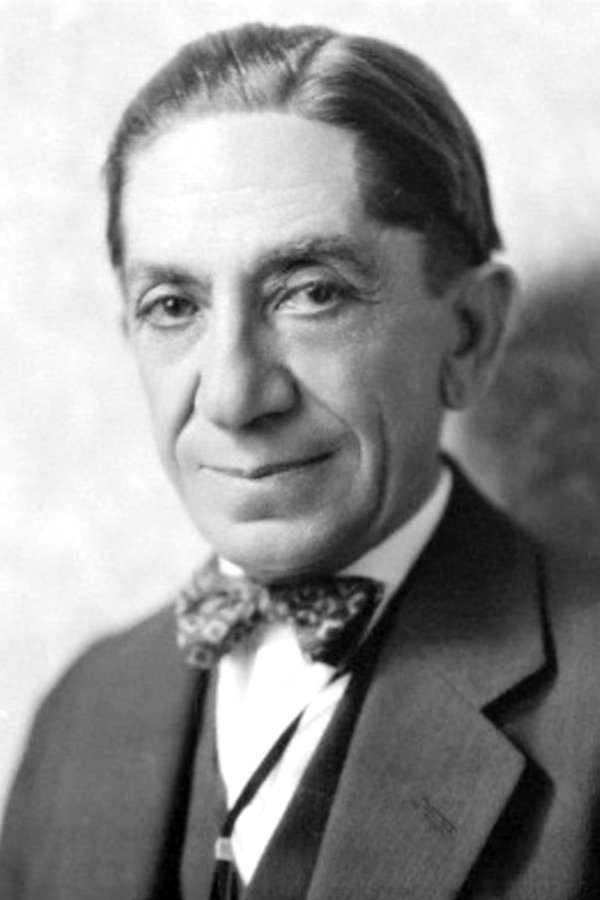
Snitz Edwards
Edward Barron

Lucille Hutton
Nell Martin
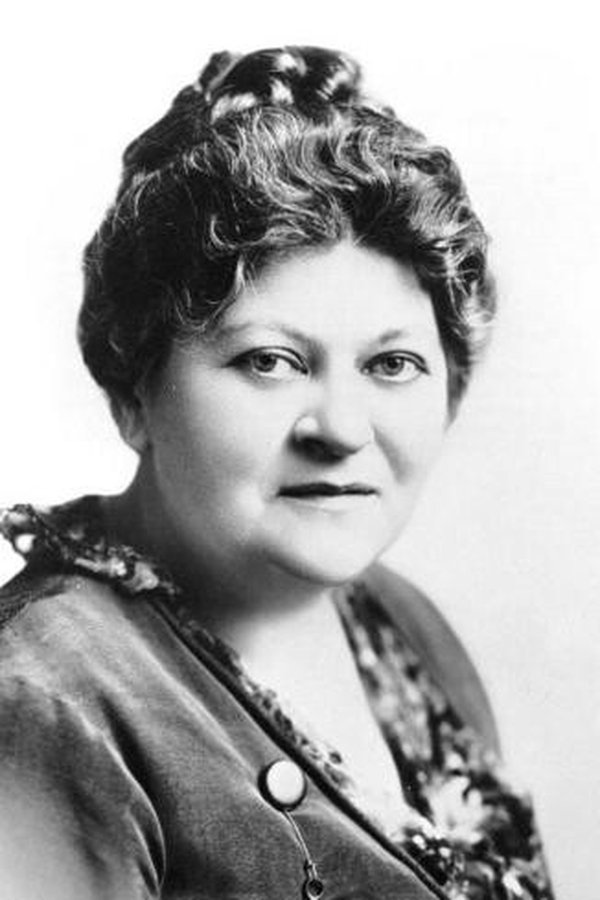
Lule Warrenton
Nora Flanagan
For the most part, 'Sweet Girl' recycles tired hyper masculine revenge tropes, but a surprise twist in the end turns it into a female-centric revenge film.
Lady Bird (Saoirse Ronan) tells her mother (Laurie Metcalf) that she wants to live through something — something that matters.
We can criticize depictions from old media, but they weren’t simply “good for their time”. They were fighting and struggling in a world we can’t imagine.
Set against the backdrop of the Jim Crow era, the film offers layered representation.
Disney remakes have often gotten a bad rap for their consistent reliance on the originals and overuse of CGI. However, Mulan is a remake that is able to transcend beyond Disney's other remakes with a confident and bold earnestness.
There's no hiding the horrors of war in this inspiring story of survival