







It: Chapter Two Review: An Ambitious, Worthwhile Sequel
This is ambitious horror filmmaking, and in a lot of ways, I fully admire its ambitions. For me, the film’s sloppiness defines its overall quality.
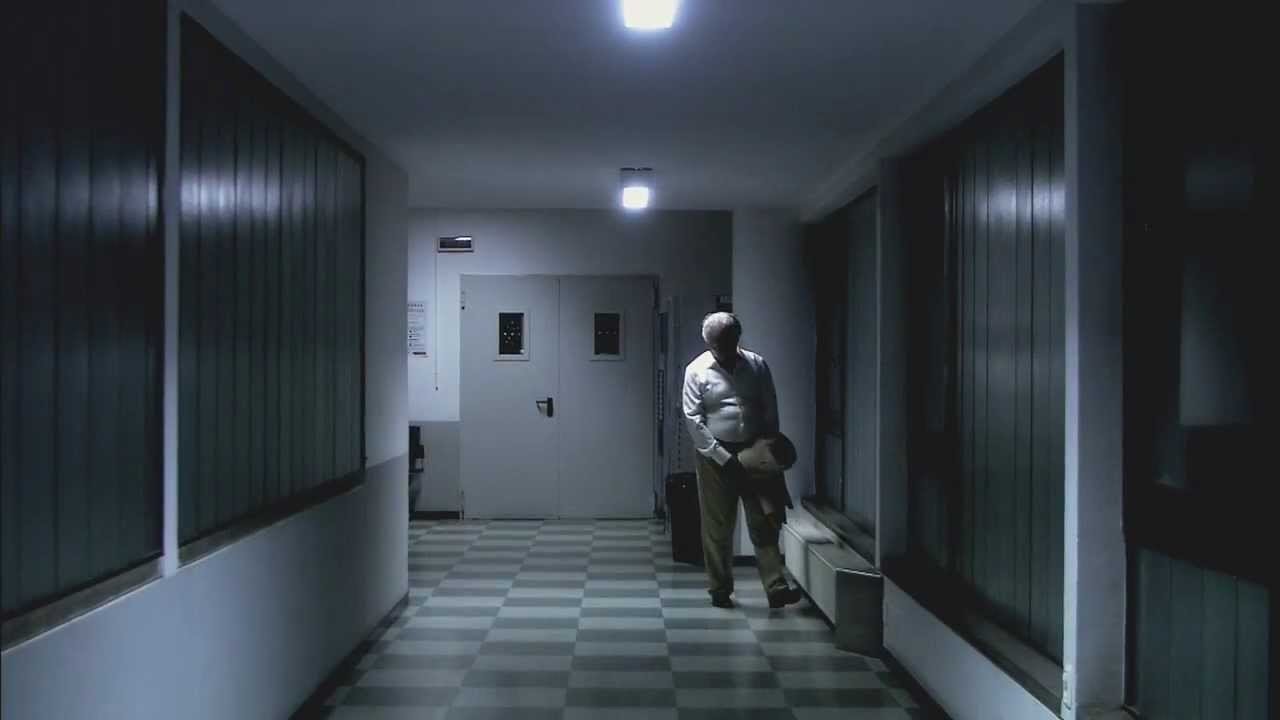



There are moments in life when, suddenly, everything stops. For Michelangelo, a young aspiring writer about to publish his first book, everything comes to a halt with the death of his father, forcing him to abandon his ambitions and provide for his family. Antonio, a successful manager accustomed to a perfect life, finds himself imprisoned by his wife's inability to overcome the death of their daughter. Giulia, on the other hand, is a young woman who has just given birth, whose husband had an accident shortly before their daughter's birth and is in a coma, in the same hospital where their daughter was born. Giulia lives there day and night, waiting for her husband to wake up: only then will she name her daughter. The interrupted lives of these three characters intertwine, waiting to find the turning point, the path that will lead them home.
This is ambitious horror filmmaking, and in a lot of ways, I fully admire its ambitions. For me, the film’s sloppiness defines its overall quality.
Throughout Brendan Fraser’s career, he has played a plethora of unique, layered characters who explore the importance of not being afraid to display your emotions, something that is often seen to not be a masculine trait. This idea of regulating emotion and what traits men are able to possess creates a toxic atmosphere for men who are often told they should not cry or represent their emotions in any physical way. These characters represent that men can be joyful, emotionally conscious, and sensitive, while also representing their masculine identity instead of painting those qualities as fighting against their masculinity.
I'm bad, and that's good. I will never be good, and that's not bad. There's no one I'd rather be than me.
Pose tells stories of queer joy and love in a time of intense hate and sadness.
This HBO mini-series asks why a young white man turned to violence and finds no easy answers. But why do we only ask questions about certain kinds of killers?
With This is Us now on its fifth season and A Million Little Things on its third, we have a lot of material to entertain the hypothetical: if these two shows got in the ring together, who would come out victorious? Despite the endless recognition for the former’s success, I dare say I’d put my money on A Million Little Things once all is said and done.