Troll Hunter: Horror with a Playful Look at Religion
It surely isn't for everybody and could certainly offend some folks, but Troll Hunter takes a different approach to representing religion in a film.
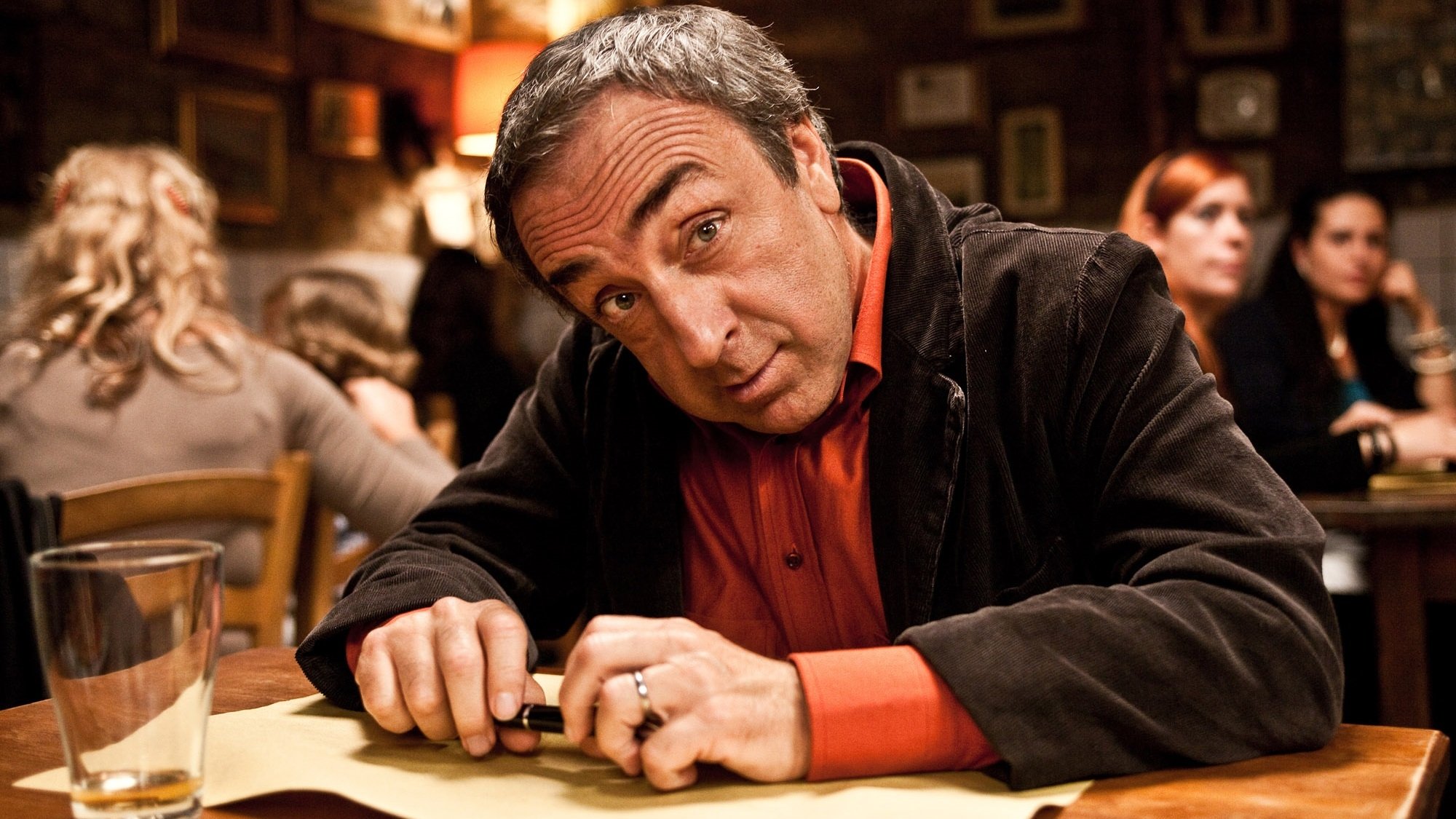
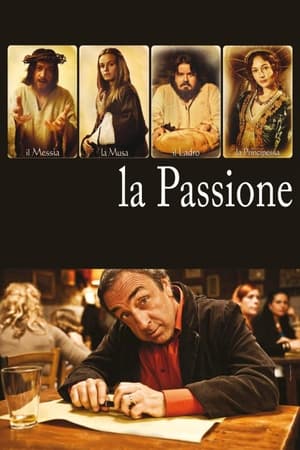


To avoid being sued, a film director reluctantly agrees to set up and direct the Good Friday celebrations in a small Tuscan town.
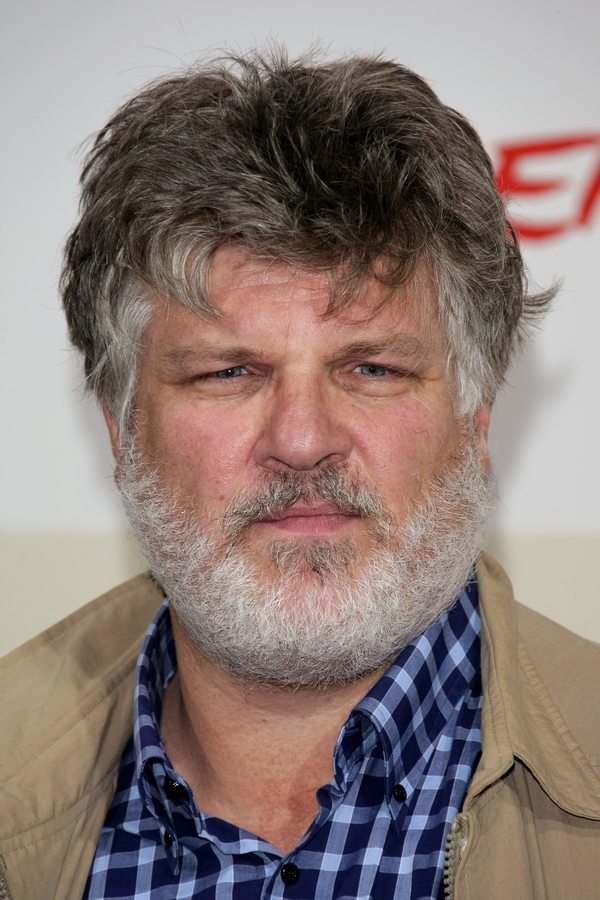
Carlo Mazzacurati
Director


Silvio Orlando
Gianni Dubois

Giuseppe Battiston
Ramiro

Kasia Smutniak
Caterina
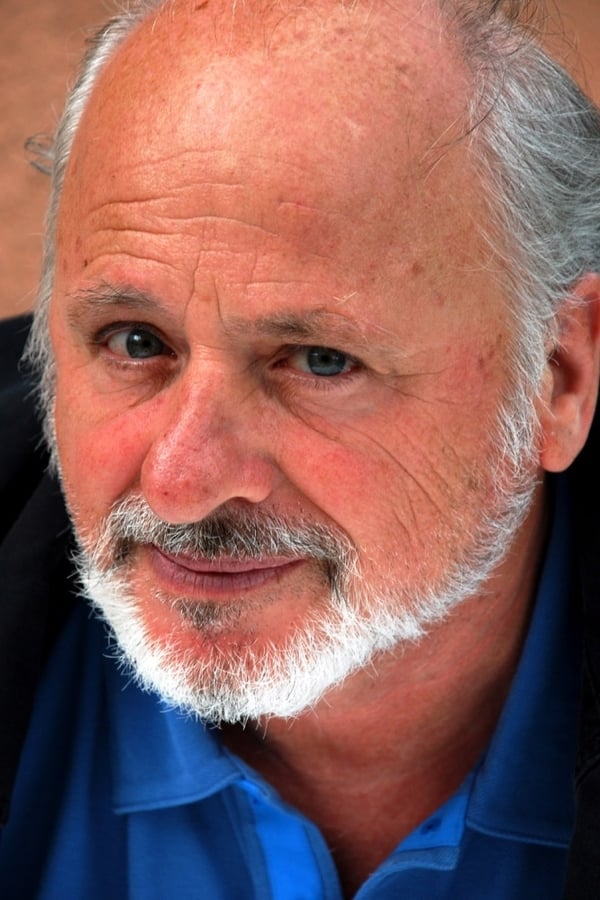
Marco Messeri
Del Ghianda
Maria Paiato
Helga

Fausto Russo Alesi
Pippo

Cristiana Capotondi
Flaminia Sbarbato
Stefania Sandrelli
Sindachella
Corrado Guzzanti
Abbruscati
Cosimo Messeri
Il pianista
Giovanni Mascherini
Jonathan
It surely isn't for everybody and could certainly offend some folks, but Troll Hunter takes a different approach to representing religion in a film.
Netflix’s Shadow and Bone has a complicated relationship with race. It has a diverse cast, but not without its problems. Based on Leigh Bardugo’s two book series, the show features characters from the Shadow and Bone trilogy, which is very straight and white, and the Six of Crows duology, which is much more diverse. When bringing together a cast and writing about these characters, the team behind the show expanded upon some of the representation missing from the first trilogy, then seemed to take away representation from the duology. Shadow and Bone seems to play a bit of a push and pull game when it comes to portraying diversity onscreen.
April, a professional dancer, reluctantly trains a group of girls at a dance school for the dance competition.
This Japanese Anime movie is about Kanna, a young girl who sets on a quest across Japan to discover her true identity.
SPOILERS AHEAD. Sweet Sweetback's Baadasssss Song distinguished itself from Hollywood films of its time by introducing New Wave cinema storytelling methods into Black cinema.