

'Blue Beetle': Family over Fanfare
'Blue Beetle' is another solid addition to the superhero film canon.
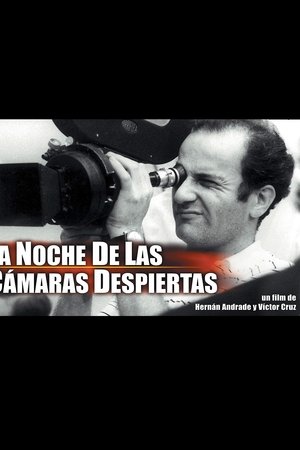


The film tells how in 1970 a group of Argentine filmmakers - including Alberto Fischerman, Rafael Filippelli, Julio Ludueña, Miguel Bejo, Jorge Cedrón, Dody Scheuer and Luis Zanger - decided to make a short film each in one night. The occasion is perfect to describe the atmosphere of the '70s, the fever in which militants and publicists lived, the clash between art and politics. Includes fragments of the films The Players vs. Ángeles Caídos (Fischerman, 1969), Shadows (John Cassavetes, 1959), Made in U.S.A. (Jean-Luc Godard, 1966), L'eclisse (Michelangelo Antonioni, 1962), The Hour of the Furnaces (Pino Solanas & Octavio Getino, 1968), Tire dié (Fernando Birri, 1960), Alianza para el progreso (Ludueña, 1971), La civilización está haciendo masa y no deja oír (Ludueña, 1974) and La pieza de Franz (Fischerman, 1974).
'Blue Beetle' is another solid addition to the superhero film canon.
Naked Gun: The New Police Squad Team delivers exactly what fans want: relentless, expertly crafted chaos that honors the original while cranking everything up to eleven. The gags fire at machine-gun pace—sight jokes layered with wordplay and physical comedy so outrageous it borders on art. It's gleefully self-aware without being cynical, silly without being stupid, and maintains that perfect ZAZ-style balance of treating absolute absurdity with complete seriousness. The film knows exactly what it is: a comedy missile designed for maximum laughs, and it hits its target with surgical precision. Pure, unhinged entertainment that proves spoof comedy still has plenty of life left in it.
Cinderella has been adapted many times over, with the latest adaptation from Amazon sparking controversy over its girlboss agenda. But what of diversity? We rank some of the most popular adaptations for diversity.
If you’re looking for an engaging female-led film that touches on the genres of action, drama, and thriller, look no further than Le-Van Kiet’s "Furie".
I have talked with founder of Red Nation Television Network, Joanelle Romero, and the future of Indigenous representation looks bright.