



"Elio" and What Could Have Been
Elio could be seen as fantastic piece of representation, showing lonely children who feel ostracized that they are not alone. That is, unless you look behind the curtain.
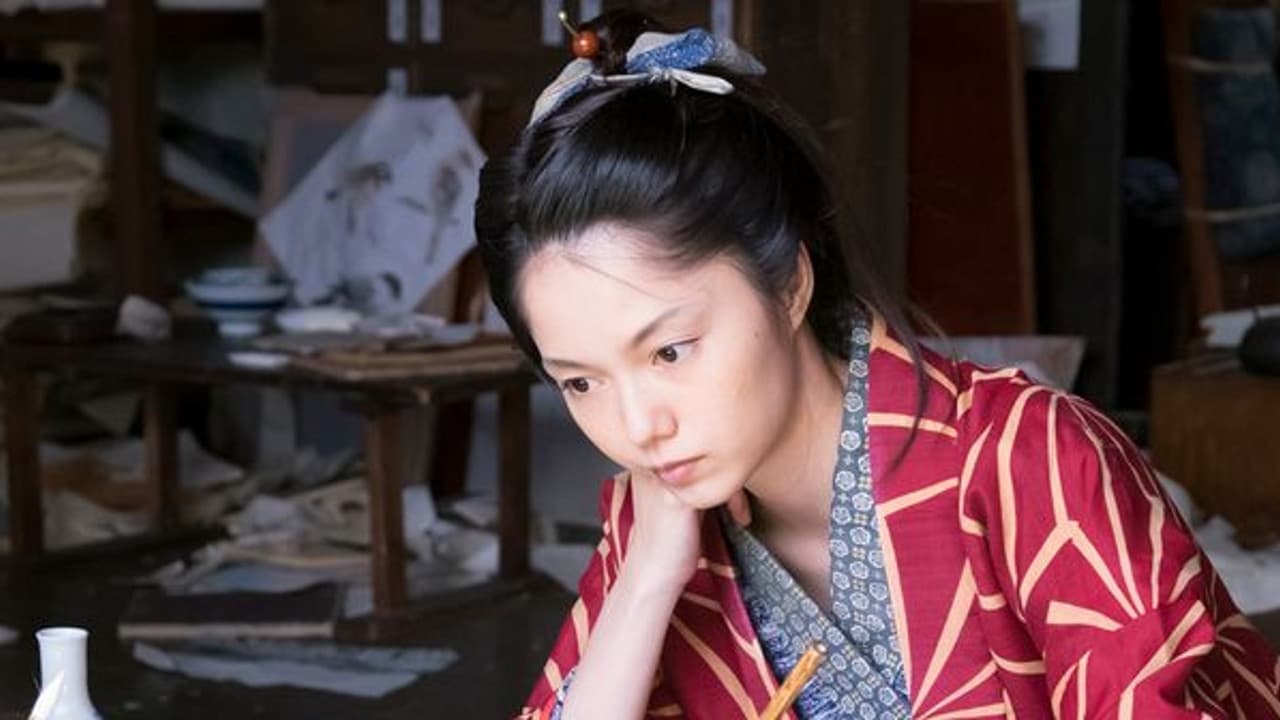
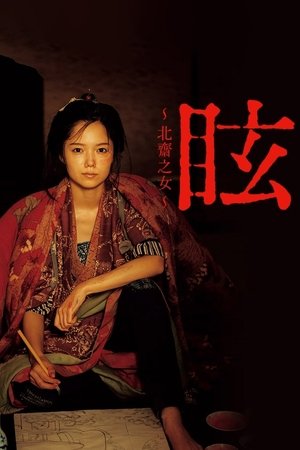


Oei, later known as Katsushika Oi, was born the third daughter of Edo’s talented painter Katsushika Hokusai and his second wife Koto. Although Oei became the wife of a town painter for a time, her love of the paintbrush more than her husband spelt disaster and she comes back home to Hokusai from the family she had married into. This is how Oei starts to help her father out in his painting of the “insurmountable high wall”. Meanwhile, Oei can only talk to the painter Ikeda Zenjiro, who is her father’s student, about her pain and worries. Zenjiro has taken Edo by storm as Keisai Eisen, the master of ukiyo-e portraying beautiful women. He visits regularly because he admires Hokusai and secretly likes Oei although their relationship is like childhood friends. Oei respects her father whose paintings fascinated her and continues to work as a painter who supports him behind the scenes. When Hokusai’s masterpiece Thirty-six Views of Mount Fuji was completed, she was also by his side.
Elio could be seen as fantastic piece of representation, showing lonely children who feel ostracized that they are not alone. That is, unless you look behind the curtain.
Over the last several years, I have had the privilege of being one of the critics having the opportunity to watch and review several films from writer/director/producer Marcellus Cox, whose efforts are never anything less but grounded, relevant, and steeped in unflinching glimpses illustrating the gripping, inspired, and ever-vacillating realms that make up the human condition.
Frozen II is not quite direct to DVD Disney sequel level, but if it wasn’t for the spellbinding animation and budget, it certainly would be.
The sequel following The Son of Bigfoot explores Adam's conflict of discovering his true identity as he tries to save a wildlife preserve.
Set in a future dystopian United States in which water is running out, Julia Hart’s Fast Color (2018) is a refreshingly different take on the superhero film.
These confines won’t really encourage you to read the film as a metaphor for the nerve-inducing experience we’ve all been through over the last year, however — and in the interest of maintaining your dignity, you probably shouldn’t. While the sociopolitical commentary may have worked for the similarly-themed Buried (2010), in which we find Ryan Reynolds on his own buried alive in the Middle East, but this futuristic take on the premise is best left as a piece of distracting entertainment. Nevertheless, the atmosphere is no less suffocating, literally and dramatically.