


How My Octopus Teacher Depicts Healthy Masculinity
In My Octopus Teacher, documentary filmmaker Craig Foster models healthy masculinity by showing us a trusting, gentle, and emotionally fulfilling bond with an octopus.

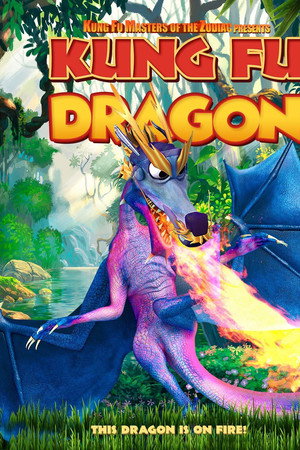
A chosen boy with magical powers is helped by a dragon in his quest to defeat the evil demon Nian.
In My Octopus Teacher, documentary filmmaker Craig Foster models healthy masculinity by showing us a trusting, gentle, and emotionally fulfilling bond with an octopus.
The Invitation takes a creeping look at two simple premises: reuniting with forgotten friends and new-age spiritualism. Though one seems a bit scarier than the other, the film heightens social awkwardness to a macabre level that puts an uncomfortable look on when the social taboo of grief is put on public display.
Throughout Brendan Fraser’s career, he has played a plethora of unique, layered characters who explore the importance of not being afraid to display your emotions, something that is often seen to not be a masculine trait. This idea of regulating emotion and what traits men are able to possess creates a toxic atmosphere for men who are often told they should not cry or represent their emotions in any physical way. These characters represent that men can be joyful, emotionally conscious, and sensitive, while also representing their masculine identity instead of painting those qualities as fighting against their masculinity.
Eddington attempts to capture how media is intertwined with the uncomfortable present.
I'm bad, and that's good. I will never be good, and that's not bad. There's no one I'd rather be than me.
After the untimely death of his brother by way of an ambush in Kandahar, Afghanistan, the protagonist, ‘81’(Alan Ritchson) unsuccessfully makes several attempts to become an Army Ranger. On his last mission to complete the Ranger selection process he and his squad encounter an otherworldly ‘soldier’.