
Finding Happily Ever After in Disney's 'Disenchanted'
A surprise sequel takes place ten years after the original movie based on the title of the same name, but with a twist to the fairy tale.

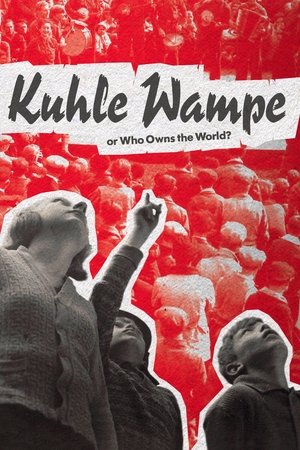


Kuhle Wampe takes place in early-1930s Berlin. The film begins with a montage of newspaper headlines describing steadily-rising unemployment figures. This is followed by scenes of a young man looking for work in the city and the family discussing the unpaid back rent. The young man, brother of the protagonist Anni, removes his wristwatch and throws himself from a window out of despair. Shortly thereafter his family is evicted from their apartment. Now homeless, the family moves into a garden colony of sorts with the name “Kuhle Wampe.”
A surprise sequel takes place ten years after the original movie based on the title of the same name, but with a twist to the fairy tale.
Director Dana Ziyasheva made her directorial debut, 'Defenders of Life' which focuses on the Ngäbe community, and the hardships Ngäbe girls faced in Costa Rica.
Unlike other documentaries about Princess Diana, Perkins’ film, 'The Princess', is an entire documentary consisting of media coverage and public opinion, rather than a typical series of people interviewed with firsthand experience of the Princess. 'The Princess' beautifully depicts how we perceive Diana as a media figure rather than a real person, specifically creating her persona as a fairytale figure turned saint and icon.
Hours before their line-up of screenings for Trans Awareness Week began, the filmmakers of 'When Men Were Men' chatted with me about the film's personal exploration of masculinity.
In ‘The Owl House’ protagonist Luz Noceda stumbles across a portal to another dimension where magic exists, called The Boiling Isles.
The social issues The Half of it takes on are handled well, between the antagonization brought on to Ellie for her race and the conflict that arises from her being gay. Both aspects of her character are built up over the course of the film and don’t seem abrupt or rushed. The film shows racism towards Ellie and her and father in varying levels, from having her schoolmates specifically address her as "Chinese girl” to the fore mentioned way her Dad is treated due to language barriers. The same can be said about Ellie being a lesbian. While she never truly “comes out” in the narrative, that does not undermine her journey of self-discovery from being meaningful. These ideas aren’t thrust upon the viewer in a preachy manor, the scenarios that occur feel believable given the rural setting. The film presents watchers with problems whom those like Ellie may face, and leaves us to sit with them and reflect.