









Early Feminism Shown in 'Footlight Parade' (1933)
We can criticize depictions from old media, but they weren’t simply “good for their time”. They were fighting and struggling in a world we can’t imagine.




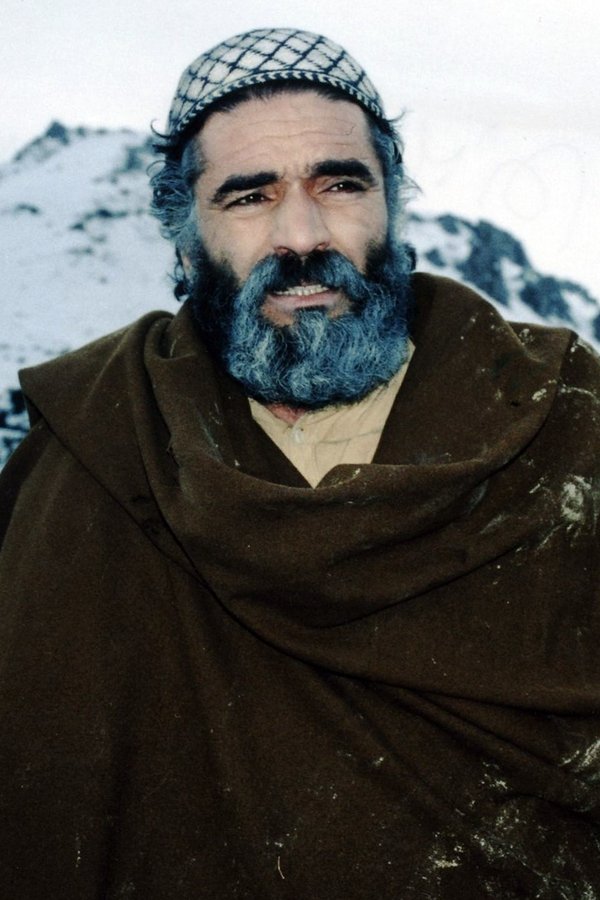
This film retraces the combat journey of Krim Belkacem, one of the leading figures of the Algerian War. When he left the Dellys barracks in October 1945, the day after the Second World War, Krim Belkacem was 23 years old. He is a man revolted by the May massacres in Sétif, Guelma, Kherrata and several other localities in the ravaged country. But it is also and above all a young Algerian who questions the future of Algeria. On March 21, 1947, Krim at the age of 25, he dug up his "Sten" submachine gun, he took action against the boss of his douar who was none other than his cousin. He goes into hiding with six companions. He meshes this entire part of Algeria with a dense and dense network with the sole objective of taking action which will lead to the outbreak of the armed struggle on November 1, 1954.
We can criticize depictions from old media, but they weren’t simply “good for their time”. They were fighting and struggling in a world we can’t imagine.
Not every silence is empty. Some are filled with things too heavy for words.
In addition to the cast being delightfully diverse this time around, the film was just loosely-plotted and action-packed enough to keep a casual fan like myself entertained. While I do agree that the writing of Cole left much to be desired for an original character thrust into a preconceived universe, none of the characters seemed particularly fleshed out in terms of personality; however, I think that's to be expected when you're watching a film literally inspired by a video game.
"Be good. It doesn’t mean you can’t be tough. It doesn’t mean you always have to be nice. Just be good."
This showcase of Hollywood’s finest talent will certainly be around come awards season, and much deserved
Why is 'The Green Knight' so white? People of color are so removed from the origins of 13th century art. We’re looking toward the future, and part of that should be updating aspects of our stories to mirror those evolutions.