




Director Anne-Sophie Bine Talks ‘Dog Lover’ and Inception of Film Career
I was able to sit down and talk with the director of the short film Dog Lover Anne-Sophie Bine as she discussed and how she came to be in film.
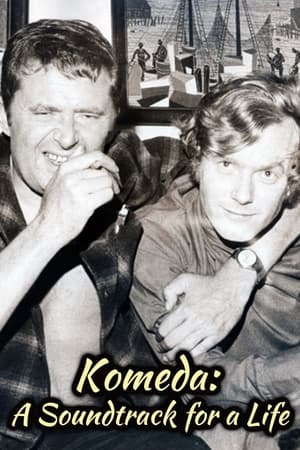


Krzysztof Komeda was a jazz pianist and film composer. With compositions like the lullaby for Rosemary's Baby (1968) by Roman Polanski, Komeda succeeded in writing his own chapter in the history of soundtracks. This documentary follows the life story of the composer by the means of his melodic sounds. It is a reflection on his soundtracks, which changed the common film scores forever. It is a contemporary document about the attitude to life in a time of social, political and cultural change after war, about work and exodus of Polish artists in the 50s and 60s. A story about how film music is created and how it affects people. Directors who worked with Komeda and who are also friends talk about him: Roman Polanski, Jerzy Skolimowski, Henning Carlsen and Andrzej Wajda. His wife, Zofia Komeda, and his sister, Irena Orlowska, recollect him.
I was able to sit down and talk with the director of the short film Dog Lover Anne-Sophie Bine as she discussed and how she came to be in film.
The original Mothra is a fun monster movie that has way stronger lore, music, and special effects than most of its contemporaries.
The film didn’t have to be as long as it is. It just dragged on and on with scenes that had no substance. Every so often we get an action scene, and even those isn’t that fun.
In order to learn why an arguably outdated fanfic trope was resurfacing in the contact zone of popular culture, I dove into a vibrant trough of character development.
'Ms. Davis’ Close Friend' will make you think about the meaning of death and what it means to be alive, and if there’s really a race to be run with one's inevitable demise.