

Dead Poets Society Steals a Queer Story
Dead Poets Society relies on patriarchal tropes such as overbearing fathers, contrived brotherhood, and faux-individuality in order to portray its straight white male characters as oppressed.
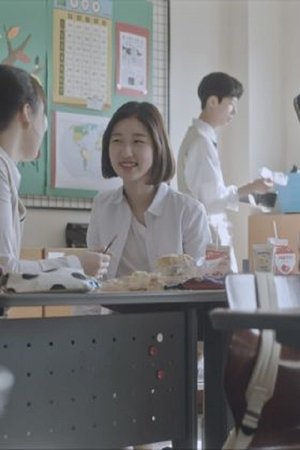


Kyung-hye is having a minor friction with her daughter Ye-shin, who is going through puberty every day by day. Moreover, both Ye-shin and Kyung-hye are on edge because Ye-shin seems to have a boyfriend. But one day, Kyung-hye sees Ye-shin and her best friend Su-jeong kissing in front of her house.
Dead Poets Society relies on patriarchal tropes such as overbearing fathers, contrived brotherhood, and faux-individuality in order to portray its straight white male characters as oppressed.
Avatar: The Last Airbender's success fifteen years after its premiere proves the enduring power of its storytelling. But it's more than just a quality show.
Gretel & Hansel falters due to its razor thin story and lack of characterization. It loses sight of horror’s key rule: In order to create an effective tale, characters and emotions must be emphasized.
There were too many irrelevant parts that could have been shortened, and too many characters that didn't advance the plot. Either way, some things didn't add up. This was just another played out plot with little, if any, originality in it. By the end of the film, I wasn't happy that she finally got her freedom, I was happy that it was finally over.
The movie is centered around the title character who goes on a Christmas adventure.
True crime media is notoriously obsessed with the “missing white woman” trope, and yet the vast majority of American murder victims are male, and well over half are people of color.