



'One Missed Call': When an Onryō Goes Digital
In a world where we hear ringers and beepers at every corner, technology feels inescapable. This is why technology is often an enemy in Digital J-horrors, like One Missed Call.
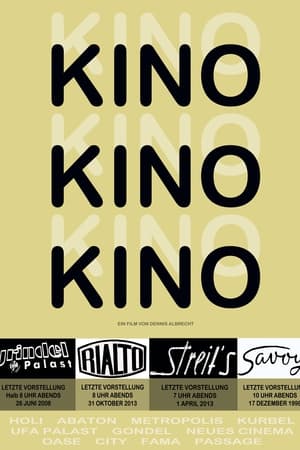


What was cinema in the past? What is cinema today? Hamburg filmmaker Dennis Albrecht asked himself these questions as he sifted through material he had been collecting since a project idea in 2008. Since then, he has repeatedly taken cameras into cinemas that no longer exist. He shot commercials, short films or events at the Grindel-Kino, Streit's, Rialto and Savoy and many other Hamburg movie theaters. In these personal perspectives, we see many cultural places that have disappeared.
In a world where we hear ringers and beepers at every corner, technology feels inescapable. This is why technology is often an enemy in Digital J-horrors, like One Missed Call.
The “gay best friend”, an age-old trope, has been done in countless films and television series. Ranging from one-note (Sex and the City's Stanford and Mario) to nuanced (Unbreakable Kimmy Schmidt's Tituss), the gay best friend exists to support and advise the main protagonist, with their conflicts swept to the side.
If Miguel Alexandre were trying to make a revenge story seem dull without using all the effective formulas that work great in this catchy genre, he could not have accomplished his purpose much better than he unintentionally has in Black Island.
Remakes. Reboots. Reinventions. Redundancy. It's the common practice in Hollywood of late, sometimes offering us victorious reimagining of what can be considered cinematic classics while also, more often, falling flat on their UN-imaginative faces in utter defeat and lackluster results. Admittedly, with this in mind, I went into the newest incarnation of "The War of the Roses" with typical trepidation and cautious optimism.
We sat down with Writer/Director Albert Acosta to discuss his debut short film, (ha-ha), Acosta's foray into narrative cinema, and how his personal experiences have shaped his filmmaking philosophy.
Ricky Staub’s Concrete Cowboy, based on Greg Neri’s novel "Ghetto Cowboy", tells the story of a young teenager forced to adapt to a new lifestyle.