




Writing Great Villains: Why They Shouldn't Be Sympathetic
Writing great villains is about striking a balance between charming and evil, so we love them but also love to see them lose.
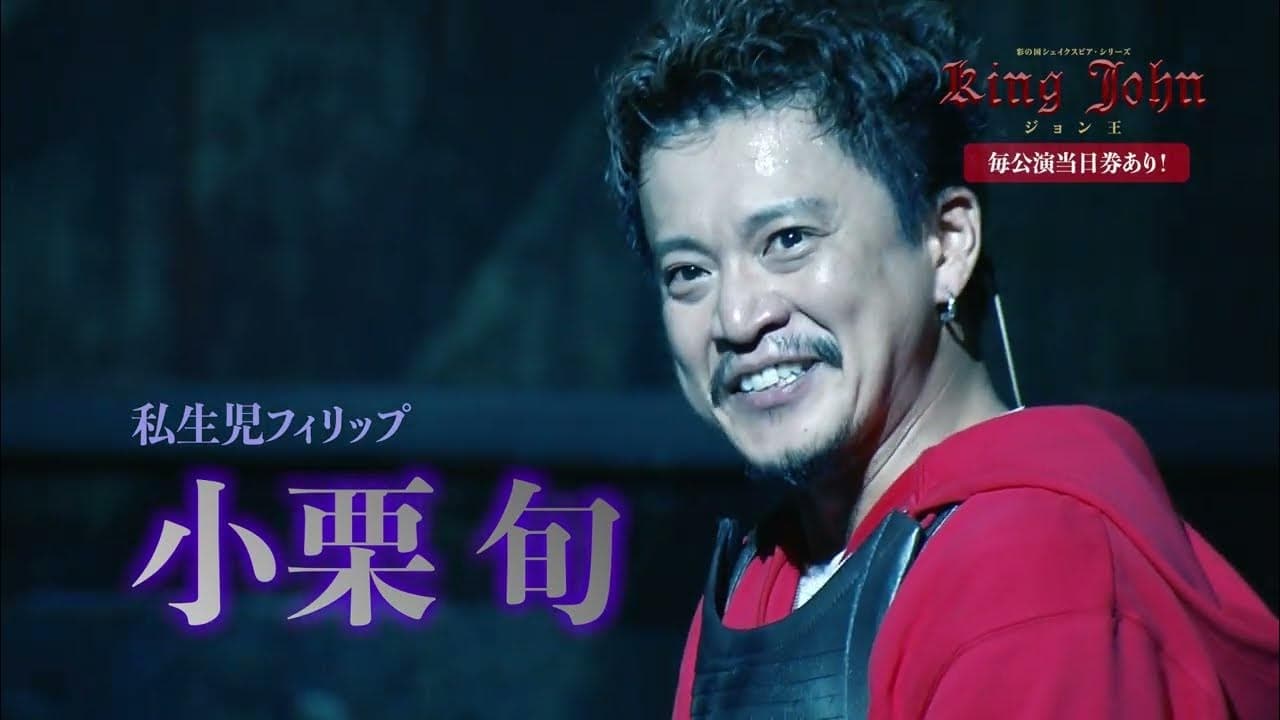
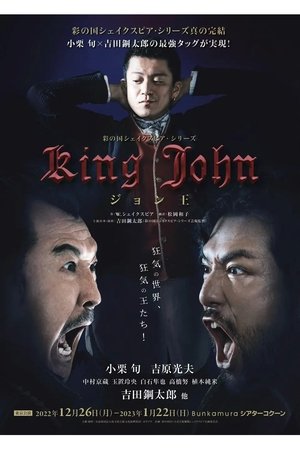


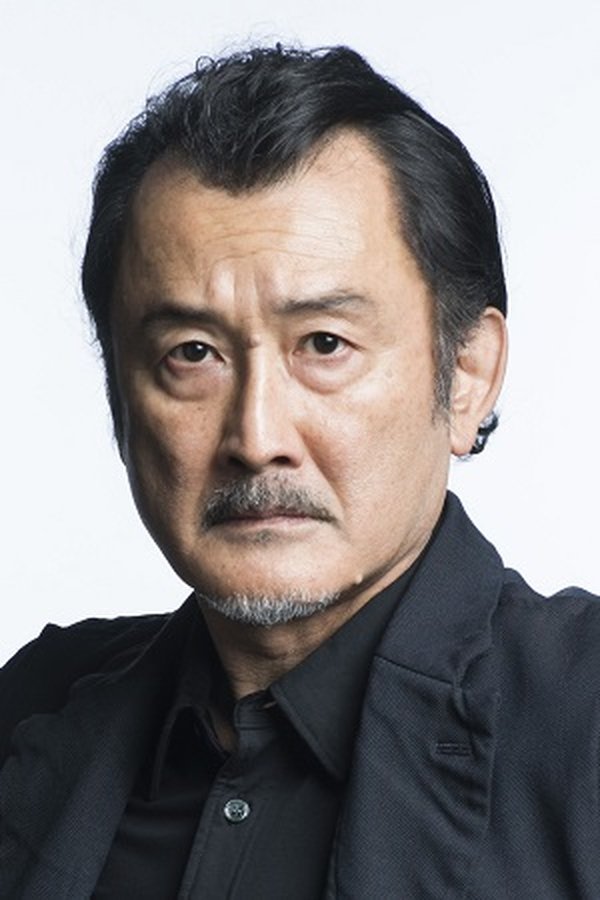
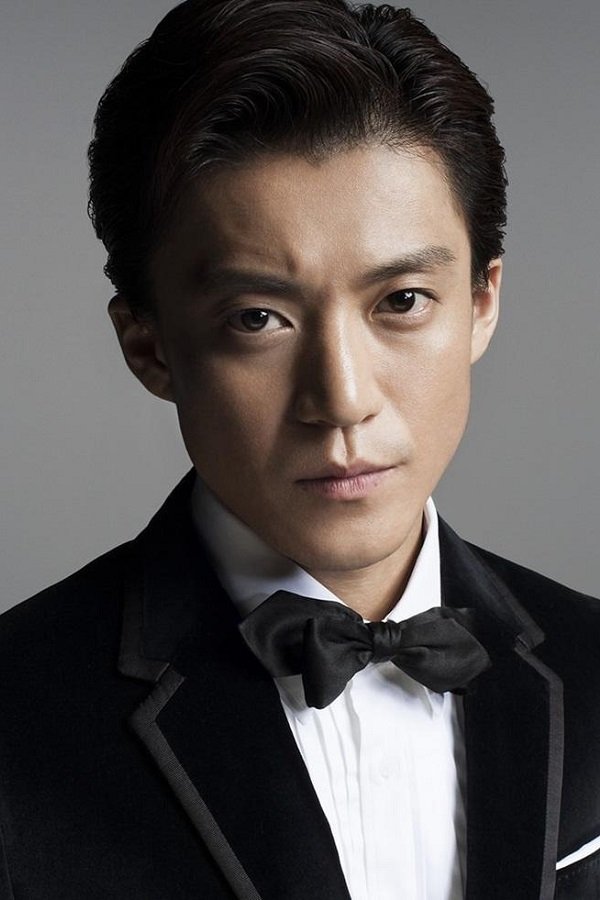
The Saitama Shakespeare Series concludes with “King John,” featuring Shun Oguri and Kotaro Yoshida. Originally starting in 1998 under Yukio Ninagawa, the series aimed to perform all 37 of Shakespeare’s plays. “King John,” initially the 36th play, was canceled due to COVID-19 but revived in December 2022, with performances in Tokyo, Aichi, and Osaka, ending on February 24 in Saitama. Shun Oguri starred as the young “bastard,” while Yoshida played the King of France in Tokyo and King John in Aichi, Osaka, and Saitama. The production maintained the “all-male” tradition, with male actors portraying all roles. This historical drama, depicting madness and war, marks the series’ 25-year conclusion.
Writing great villains is about striking a balance between charming and evil, so we love them but also love to see them lose.
The Noel Diary is about a man who unlocks an old diary containing secrets of the past.
The differences in these films could not be more blatant, and yet Gus Van Sant has found a way to portray the same messages and use the same techniques in each.
Monster's plot is built around Steve Harmon's false accessory to felony murder accusation, and the anxiety and desperation experienced by him during incarceration and the corresponding trial.
'Playing with Fire' was clearly a film made for a kid or tween-ish audience. Keeping that in mind, I thought 'Playing with Fire' was alright, though it did portray some harmful stereotypes.
I think that the happiness and survival of "Wynonna Earp"’s LGBTQ+ characters is incredibly refreshing in contrast to the prevalence of queer suffering and death in other television.