






Ad Astra: Cinematic Hypnotism
“Ad Astra” is a film that possesses similar beats to sci-fi classics, falling into the realm of cinematic hypnotism, and pulling us in with its mysteriously intoxicating identity.
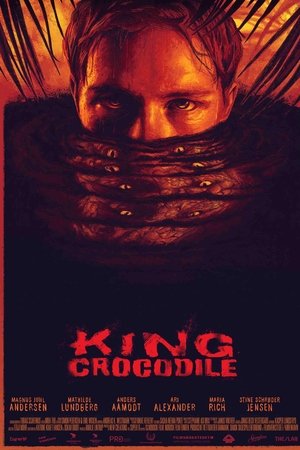


In the tropical heat of Dilleland, the outsider Kenneth struggles to fit in with his colleagues and impress the cute employee Sofie. The thick-skinned crocodiles seem easier to deal with than the people around him. Kenneth's lack of understanding boundaries and his alcoholic mother, who drifts in and out of his life, hold him back. Gradually, he loses more and more of himself. Things finally reach a breaking point at a staff party, where Kenneth's cold-blooded side emerges.
“Ad Astra” is a film that possesses similar beats to sci-fi classics, falling into the realm of cinematic hypnotism, and pulling us in with its mysteriously intoxicating identity.
It’s easy to dismiss Joel and Ethan Coen for writing from the world they build from outside the box of overarching Hollywood stereotypes, but their inability to compromise their collective vision is precisely what makes the simplistic nature of their world-building and characters so brilliant. It’s also what led Fargo to collect seven Oscar nominations and two wins for Best Original Screenplay and Best Actress for Frances McDormand’s brilliant portrayal of the sincere, motherly detective whose wholesome demeanor seizes the day over the selfishness, corruption and evil of the men who don’t comprehend that there’s more to life than a little money.
Dead Poets Society brilliantly combines defeat and optimism, rejection and love, craziness and daring, fear and freedom.
After years of silence, trauma, and backlash, Rose McGowan tells her own story in this miniseries.
How closely should film adaptations follow their source material? Let's take a deep dive into "Norma Rae", and find out.