








"Godzilla vs. Kong" is pure, stupid fun
"Godzilla vs. Kong" is all style and very little substance. It's also the most fun I've had in months.
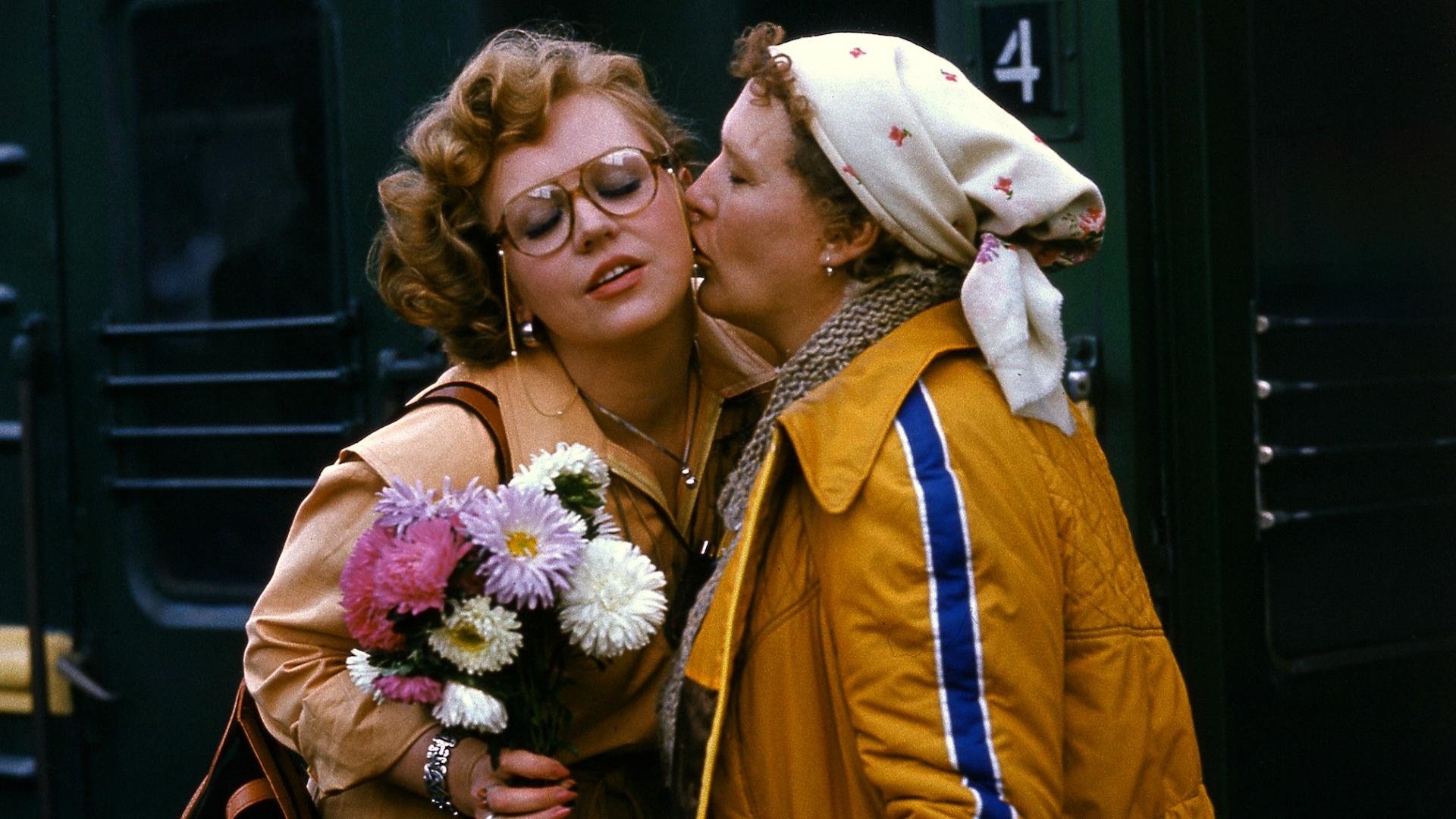



The story follows Maria Konovalova who travels from her rural village to visit her daughter Nina in the city. Maria's arrival exposes the stark contrasts between rural and urban lifestyles and reveals deep-seated family tensions. Interestingly, Родня (Rodnya) in Russian sounds very similar to the word Родина (Rodina), which means "Motherland." The film features three generations of women — Maria, her daughter Nina, and her granddaughter Irina — symbolizing three different Russias: one from the past, one modern, and one representing the future.
"Godzilla vs. Kong" is all style and very little substance. It's also the most fun I've had in months.
The Lighthouse is patient and hypnotic, pulling us in with its mysterious atmosphere and characters. The film’s slow pace proves to be monumentally effective, showcasing the tedious nature that comes with isolation and poor two-way communication.
The new Scooby Doo movie that will give viewers the frightening adventure of their lives.
The Force Awakens is A New Hope 2.0, in essence. The story structure is virtually unchanged, marking a safe opening to the new trilogy.
Like all modern societal phenomenons, it started with a meme. This one highlighted that when there’s a mom in a Pixar film, she is almost without fail given striking curves that highlight the bottom half of her body following a minuscule waist. From Elastigirl to the skeletal Mama Imelda, the animation giant’s artists seem to have a fixation on making exaggeratedly curvy maternal characters.