

Incluvie Film Fest 3rd Place Winner: ‘Warmth’ Review
This film is a splendid mix of mediums, but its strength lies in its simplicity and beautiful message of closeness.
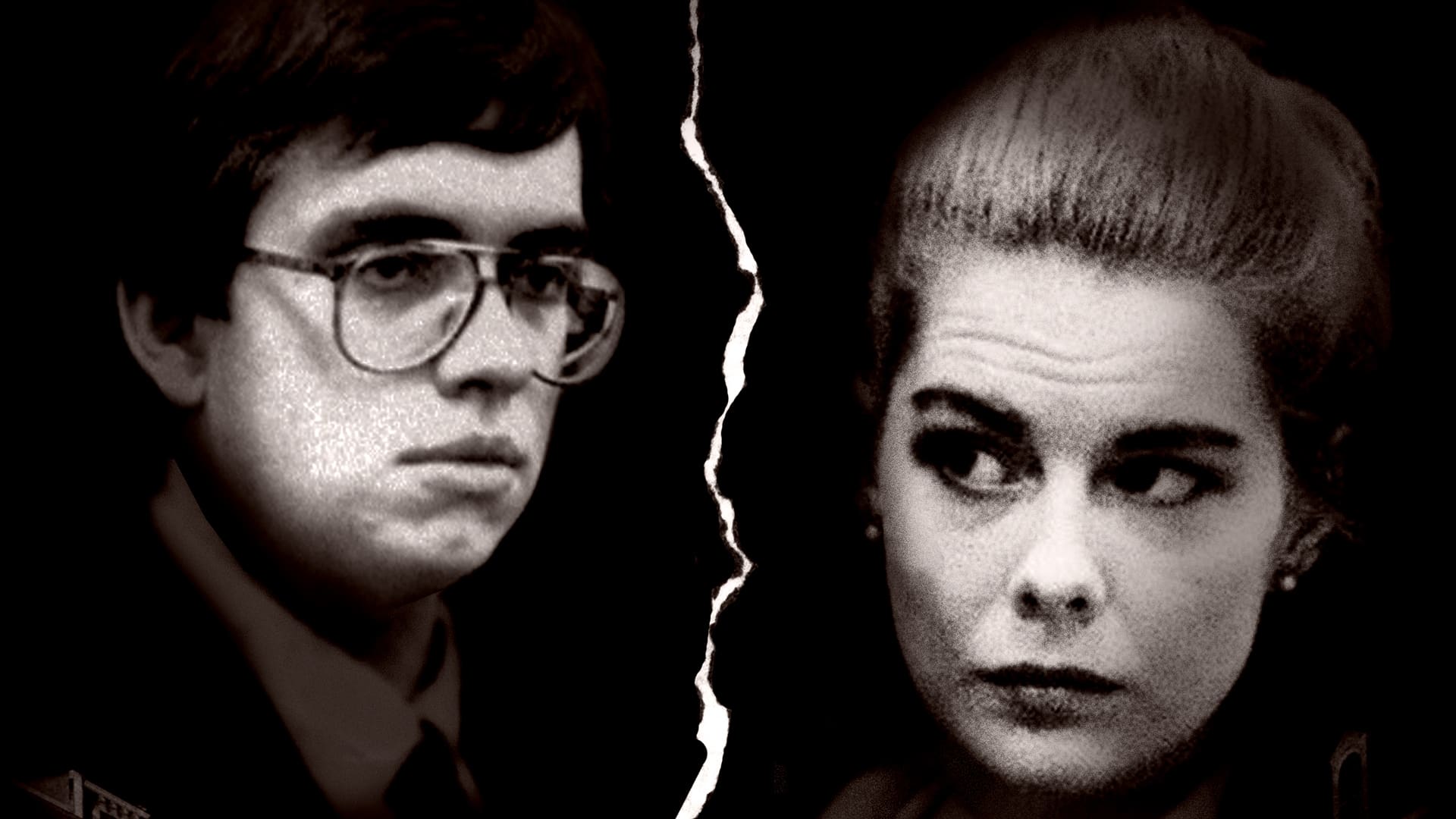



Derek and Nancy Haysom were brutally murdered in their house in Lynchburg, Virginia, on March 30, 1985. Suspicion fell on their daughter Elizabeth and her boyfriend Jens Söring. They flee to Europe, but are caught and extradited to the U.S. Elizabeth is sentenced to 90 years in jail for incitement to murder, Jens Söring to two life sentences. Karin Steinberger, Marcus Vetter and their team spent over three years researching this case, which achieved world-wide notoriety. They uncovered new evidence, including the fact none of the blood samples found at the scene of the crime belonged to Jens Söring.
This film is a splendid mix of mediums, but its strength lies in its simplicity and beautiful message of closeness.
The social issues The Half of it takes on are handled well, between the antagonization brought on to Ellie for her race and the conflict that arises from her being gay. Both aspects of her character are built up over the course of the film and don’t seem abrupt or rushed. The film shows racism towards Ellie and her and father in varying levels, from having her schoolmates specifically address her as "Chinese girl” to the fore mentioned way her Dad is treated due to language barriers. The same can be said about Ellie being a lesbian. While she never truly “comes out” in the narrative, that does not undermine her journey of self-discovery from being meaningful. These ideas aren’t thrust upon the viewer in a preachy manor, the scenarios that occur feel believable given the rural setting. The film presents watchers with problems whom those like Ellie may face, and leaves us to sit with them and reflect.
The idea of Rosemary's baby but with lesbian partners drew me in, and I was anticipating what the film had in store with its reimagining. Unfortunately, it all felt a little too vague to leave an impact.
Guillermo del Toro highlights a touch of innocence in the Gothic classic. The journey of Victor Frankenstein defying death gained inspiration from the Eastern energy system that is named ‘Qi’ and the lymphatic system being studied by Muslim scholars.
Sailor Moon Crystal wisely makes the decision to adapt Season 4's Dream Arc into an epic anime movie where the Sailor Guardians shine brightest.
After the 2018 surprising hit "A Quiet Place" brought something fresh to the horror genre, the announcement of a sequel may have been disappointing to some. A lot of the time, a sequel to an already successful movie is no where near as good as the original. Yet, John Krasinski once again shows that he's much more than Jim from The Office.