

WW84: The World’s Strongest Female Lead
The power of a talented female director like Patty Jenkins and an overall diverse cast is what makes this film worth watching for me.
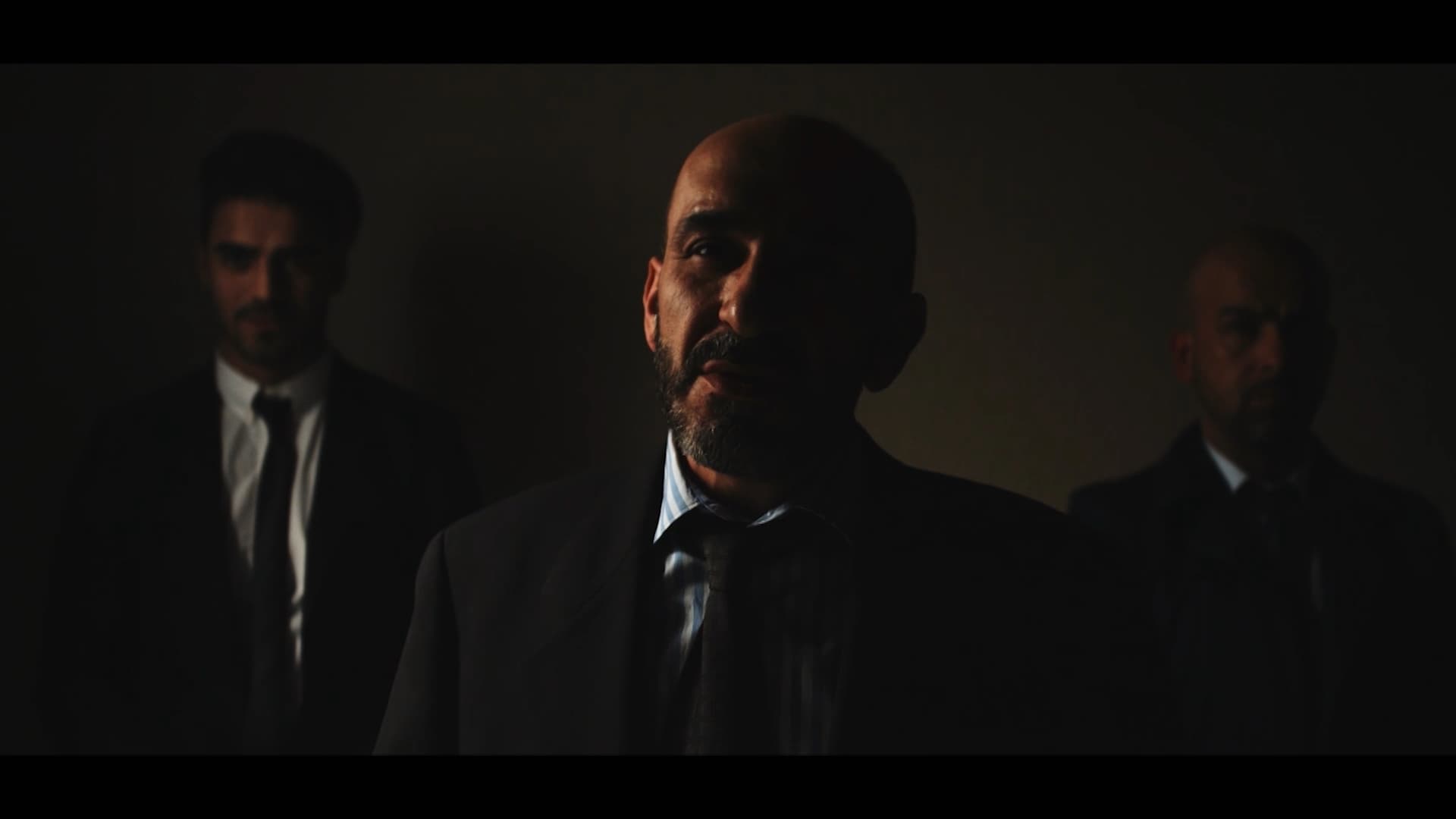



The only dream of poor instrumentalists Kiki and Miki, who live in a village in Bulgaria, is to release a record and become famous. In order to market the duo waiting for a visa to Belgium and make money, Bayram, the cunning of the village, arranges Şehmuz, the record producer he knows in Belgium. After learning about the arrival of Kiki and Miki, our city sees them as a source of money and seeks to commit all kinds of scams. When Kiki and Miki arrive, Şehmuz's secretary misunderstands the time and the two get in the wrong taxi and knock on the door of a completely different man they think is Şehmuz. Meanwhile, a commissioner named Sabit is in the city trying to find a famous painting that Minister Kemal stole. Minister Kemal wants to remove the painting from his hands due to the tense events, the delivery of the painting will be made by the courier Neco. Neco is the guy that Kiki and Miki went to...
The power of a talented female director like Patty Jenkins and an overall diverse cast is what makes this film worth watching for me.
This groundbreaking summer blockbuster proves that diversity enhances the action genre.
'Sex Education' is one of the most diverse shows I've ever seen! From sexuality to gender identity to race, this show features so many minorities and so many different kinds of relationships!
The film does not add anything to its own conversation or genre, and falls flat once it’s about to end and must declare some sort of conclusion.
Han's turn to villainy in 'Frozen' was foreshadowed cleverly in the story.
People are so much deeper and far more extraordinary than what gender they were assigned at birth.