
2022 Academy Awards - Incluvie Selections
The Incluvie predictions for various categories in the upcoming 2022 Academy Awards nominees. Best Picture, Actor in a Leading Role, Actress in a Leading Role, Animated Feature Film, Directing, Documentary.

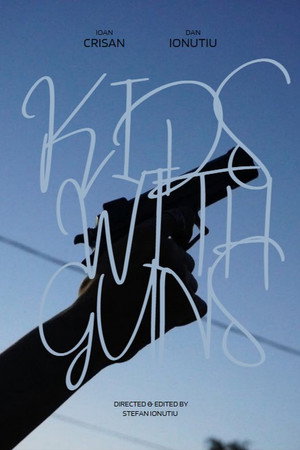


Two friends become increasingly consumed by social media feeds filled with stories and images of gun violence. As they scroll endlessly, the line between online spectacle and real life begins to blur. Disturbed by the macabre nature of the world they witness through their screens, they develop an unsettling fascination that pushes them toward a dangerous desire.
The Incluvie predictions for various categories in the upcoming 2022 Academy Awards nominees. Best Picture, Actor in a Leading Role, Actress in a Leading Role, Animated Feature Film, Directing, Documentary.
2025 has just about wrapped, so we’re taking this time to celebrate the most inclusive films that came out this year. Graded on Gender, Race, LGBTQ, Disability, and more
An analysis on how the Garfield movie fails to represent the characters it is adapting, especially the women, by removing their best characteristics.
Disney’s Hunchback of Notre Dame is a unique film coming from the same studio that brought us The Little Mermaid and Aladdin. While it does have its silly moments to maintain Disney’s family-friendliness, it also carries themes that stick to audiences years after its release.
Hitchcock is no stranger to innuendo, as was common in that era, but there was something so sophisticated about his approach to 'Rope', and it starts in the first frame.
Bigg County Restorations is a zany new pilot from comedians Joe Bell and Mikaela Watkins. In a spot-on parody of History Channel shows like American Restoration and Pawn Stars, Paul Bigg (John Jezior) works to restore kitschy decor for celebrities while his good-for-nothing adult children, Britney (Mikaela Watkins) and Junior (Joe Bell) go on wacky adventures while slacking off on the menial tasks they’ve been assigned. In the pilot, Britney and Mikaela’s day goes off the rails pretty fast.