


The Suicide Squad—An Overlooked and Underrated "Sequel"
Since Season 2 of Peacemaker is currently airing, let’s revisit the movie that started it all.
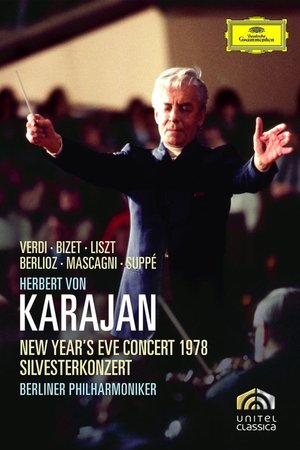


Karajan had been appointed music director for life of the Berlin Philharmonic in 1955, and soon the orchestra mastered the entire palette of Karajan's subtly defined phrasings, moods and orchestral colors. At home in the majesty of Bruckner or the raw power of Beethoven, the orchestra was also able to "let go" with Suppé or a Lisztian Hungarian Rhapsody, as the recording illustrates. For the 1978 New Year's Eve concert with the Berlin Philharmonic, Karajan put together a program of exclusively popular classical works, pieces that would guarantee a bubbly good time. Following Verdi's Overture to "La forza del destino" are the two major works of the program, Bizet's Arlésienne Suite No. 2 and Liszt's Hungarian Rhapsody No. 2. The Hungarian March, or "Rákóczy March," from Berlioz's "La damnation de Faust" never fails to rouse listeners with its instrumentation. The program closes with the Intermezzo from Mascagni's "L'amico Fritz" and the popular Overture to "Leichte Kavallerie" by Suppé.
Since Season 2 of Peacemaker is currently airing, let’s revisit the movie that started it all.
'Airplane Mode' is a young adult movie that is about a woman who learns to step away from her smartphone, and from social media.
Mean Girls not only centers around what goes on in high school, but also shows viewers and fans the diversity among people, especially teenagers, within today's society.
Shortly after season two of Fleabag dropped on Amazon Prime in 2019, Barack Obama put it on his list as one of his favorite television series of the year.
Looking for some Afro-centric entertainment? Check out these movies and immerse yourself in Black culture.