

Joyfully Chaotic, 'Why Don't You Play in Hell?' is a Must-See
If you enjoy Japanese cinema, absurdly violent action films, gangster flicks, or joyfully strange cinema, 'Why Don’t You Play in Hell?' is a must-see.
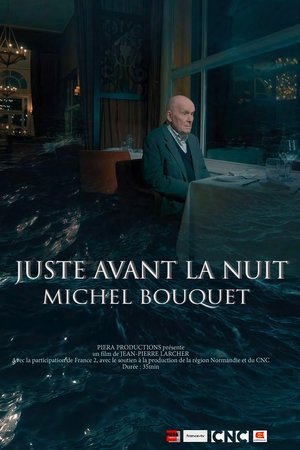


To the rhythm of the tides, isolated in a hotel facing the sea, Michel Bouquet sees the works and thoughts of the greatest theater and cinema authors of the 20th century resurface. These are the people who have marked his life and shaped his thinking. Reality has faded away for him; only fiction matters now. During these days facing the sea, he will reveal to us the truths of an extraordinary actor who was the reference point for the great authors of the Theater of the Absurd, Pinter, Ionesco, Strindberg, Camus... During these nights of shipwreck, it is the twilight of his thinking that he conjures up.
If you enjoy Japanese cinema, absurdly violent action films, gangster flicks, or joyfully strange cinema, 'Why Don’t You Play in Hell?' is a must-see.
A refreshing twist is that all the kids’ powers are…kind of useless. There’s a kid who can only move in slow motion, a kid who has every power in the world but can only use them randomly, and our main character Missy who has no powers at all. The thesis of the film seems to be that it doesn’t matter what kind of powers you have, its the way you use them, which is good for the warm and fuzzies.
'Sex Education' is one of the most diverse shows I've ever seen! From sexuality to gender identity to race, this show features so many minorities and so many different kinds of relationships!
Dune has stunning visuals, a striking soundtrack, and great performances. But it has issues everywhere from its pacing, to its story, to its diverse representation.
The shattering of what we strive to maintain as reality. It is certainly truthful to state that most, if not all, of us have experienced moments of genuine mental stress. Regardless of what might be the cause, the sheer unsettledness, the pressure that weighs upon us is a tangible force that CAN seem insurmountable. However, more often than not, this is only a temporary , one we can come through and simply move on from.
In 'Maestro,' we're left with an impression but not with an understanding of the main character.