



"A man has got to see his face." Horror Noire: A History of Black Horror
This documentary moves chronologically through Black representation in horror films, revealing the genre's connections to Black history.

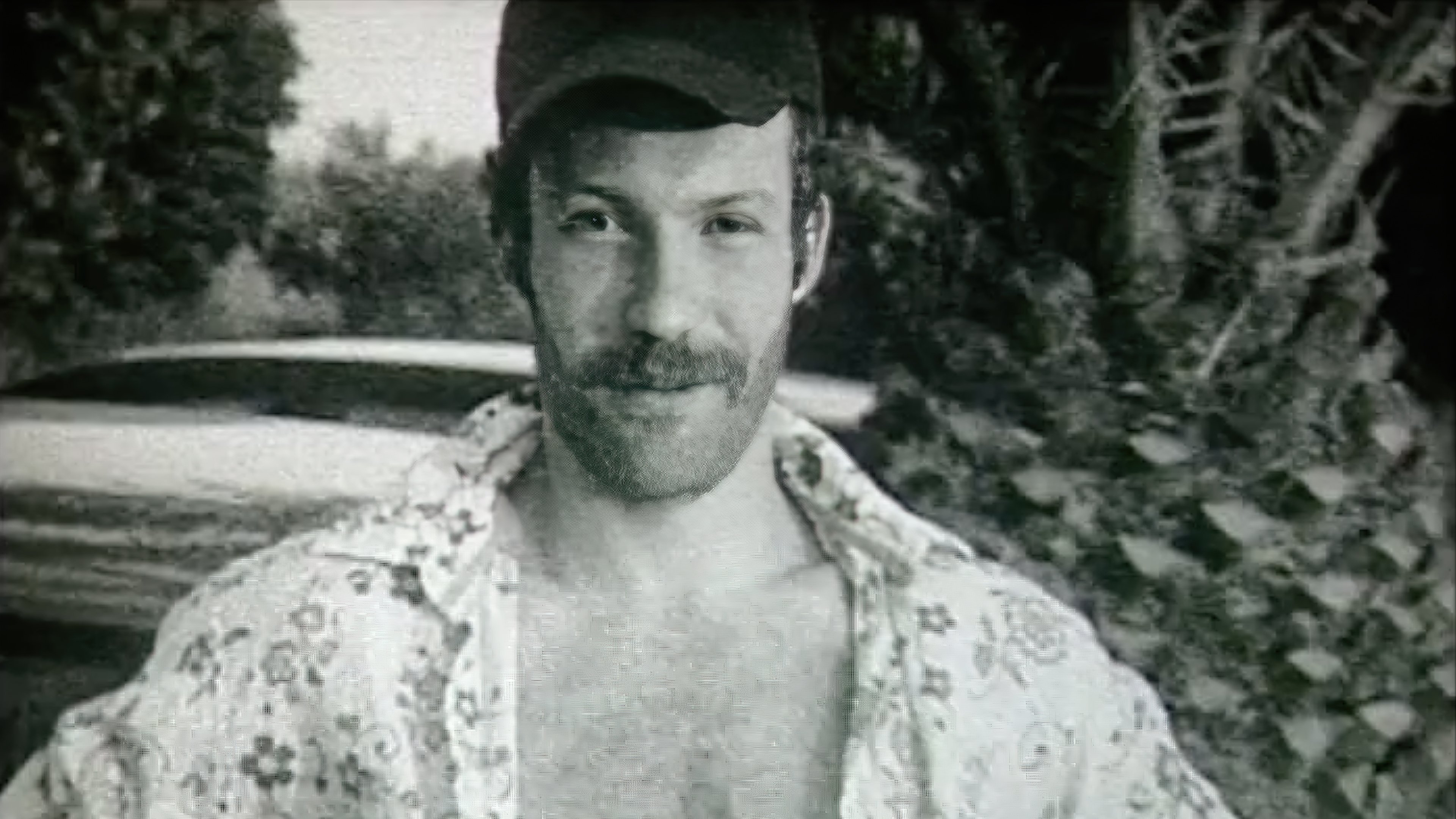
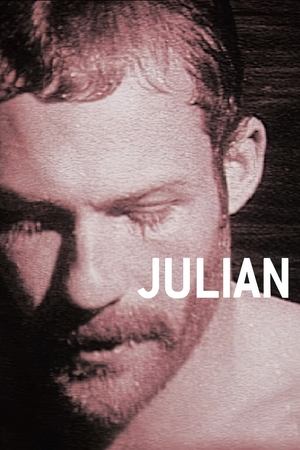
Julian is an experimental biographical piece about two men – Julian and Antonio – who disconnected themselves from the anxious city, and allowed their spirits to be taken by nature. It is a slightly voyeuristic love letter about and to Julian – the Swiss man whom the narrator has briefly met in London and, shortly after, invited to a road-trip to Portugal.
This documentary moves chronologically through Black representation in horror films, revealing the genre's connections to Black history.
In 'Maestro,' we're left with an impression but not with an understanding of the main character.
By depicting 4 different stories, Director Sergio Tovar Velarde keeps the focus on the shared humanity and search for love (both self and romantic) of various gay Mexican men.
A brief look at two Barry Jenkins films that have established him as one of the greatest filmmakers of our time.
Overall, Lee Cronin’s The Mummy is plagued by numerous flaws, both from a quality and from a diversity standpoint. The film relies on gore and loud sounds to drown out its flat script, flatter dialogue, and one-dimensional characters.
Desi’s “straight man” to Lucy’s playful exuberance subverted people’s expectations of what a Latino man could be and added respect and nuance to the way onscreen marriages between men and women were portrayed.