




“Street Fighter” is Diverse, But That’s It
Street Fighter cannot be genuinely recommended, even if it is abundantly clear that much effort was expended.
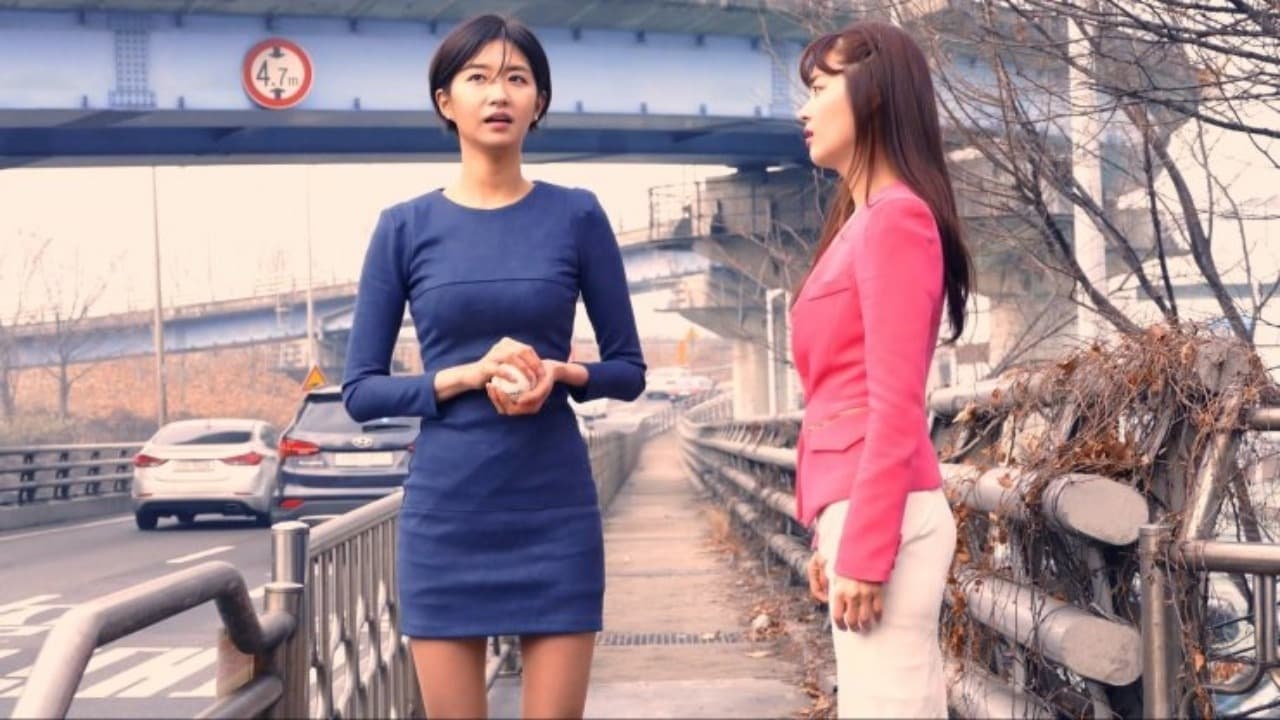



Former sports announcer Ji-hee gets fired from the broadcasting station and starts her own YouTube channel with the dream of getting back on her feet. One day, a wanted killer calls her to interview her. Ji-hee and her friends see this as the chance of a lifetime. They solve the killer’s riddles to get to the promised location, but a sudden attack leaves them unconscious… When they come to, the killer standing in front of them is a friend from Ji-hee’s elementary school, and they begin their twenty questions. The killer corners Ji-hee with truth and lies… Will Ji-hee’s objective of surprising the world with an exclusive interview work?
Street Fighter cannot be genuinely recommended, even if it is abundantly clear that much effort was expended.
In order to learn why an arguably outdated fanfic trope was resurfacing in the contact zone of popular culture, I dove into a vibrant trough of character development.
Hawkeye episode 3 has arrived and it feels like we’re finally getting started! This episode features the debut of Maya Lopez aka Echo, a Deaf Indigenous hero with a prosthetic!
'Riders of Justice' perfectly depicts some masculinity problems present in our society. Moreover, it talks about how hard is to lose someone and how different people deal with the situation.
Sorry to Bother You ultimately speaks to the unfair advantages that the country’s power structures award to those with the resources to control others, as Lift’s easy access to the media allows his opinion to be the only one that matters in the eyes of the unsuspecting and easily impressed public. Moreover, it reveals the extent to which the American Dream has any true validity. It postulates how the promise of success and fulfillment as promoted by the American Dream more often than not leads to the undoing of the individual. Interestingly, in its revealing of the American Dream as merely a facade, Sorry to Bother You wisely questions whether or not anything can really be done to undo a system that has been accepted and in action for centuries.