Pain and Glory: Great for Spain and Story…
The newest Pedro Almodóvar movie, Pain and Glory, focuses on an aging and debilitated filmmaker, Salvador Mallo (played by Antonio Banderas) reflecting on his life in his old age.
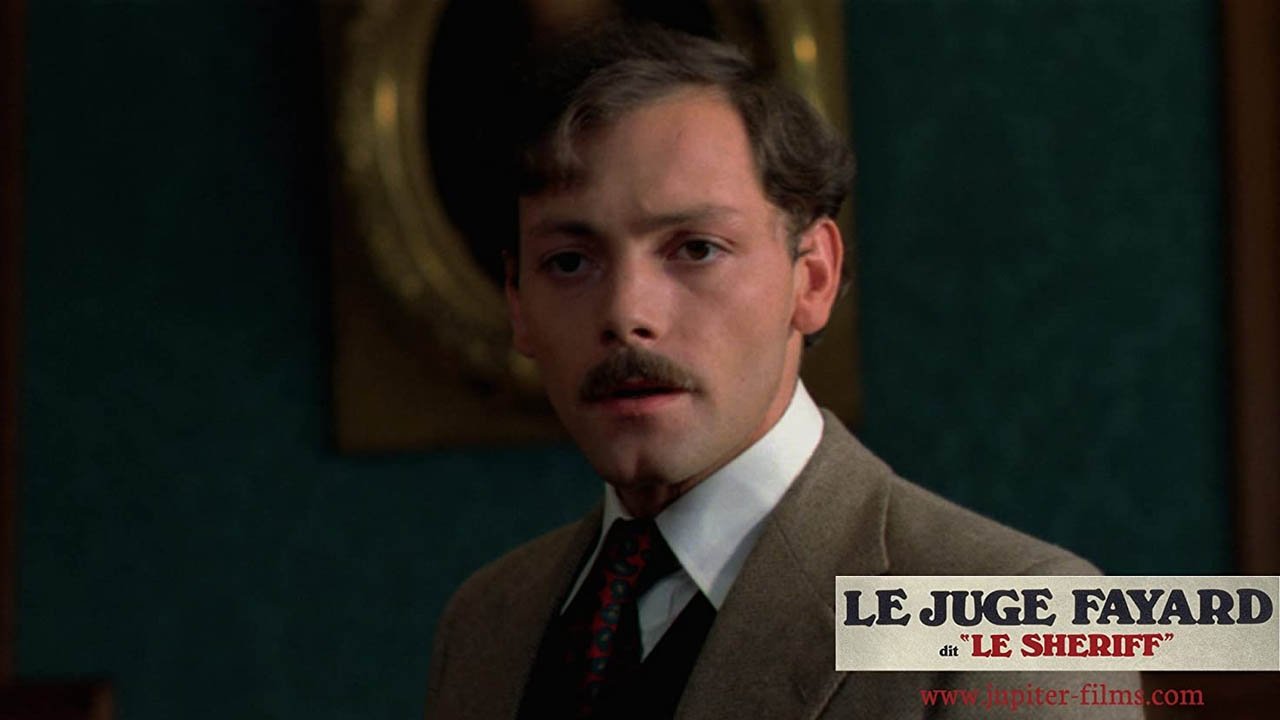
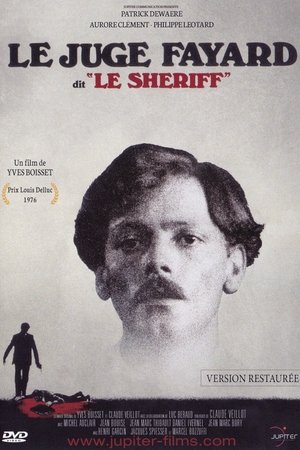


Jean-Marie Fayard is a young examining magistrate in a large provincial french city. He belongs to that generation of judges who are endeavoring to re-adapt the notion of justice to our changing times. His methods are not agreeable to every one. Criticism and pressure are brought to bear upon him but he is aware of his value, professionally, and refuses to make any concessions. He follows an unwavering course. He uses dynamic methods and takes uncustomary initiatives. He behaves like a crusader, a battler, whence the nickname given him by the reporters : the sheriff.
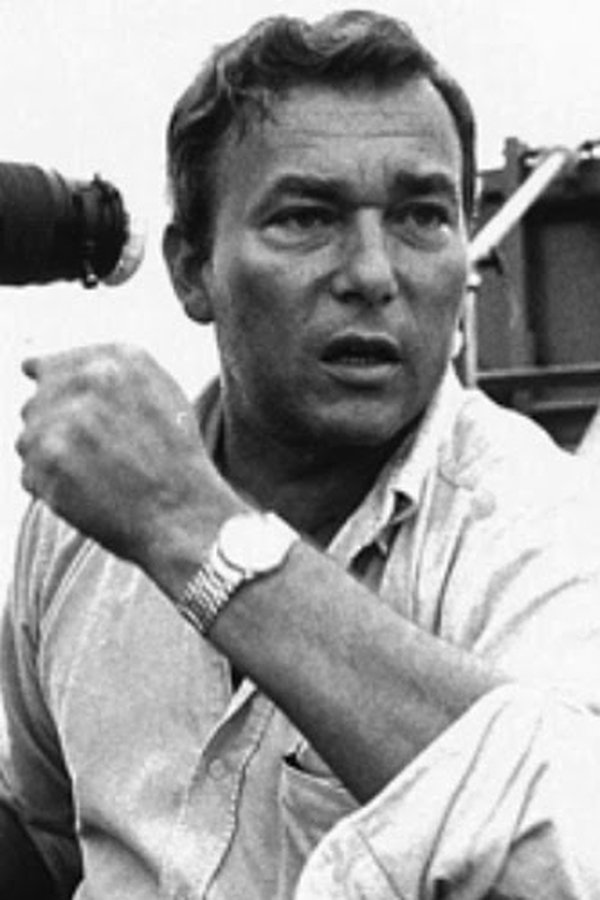
Yves Boisset
Director


Patrick Dewaere
Judge Fayard
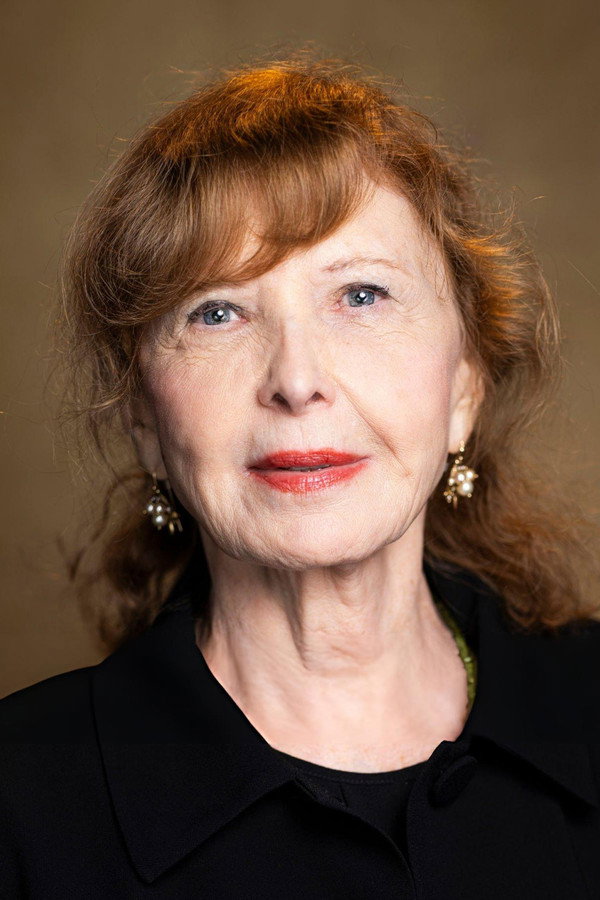
Aurore Clément
Michèle Louvier

Philippe Léotard
Marec
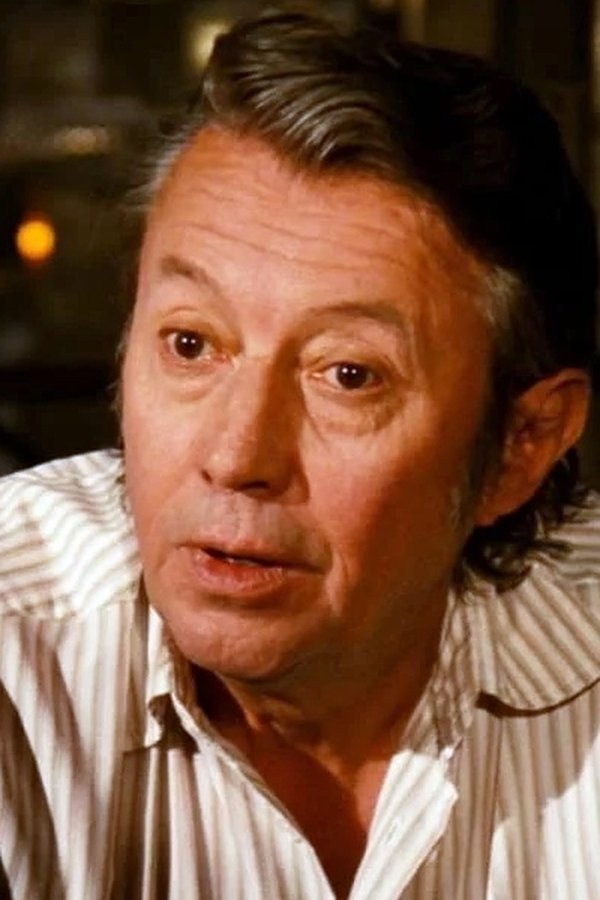
Michel Auclair
Simon Pradal aka 'Le Docteur'
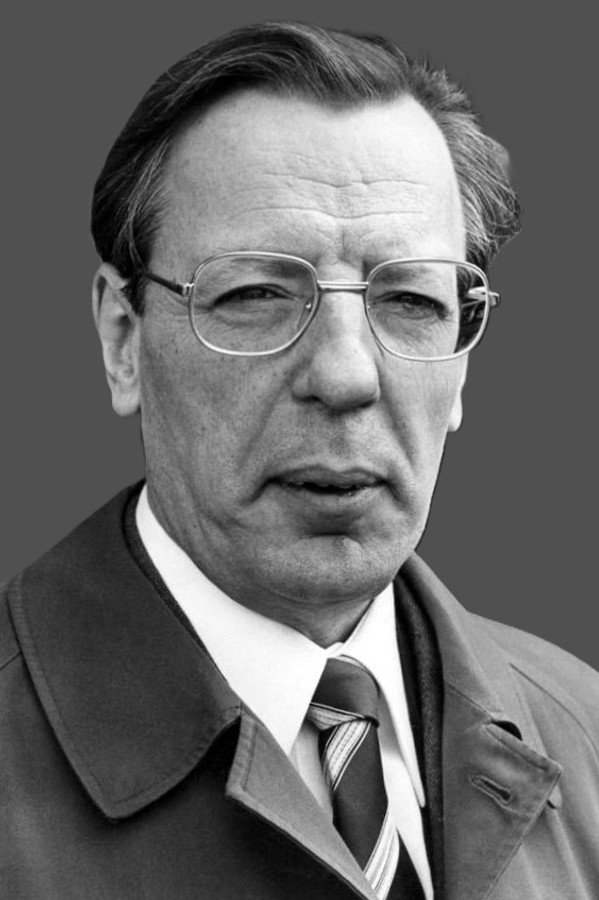
Jean Bouise
Arnould
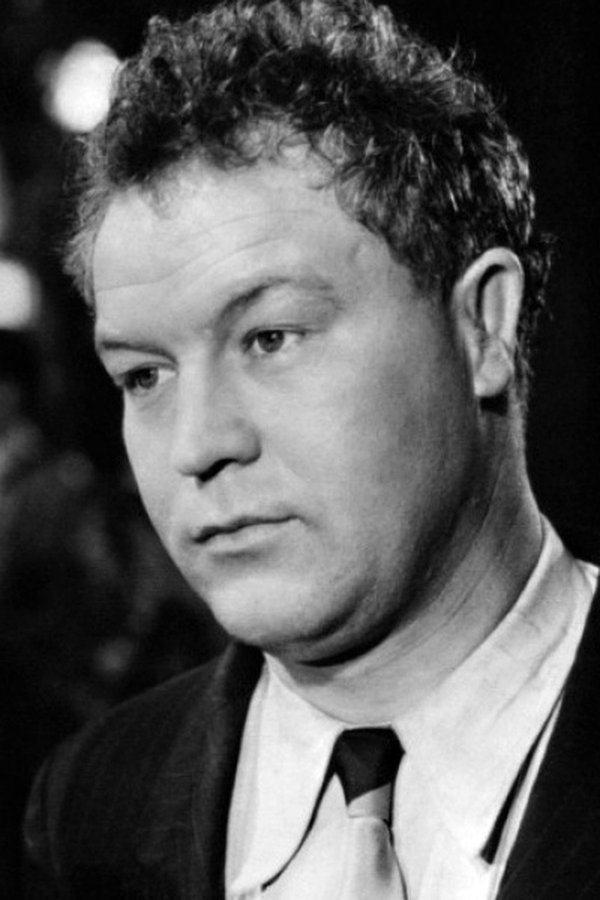
Daniel Ivernel
Marcheron
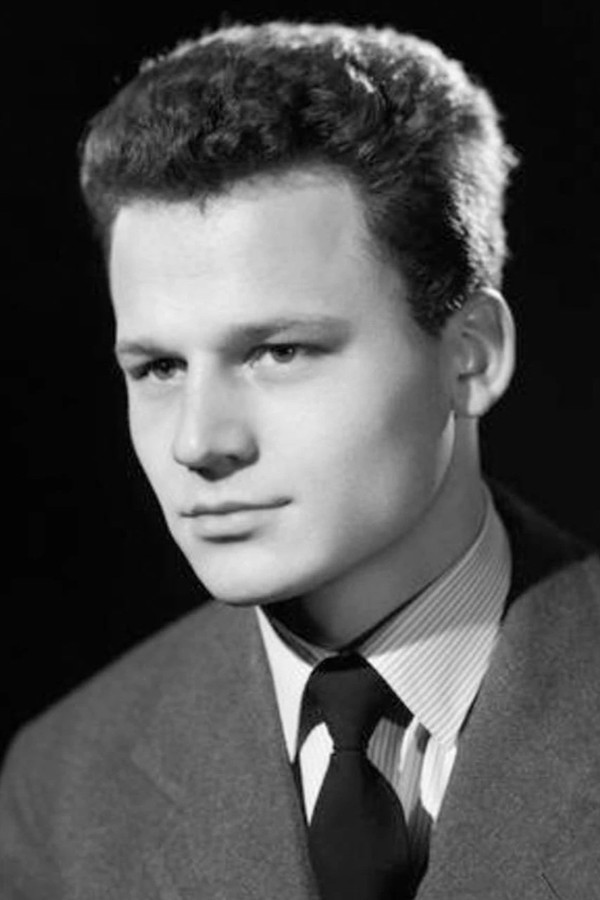
Jean-Marc Bory
Monsieur Paul

Henri Garcin
Picot
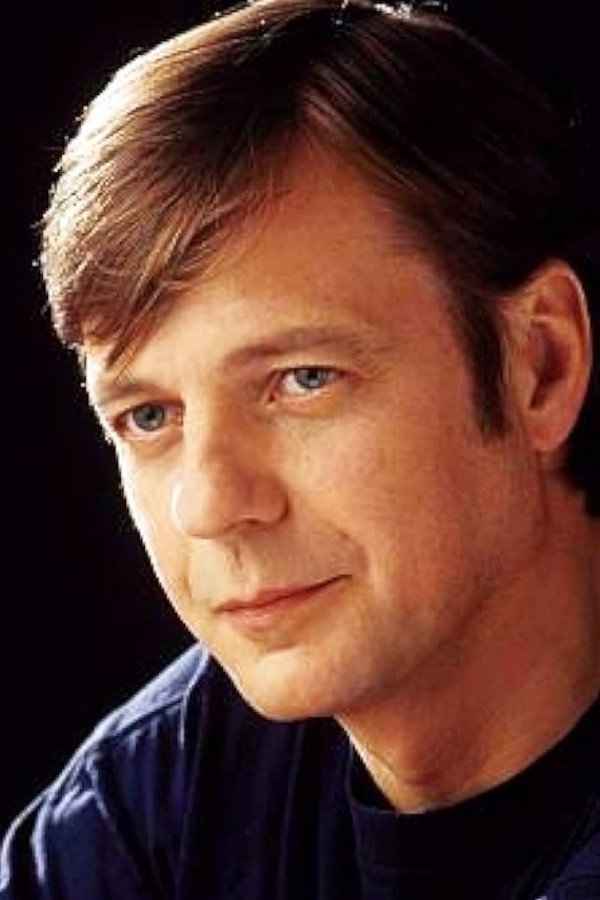
Jacques Spiesser
Jacques Steiner

Marcel Bozzuffi
Joanno aka 'Le Capitaine'
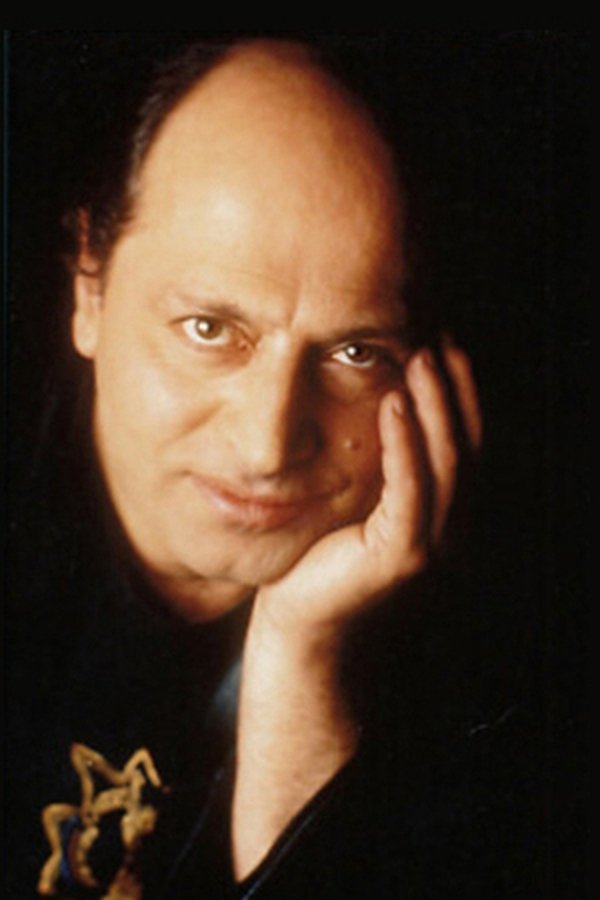
Roland Blanche
Paulo
The newest Pedro Almodóvar movie, Pain and Glory, focuses on an aging and debilitated filmmaker, Salvador Mallo (played by Antonio Banderas) reflecting on his life in his old age.
The Season 3 finale overall upholds everything that Incluvie is primarily concerned about when it comes to media content
Those saying it's a bad movie simply because it's bad as a slasher should be reminded that the likes of Jordan and Alexandra often don’t get their tales told, let alone in such major releases helmed by veteran actors like Bacon.
The plot could’ve really been interesting if the elements of lycanthropy was integrated with perhaps the struggle of identity of being LGBTQ+. It's an experience for so many that as they’re starting to realizing their true selves, they feel like a monster, especially if they come from unsupportive homes or communities. Instead, the horror and transformation elements seem thrown in without contemplation of how this could deepen the narrative.
As many of us know, Marvel Studios has taken an interest in women-led superhero films, but some of us are oblivious to the women behind the camera and pen.
A short film that begins with the language of romance but slowly reveals something far more unsettling beneath the surface.