







Poverty In Black And White
Poor Black characters are usually surrounded by crime and violence, while poor White characters are portrayed as noble and hard-working.

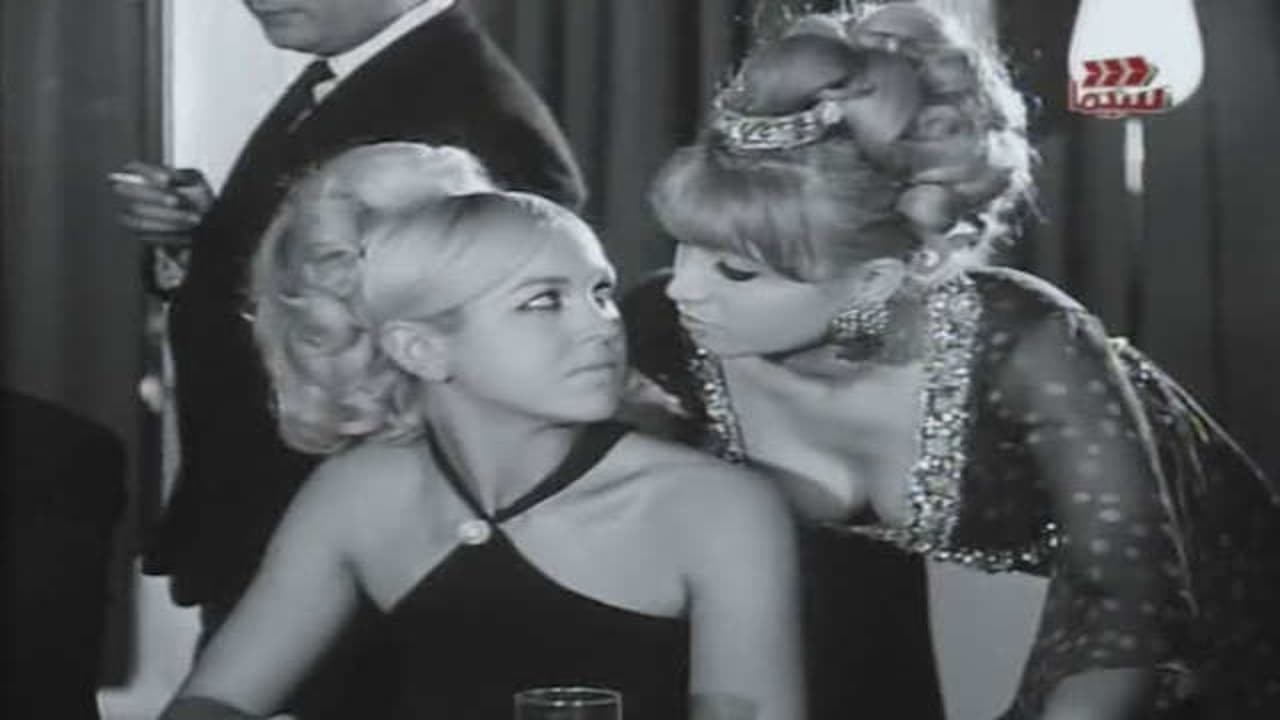
Tawfik is in the midst of a financial crisis when his relative dies. As the sole heir, he sells her furniture to pay off his debts, only to discover that she left him a precious jewel inside a piece of furniture. As he tries to retrieve it, a gang goes after the jewel as well.
Poor Black characters are usually surrounded by crime and violence, while poor White characters are portrayed as noble and hard-working.
The “gay best friend”, an age-old trope, has been done in countless films and television series. Ranging from one-note (Sex and the City's Stanford and Mario) to nuanced (Unbreakable Kimmy Schmidt's Tituss), the gay best friend exists to support and advise the main protagonist, with their conflicts swept to the side.
Unfortunately, People We Meet on Vacation didn’t hold up quite as well as I’d hoped.
Hanna Bergholm's 'Hatching' shows us that the modern version of the cardboard world trope is social media.
Villeneuve’s Dune is a masterpiece for its crafting process, but references to David Lynch's picture are sometimes too obvious.
Like all modern societal phenomenons, it started with a meme. This one highlighted that when there’s a mom in a Pixar film, she is almost without fail given striking curves that highlight the bottom half of her body following a minuscule waist. From Elastigirl to the skeletal Mama Imelda, the animation giant’s artists seem to have a fixation on making exaggeratedly curvy maternal characters.