
The Yonkers Film Festival 2022 In Review
A summary of the films featured in this annual event taking place in Westchester.
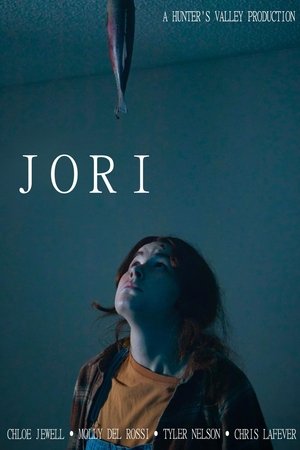


Nurture's not her nature. Set in the rural Ozark Mountains, "Jori" tells the story of a teen girl shackled by an enormous burden. For nineteen-year-old Jori Thomas, each day starts at sunrise, as she treks into the forest to hunt the coyote that killed her beloved family cat. The moment she returns home, consistently unsuccessful, Jori resumes the role of caring for her father, mute and nearly unresponsive. Jori's obligation to her father is one of love and duty, but the days she spends in isolation leave her a stranger to her own needs. Her one solace is in her lover, Eve, who occasionally coaxes her back to the woods for a night of freedom. As her father's condition worsens and struggles arise to secure his life-saving medication, Jori becomes more and more detached. Jori is faced with a choice - save everyone else, or save herself.
A summary of the films featured in this annual event taking place in Westchester.
This side-splitting workplace comedy features a diverse cast and tackles challenging social issues. Other sitcoms should take note.
She is being made to justify why she doesn’t believe he’s a feminist, instead of him having to justify his choice to claim he is one.
Do not trust Rotten Tomatoes. That is what I learned after watching Eternals. Critics currently rate it a 48%, but it's an amazing character-focused Marvel movie with positive diverse representation.
Eventually, “Hobbs and Shaw” introduces us to a Samoan community. Clearly, Johnson’s Samoan roots are on display. Quite frankly, I found this section of the film very intriguing. The “Fast and Furious” franchise has a solid track record in the diversity department
'The Mad Woman and the Feminist': This Spanish entry for the MiamisFF directed by Sandra Gallego handles a difficult conversation in a smart, memorable way.