


Star Wars Episode VIII: The Last Jedi. The Best Post-Disney Star Wars Film
I love The Last Jedi. I don’t think there has been a Star Wars movie in quite some time that brought something new, something fresh to the table.
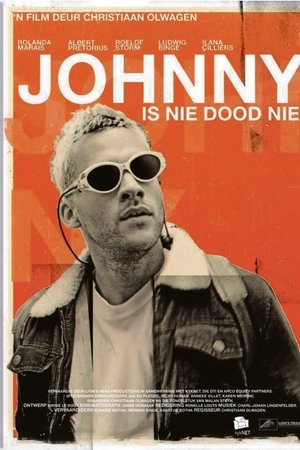


A look into the tumultuous life of Johannes Kerkorrel and the Voëlvry movement during Apartheid South-Africa
I love The Last Jedi. I don’t think there has been a Star Wars movie in quite some time that brought something new, something fresh to the table.
A 2022 remake of the previous films of the same name, but with a more diverse cast, increasing representation and diversity.
Hope has great characters, inventive ideas, an incredible imagination, a palpable intensity, and numerous other aspects that make it one of the best of the year.
A code adopted by gay men and LGBTQ+ individuals in general to subtly disclose your identity to another, “friend of Dorothy” is widely considered to originate with Judy Garland.
The Flounders are back in this sequel that takes place one year after the events of 'Malibu Rescue'.
There is no such thing as watching too many movies. Since we're still quarantined, I wanted to recommend another 19 movies for people to check out across Netflix, HBO Max, and more.