






"Outerlands" Provides Community in Unexpected Places
Intergenerational friendships and community can be so powerful, and this was a great example.
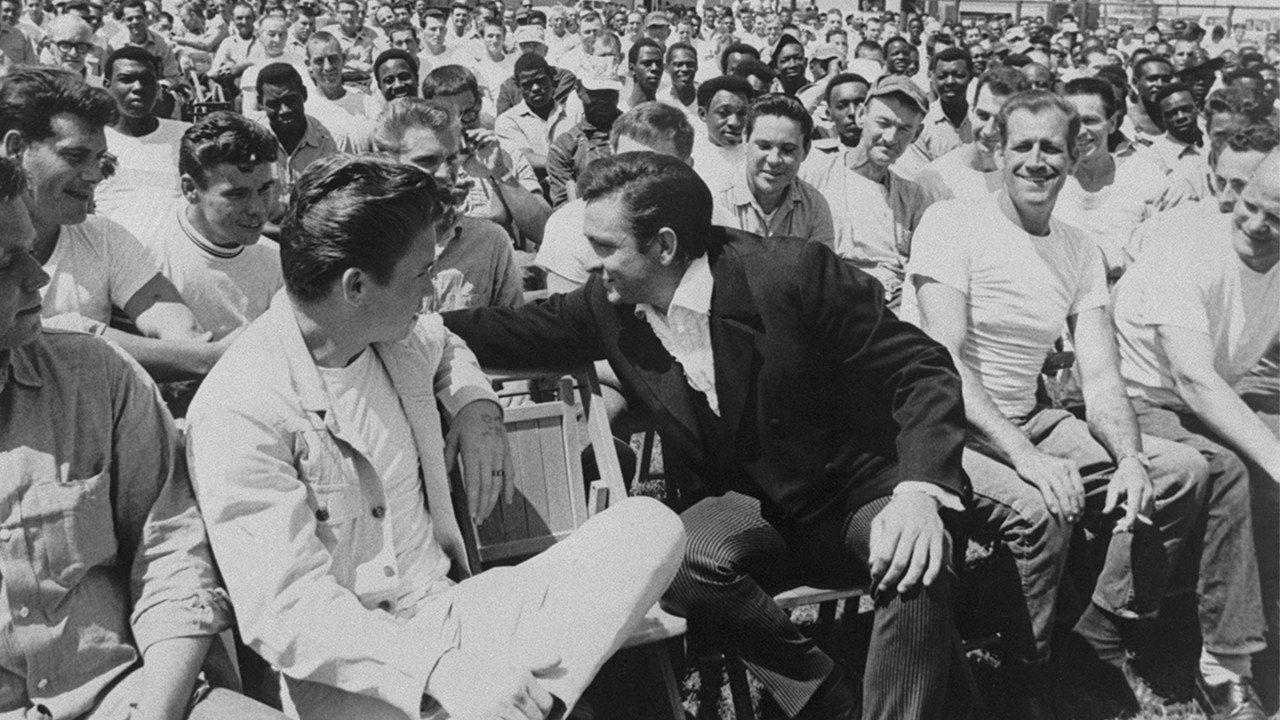
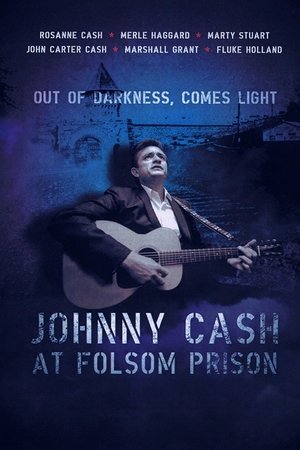


Cash's concert at Folsom State Prison in California in January 1968 touched a raw nerve in the American psyche and made him a national hero at a troubled time in American history. Using the stark images of rock photographer Jim Marshall, graphic techniques, archive footage and interviews with Merle Haggard, Cash's daughter Rosanne, band members Marshall Grant and WS 'Fluke' Holland, alongside former inmates of the prison, the film documents this explosive concert, the live album that followed and a transformative moment in the lives of Cash, the inmates of Folsom Prison and the American nation in the troubled year of 1968.
Intergenerational friendships and community can be so powerful, and this was a great example.
Halle's belting, crystal clear notes, and warm tone infused something into this blockbuster that I thoroughly enjoy.
Produced by Vanguard Animation and released on Netflix, this animated fairytale movie has a lot of ironies as the story is told by the prince himself.
A lot of us are emotionally impacted by the current pandemic. So, while we’re all stuck here in our homes, it’s great to put on a movie to ease the stress. With that, I made up a small list of some of my favorite feel-good movies.
A film for the post-MeToo era that inverts the narrative with an ironic coda, Tár depicts the duality of a sensitive artist capable of great evil and vile manipulation.
Throughout Brendan Fraser’s career, he has played a plethora of unique, layered characters who explore the importance of not being afraid to display your emotions, something that is often seen to not be a masculine trait. This idea of regulating emotion and what traits men are able to possess creates a toxic atmosphere for men who are often told they should not cry or represent their emotions in any physical way. These characters represent that men can be joyful, emotionally conscious, and sensitive, while also representing their masculine identity instead of painting those qualities as fighting against their masculinity.