






“We Are Pat” (2025): Reclaiming a Controversial 90s Icon
Can a piece of bad representation truly be reclaimed? We Are Pat (2025) attempts to answer this question.
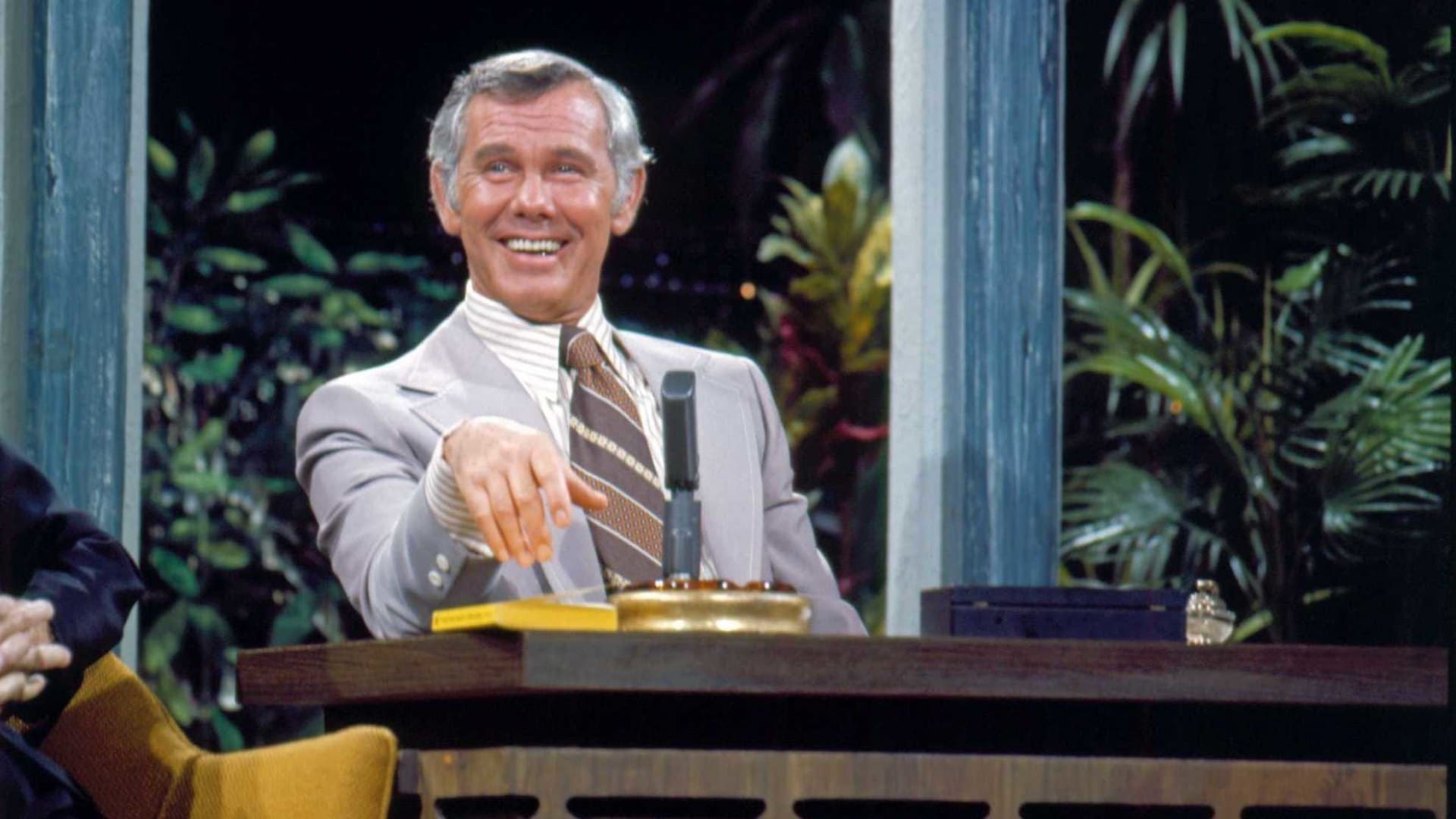



Chronological look at the life and career of Johnny Carson (1925-2005), with commentary from an ex-wife and more than 30 fellow comedians, friends, employees, and biographers. The biography defines why Carson was an enduring star (his cool, his timing, his genuine laugh, his breadth of knowledge) and pursues his motivations and inner self (a loner with a drinking problem, a decent Midwesterner whose mother withheld approval, a quiet person who loved to entertain). The key to understanding him, argues the biography, is his love of magic.
Can a piece of bad representation truly be reclaimed? We Are Pat (2025) attempts to answer this question.
Outer Banks (2020-) knows its audience: young adults in a country that can’t stop romanticizing good ole’ treasure hunts. Add a little of Riverdale’s (2017-) sex appeal, and no one can look away. Forty years after The Goonies (1985) America’s consciousness hasn’t strayed from the same tropes: treasure hunts, a vulnerable white male lead, and the whitewashing of a racially segregated setting.
Animation as a medium of storytelling can be thought to be open to all ages and as I hope my reading will reveal, 'Nimona' could be interpreted as a transgender story.
"Come Play" was entertaining and had some great ideas about how to scare children away from playing with facial recognition settings.
Escape The Field is a serviceable horror thriller. The characters are easier to remember as horror character tropes. As I wrote this review, I only remembered the characters by their tropes: #FinalGirl, #Everyman, #Badass, #MeanB*/SexyGirl, #Realist/BlackLesbian, and #TheNerd.
Another uneven "Guess Who's Coming to Dinner" redux that says nothing novel about its subject matter.