



The Black and White Metaphor in 'Passing'
Passing is a visually stunning portrayal of Larsen's story with an inclusive cast, and the performances of Thompson and Negga are sensational.
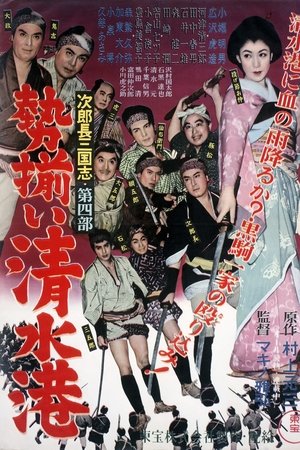


Jirocho's Tale of Three Provinces IV: All Gathered at Shimizu Harbor is the forth installment in the Jirocho's Tale of Three Provinces series.
Passing is a visually stunning portrayal of Larsen's story with an inclusive cast, and the performances of Thompson and Negga are sensational.
Chickenhare and the Hamster of Darkness explores true identity through exploration.
This Japanese Anime movie is about Kanna, a young girl who sets on a quest across Japan to discover her true identity.
The social issues The Half of it takes on are handled well, between the antagonization brought on to Ellie for her race and the conflict that arises from her being gay. Both aspects of her character are built up over the course of the film and don’t seem abrupt or rushed. The film shows racism towards Ellie and her and father in varying levels, from having her schoolmates specifically address her as "Chinese girl” to the fore mentioned way her Dad is treated due to language barriers. The same can be said about Ellie being a lesbian. While she never truly “comes out” in the narrative, that does not undermine her journey of self-discovery from being meaningful. These ideas aren’t thrust upon the viewer in a preachy manor, the scenarios that occur feel believable given the rural setting. The film presents watchers with problems whom those like Ellie may face, and leaves us to sit with them and reflect.
Black Panther was obviously an epic movie and big hit! It was the highest-earning superhero movie of all time in the US! It's pretty clear that Black Panther has more meaning for race and diversity than your average Marvel superhero movie. This movie means a lot in terms of black pride and representation - and has much cultural significance in America as a whole.
I understood post-memory as passing down stories and images of one’s experiences that are not your own. For decades, rape has been depicted in cinema through a third-person perspective, leaving the viewer to observe rape; not to experience it.