








Finding Your Inner Soul and Self in Rip Tide
Rip Tide is a coming-of-age film that teaches viewers about finding yourself and reconnecting with surroundings.



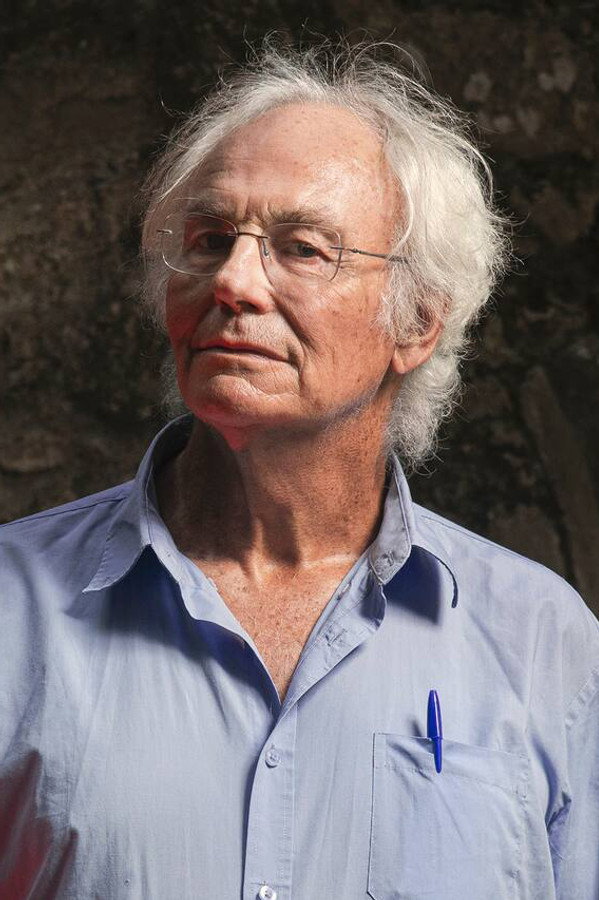
From the rights of minors before the juvenile court, young offenders from the neighborhoods of eastern Paris, or children of Algerian origin from the shantytowns of Nanterre, to the defense of colonized Kanaks and Polynesians; from the fight for conscientious objector status to the denunciation of torture and the death penalty, lawyer Jean-Jacques de Félice has been involved in every struggle. His pacifism knows no bounds: with organizations like Cimade, LDH, and the Louis-Lecoin Committee, he assists draft dodgers in numerous countries. These include Portuguese conscientious objectors refusing to fight in the wars in Angola and Mozambique, American deserters opposed to the Vietnam War, and Israeli objectors refusing to serve in the Occupied Territories. It is no surprise that, as early as 1971, he was one of the very first lawyers representing the farmers of the Larzac plateau.
Rip Tide is a coming-of-age film that teaches viewers about finding yourself and reconnecting with surroundings.
A young woman finds herself trapped in a crossfire of awkwardness during a nightmarish dinner party with her boyfriend's dysfunctional family.
Director Martin Scorsese broadens his boundaries from mafia-driven movies, to a Buddhist biopic of the 14th Dalai Lama. While Buddhism strives for peace, ‘Kundun’ reveals the violence inflicted on Tibetan Buddhists and Scorsese’s depiction of violence does not stray away.
The newest Pedro Almodóvar movie, Pain and Glory, focuses on an aging and debilitated filmmaker, Salvador Mallo (played by Antonio Banderas) reflecting on his life in his old age.
"Up" features one of Pixar's few Asian-American heroes and explores the institutionalized hardships elderly people face. Also, Dug is a good boy.