Incluvie – Better diversity in movies.
Identity in film with Incluvie stamps, scores, reviews.

Incluvie – Better diversity in movies.
Explore identity in film with Incluvie stamps, scores, reviews, and insights.

trailer banner
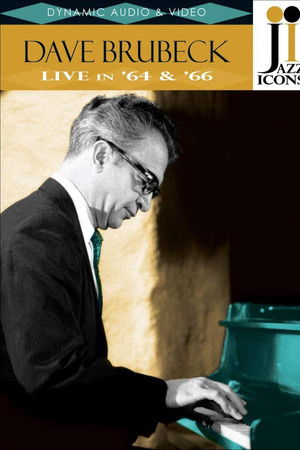
Jazz Icons: Dave Brubeck Live in '64 & '66 poster

Jazz Icons: Dave Brubeck Live in '64 & '66 (2007)

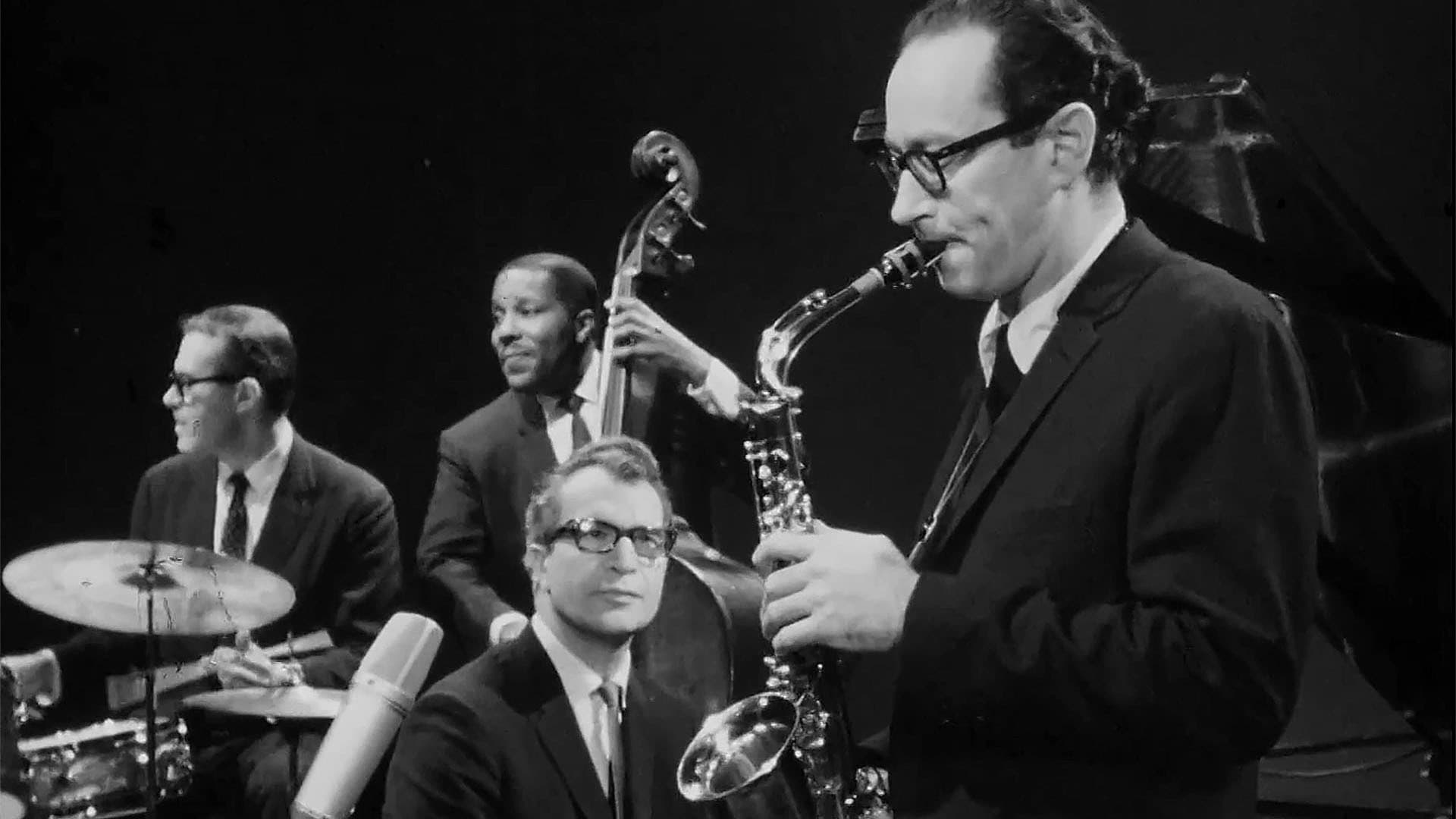
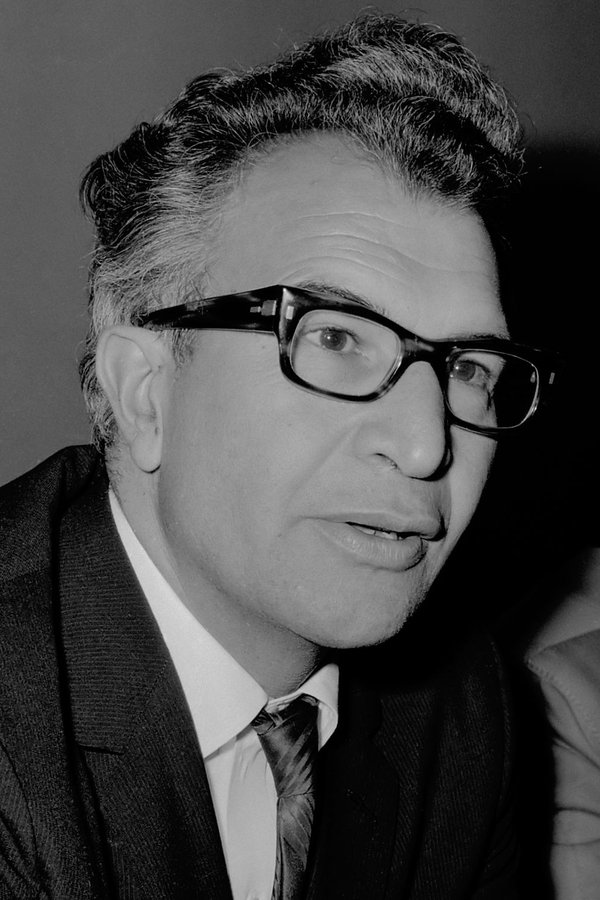
Jazz Icons: Dave Brubeck boasts two beautifully filmed concerts from one of the most beloved quartets in jazz history. Captured at the pinnacle of their power and popularity, Paul Desmond (alto sax), Joe Morello (drums), Eugene Wright (bass) and Dave Brubeck (piano) explore the trails they blazed into the realm of odd time signatures with "Forty Days" and two versions of their groundbreaking hit "Take Five", as well as forays into world music with two unique interpretations of "Koto Song". Their intimate onstage chemistry and impeccable musicianship made the DBQ an award-winning jazz supergroup.
- / 5
PopScore
Representation

Pictures and Videos


Incluvie Gala

Movie Information


Jazz Icons: Dave Brubeck boasts two beautifully filmed concerts from one of the most beloved quartets in jazz history. Captured at the pinnacle of their power and popularity, Paul Desmond (alto sax), Joe Morello (drums), Eugene Wright (bass) and Dave Brubeck (piano) explore the trails they blazed into the realm of odd time signatures with "Forty Days" and two versions of their groundbreaking hit "Take Five", as well as forays into world music with two unique interpretations of "Koto Song". Their intimate onstage chemistry and impeccable musicianship made the DBQ an award-winning jazz supergroup.

Rating:
Genre:Music, Documentary
Directed By:Paul Roland
Written By:
In Theaters:6/24/2007
Box Office:

Runtime:67 minutes
Studio:

Articles You May Like


The Rise of a Kindhearted Comedy Hero: The Anti-Toxic Masculinity Message of Brendan Fraser Films

Throughout Brendan Fraser’s career, he has played a plethora of unique, layered characters who explore the importance of not being afraid to display your emotions, something that is often seen to not be a masculine trait. This idea of regulating emotion and what traits men are able to possess creates a toxic atmosphere for men who are often told they should not cry or represent their emotions in any physical way. These characters represent that men can be joyful, emotionally conscious, and sensitive, while also representing their masculine identity instead of painting those qualities as fighting against their masculinity.

Amanda Mazzillo