



"Mercy" is a Pro-AI Sci-Fi Thriller that Barely Makes Sense
Even without the messaging, Mercy does not hold up as a movie. It's sloppily done and the mystery doesn’t tie together at the end.

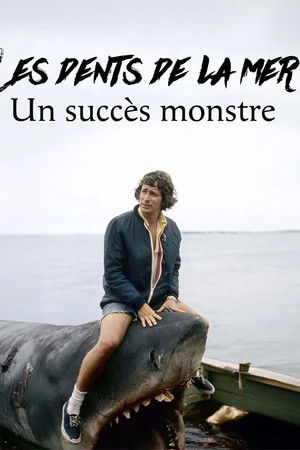


In the summer of 1975, the young director Steven Spielberg set new standards for cinema worldwide with an oversized shark bite, a plastic shark fin and an unmistakable two-note main theme composed by John Williams. With the horror from the deep, a man-eating, gigantic great white shark, the film of the same name became a similarly traumatic reference as Alfred Hitchcock's "Psycho": it triggered lasting primal fears across generations. On the beaches of the world, there was clearly a "before" and an "after". Steven Spielberg, who was only 28 at the time, not only set new standards for the thriller genre, but also hid his biting criticism of US capitalism in the 1970s behind it.
Even without the messaging, Mercy does not hold up as a movie. It's sloppily done and the mystery doesn’t tie together at the end.
At first glance, “The Good Liar” is a respectable piece of fiction, starring Ian McKellen and Helen Mirren. But underneath everything, the film expertly hones the unpredictability of deceit.
In Stowaway, director Joe Penna narrates the story of a starship crew (Anna Kendrick as Zoe Levenson; Toni Collette as Marina Barnett; and Daniel Dae Kim as David Kim) struggling with serious technical problems on a two-year mission to Mars. During the trip, they discover aboard the presence of Michael (Shamier Anderson), a stowaway who jeopardizes everyone’s life on board.
The more we learned with each passing minute the bigger the reveal. This film ends with a serious bang and it was truly a joy to watch.
Despite everything it was capable of, all of these poor choices strung together amount to nothing more than a counter-productive film.
The fun tricks used in the production design and lighting read extremely well on-screen but hardly fulfill their purpose of trying to inject glamour into a lack-luster story with nothing to say.