

Ranking Marvel's What If...? Episodes
Marvel’s animated show What If...? ended last week, so let’s go back and look at all of the different universes shown and rank each episode from worst to best!
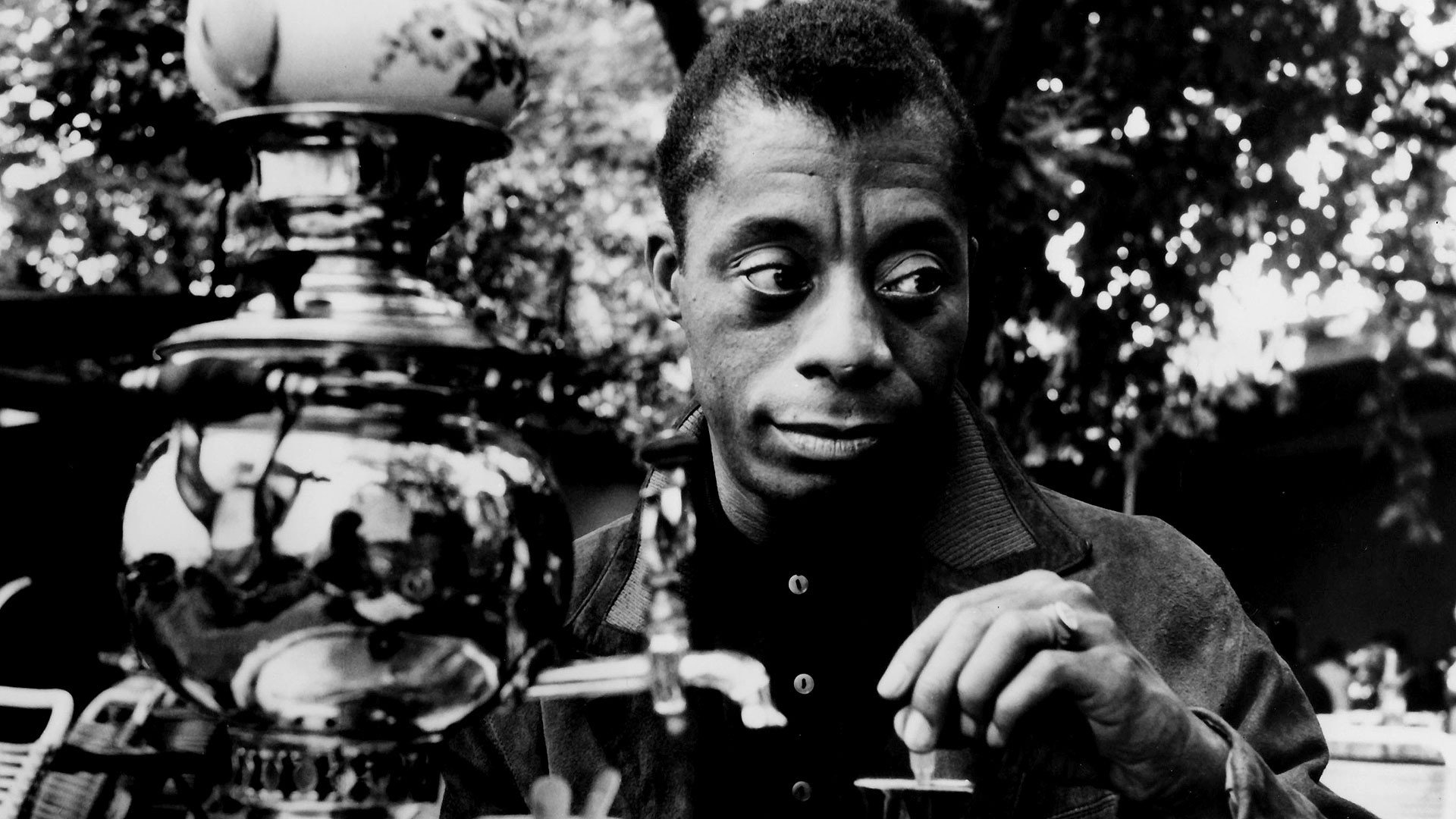


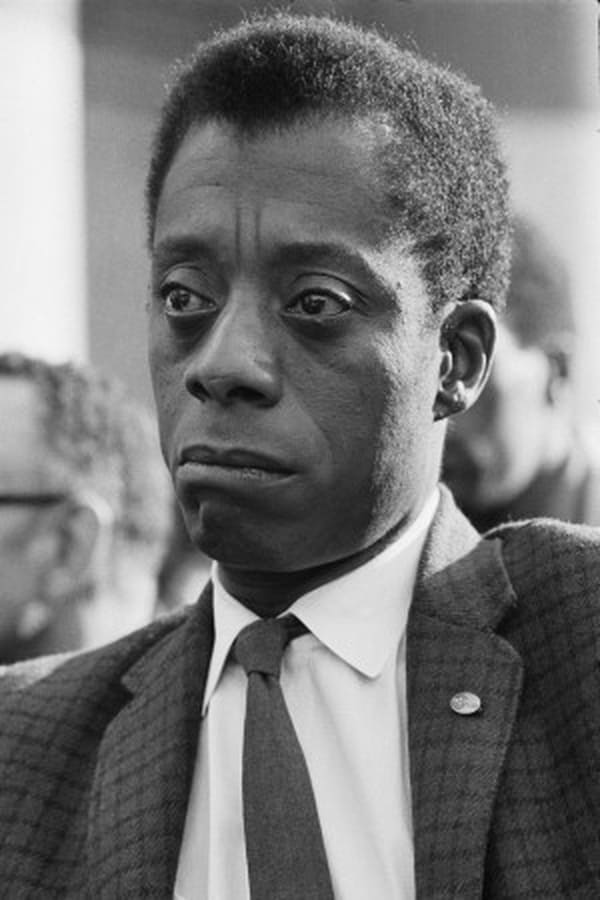
James Baldwin was at once a major 20th century American author, a Civil Rights activist and, for two crucial decades, a prophetic voice calling Americans, black and white, to confront their shared racial tragedy.
Marvel’s animated show What If...? ended last week, so let’s go back and look at all of the different universes shown and rank each episode from worst to best!
Disney has cleverly managed to dance around the misdeeds of their past by scraping by with an insincere action that does very little to incite any long-lasting positive changes.
Ready or Not takes a terrifying situation and has a fun time with horror components. The film melds horror and comedy, creating a cinematic hybrid that flows like running water. Instead of being a film that embraces gut-wrenching sensibilities, it perfectly taps into the energetic nature of hide and seek.
Why is 'The Green Knight' so white? People of color are so removed from the origins of 13th century art. We’re looking toward the future, and part of that should be updating aspects of our stories to mirror those evolutions.
It’s a cool looking Marvel character right off the page! He’s got these glowing eyes and he just kicks ass everywhere he goes, seemingly impervious to pain.