



Quintessential Directors: Barry Jenkins
A brief look at two Barry Jenkins films that have established him as one of the greatest filmmakers of our time.
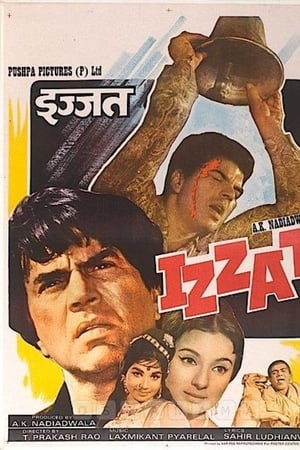


After completing his college, dark-skinned Adivasi Shekhar returns home and finds that his mother, Savli, has passed away. Distraught, he is consoled by Father Abraham, who also tells him that his mother had an affair with wealthy Ramgarh-based Thakur Pratap Singh, who refused to marry her even after she became pregnant. Shekhar decides to avenge his humiliation and sets forth to expose Pratap. Upon arrival in Ramgarh, he finds that he has a fair-skinned look-alike half-brother, Dilip, as well as a sister, Neelu. Dilip meets him, hires him as a office staff person, and asks him to impersonate him in order to meet Deepa, the only daughter of wealthy Vinodbabu, and Shekhar agrees to do so. Shekhar meets Deepa and both are attracted to each other. Shekhar decides to tell her the truth about himself, and returns to Ramgarh. Once there, he finds history repeating itself as Dilip is in love with an Adivasi belle, Jhumki, but is refusing to marry her.
A brief look at two Barry Jenkins films that have established him as one of the greatest filmmakers of our time.
Celebrate Pride with these movies and TV shows available on popular streaming services. (Good news: a lot of them are available for free.)
Inspiring and diverse animated series for the whole family.
The film is bogged down with one-off rain monster threats that always come to a quick and undramatic end
The 1950s lesbian romance is stunning, emotional, restrained, and, simply put, one of the best movies I’ve ever seen depicting a woman-loving-woman (WLW) relationship.
She is being made to justify why she doesn’t believe he’s a feminist, instead of him having to justify his choice to claim he is one.