“Omaha”: Innocence Broken by Economic Injustice
Omaha reminds us of what it can feel like to look at old family photographs. You sit with the bittersweetness, allowing it to wash over you; not drowning in it, but certainly affected by it.




1962 is the year when an entire generation lives life as though it was their last day. Young activist Eik Skaløe has his entire life turned upside down when he falls head over heels in love with the beautiful peace activist Iben Nagel Rasmussen, and she falls in love with him. But Iben is a child of the times, and freely accepts the order of the day: free love and sex. She renounces personal right of ownership and will not settle for one man when she can have several. In typically romantic fashion, he begins a struggle to win all of her love. As a poet, writer and singer he constantly confesses his love to her. But Eik must accept defeat, and in 1968 he travels without his beloved Itsi Bitsi to Nepal, the Land of Dreams in the East. A journey from which he will never return.

Ole Christian Madsen
Director


Ola Rapace
Vincent

Thure Lindhardt
Eik's Father

Julia Ragnarsson
Majbritt

Anette Støvelbæk
Eik's Mother

Marie Tourell Søderberg
Iben Nagel Rasmussen

Christian Gade Bjerrum
Christian Arnø

Joachim Fjelstrup
Eik Skaløe

Caspar Phillipson
Halfdan Rasmussen
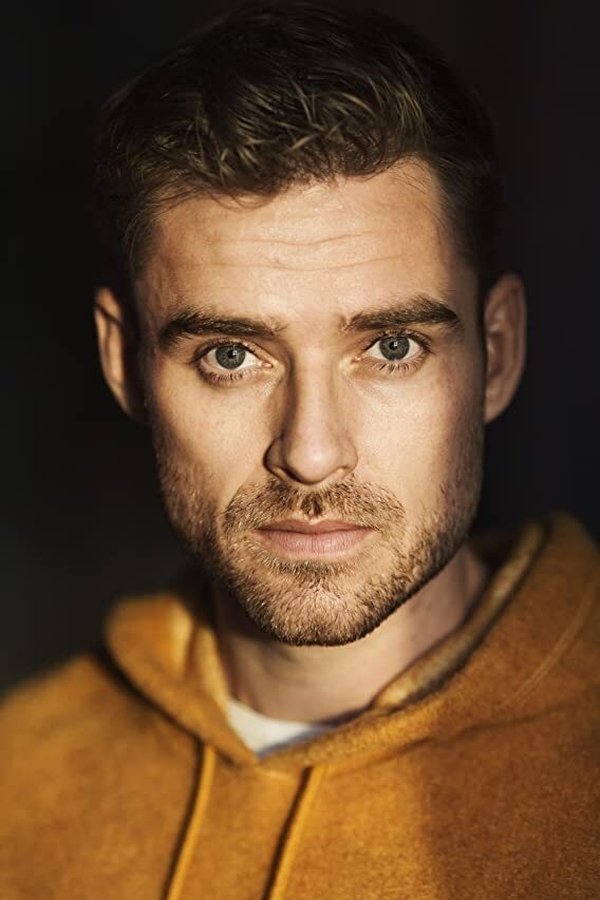
Johannes Nymark
Henrik
Petar Cvirn

Luka Peroš
Omaha reminds us of what it can feel like to look at old family photographs. You sit with the bittersweetness, allowing it to wash over you; not drowning in it, but certainly affected by it.
The power of a talented female director like Patty Jenkins and an overall diverse cast is what makes this film worth watching for me.
'Uprooted' is a short film on what's happening in Ukraine as of today. This captures the emotions of the Russian invasion of Ukraine.
Animation as a medium of storytelling can be thought to be open to all ages and as I hope my reading will reveal, 'Nimona' could be interpreted as a transgender story.
The story is a moving sentiment of letting go of the past and putting trust and faith into others. Though you come into this world alone, surrounding yourself with others that support you and want to help is the greatest gift life could ever give.
Though often underwhelming as a whole, Nevertheless is worth the watch because of the relationship between Sol and Jiwan. It is a stunning, refreshing take on the friends to lovers trope that LGBTQ media has been missing.