






'Fire Island' — The Newest Rom-Com Putting The Pride In 'Pride and Prejudice'
Fire Island is Hulu's most recent romantic comedy and the latest spin on the Jane Austen classic, Pride and Prejudice.
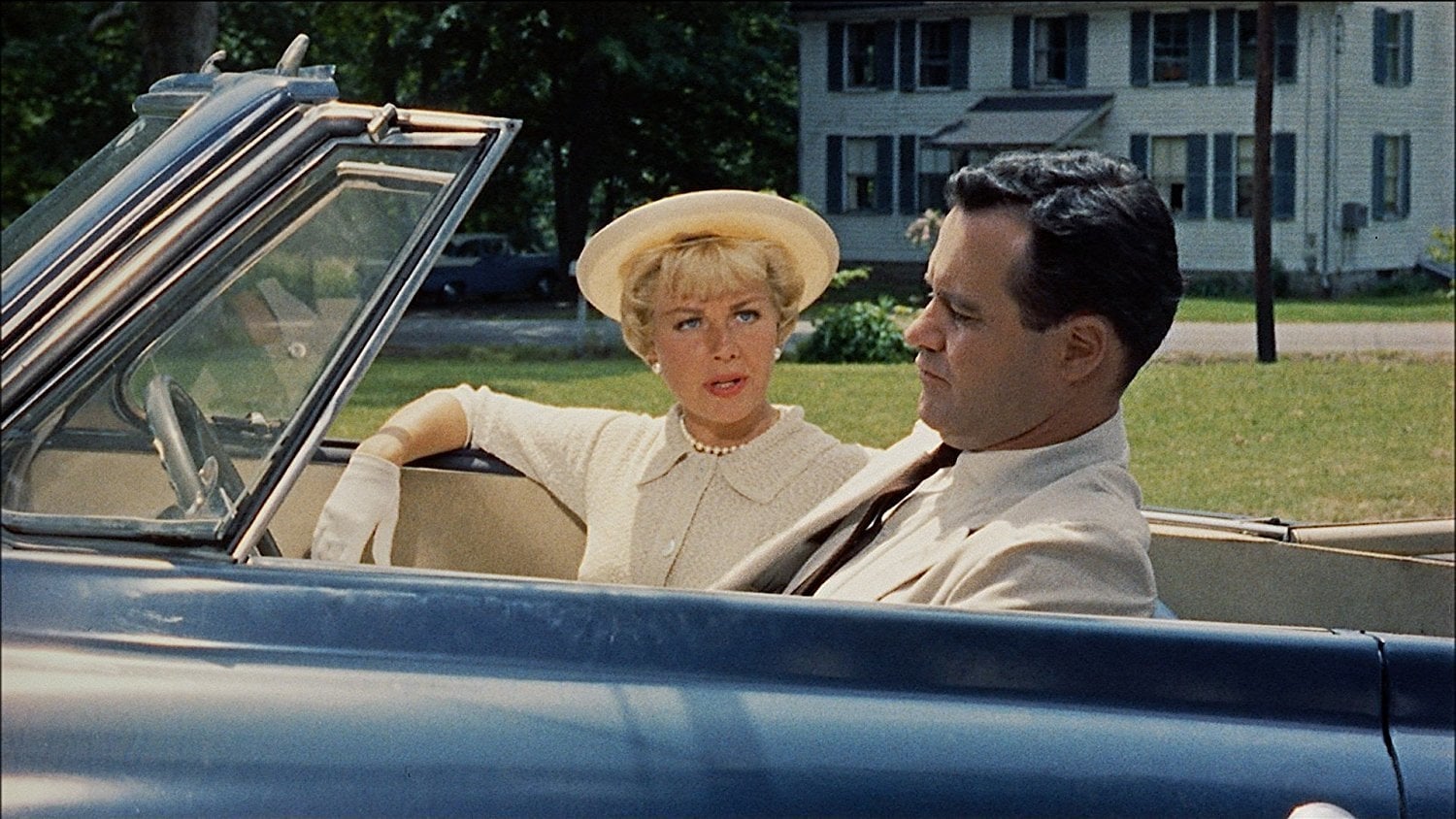



Jane Osgood runs a lobster business, which supports her two young children. Railroad staff inattention ruins her shipment, so with her lawyer George, Jane sues Harry Foster Malone, director of the line and the "meanest man in the world".
Fire Island is Hulu's most recent romantic comedy and the latest spin on the Jane Austen classic, Pride and Prejudice.
When long-time couple Jenny and Nate break up so Jenny can pursue her journalism career, Jenny leans on her two best friends for one last epic night in the city.
Perhaps the most amazing and groundbreaking quality about The Birdcage is how removed it is from both illness and insensitivity. Whereas films preceding it were often somber stories about the tribulations of being gay in a conservatively straight world, Nichols and screenwriter Elaine May expose the fallacies of conservatism as traditional values are thrown into a more open-minded space. They don’t care how far the community has fallen so much as how high they can rebuild themselves.
That feeling in your gut which tells you that there’s something out there you should look for and make your own, is what the power represents
What seems like such a simple story of survival is so much more than that—it’s a story of family, and of war, and of destruction. It’s painful to watch, but not in a bad way. It makes its audience reflect on their own actions, and in how they are complicit in the sufferings of others as the adults in this film are. Grave of the Fireflies does not hold back from being heartbreaking, and it shouldn’t. It tells a message that needs to be heard decades after the war, and a story that cannot be forgotten by history.
Can a homeless yet optimistic teenage girl learn to accept a helping hand?