






Me and 'My Best Friend Anne Frank'
This film is based off of The Diary of a Young Girl, which was written during the Holocaust period.
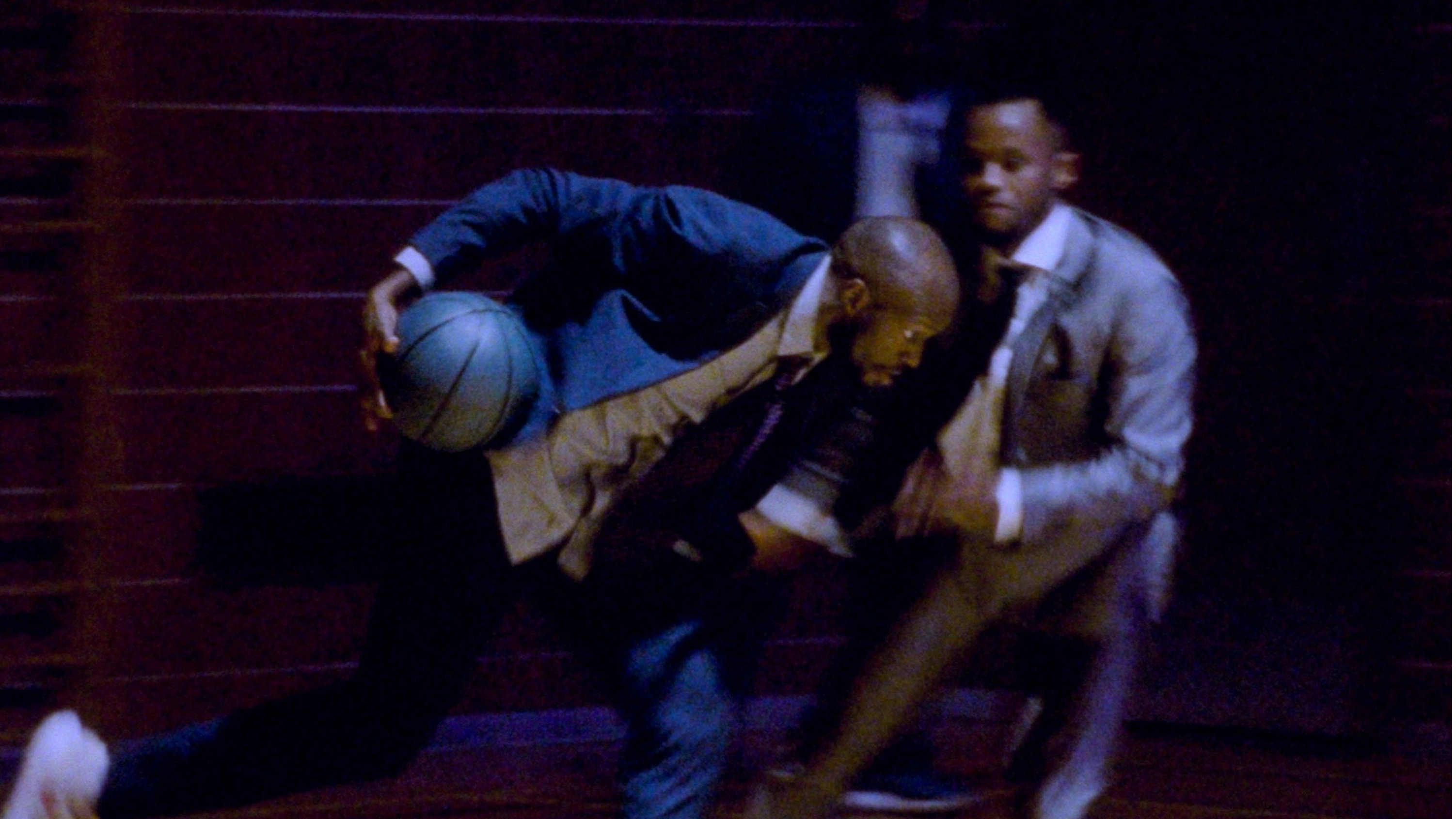
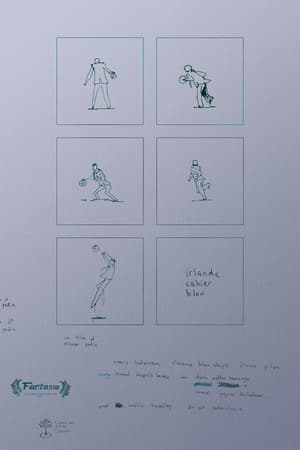


An anachronistic firefighter, a quotidian poet, and an expert soup-maker, Ducarmel also plays in a competitive basketball league. There’s only one problem with his hobbies: finding a babysitter to look after his daughter. Moreover, when he dozes off in the evening, he dreams… a little too forcefully. In his bizarre dream world, a beguiling blue book reigns, love looms, and he is the best basketball player of all time.
This film is based off of The Diary of a Young Girl, which was written during the Holocaust period.
Based on a true story, when his beloved dog goes missing, the owner embarks on an incredible search with his parents to find him.
I’m still trying to comprehend the psychological and moral implications of their fascination with each other, or why their almost written-in-the-stars depth of connection makes so much sense.
“Eleanor The Great” is a feel-good story that explores how we cope with grief and loss while educating us about the horrors of the Holocaust.
The roaring emotional ride that was the season four finale sets June on a new path: more of a Survivor's Journey.