


Gemini Man Review: A Poor Utilization of a Promising Cast
You can have the best filmmaker and cast in the world, but if the script is lacking, you’re in a troublesome state. Such is the case with Gemini Man, a film full of tremendous artists.
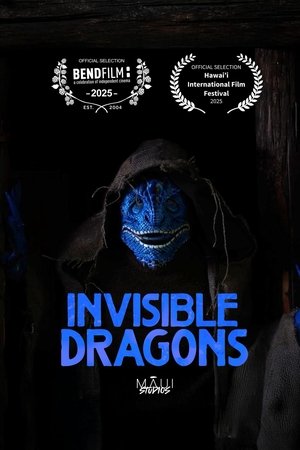


In rural New Zealand, a determined young woman named Ayala confronts her estranged, conspiracy-obsessed father Stephen in his isolated ramshackle fortress — where he now lives as a self-proclaimed lizard person. Ayala pleads for him to return to reality, but as the line between delusion and belief blurs, Ayala must face a chilling question: what if he’s not entirely wrong?
You can have the best filmmaker and cast in the world, but if the script is lacking, you’re in a troublesome state. Such is the case with Gemini Man, a film full of tremendous artists.
The assassins in Bullet Train are quirky, deadly, and diverse. Yet, they all seem to be some type of caricature. While the movie is fun and action-packed, it’s also packed with stereotypes that don’t make for the best representation.
Ever heard of the bad boy type? The type of man who's sexy yet broody, or the type of man who’s dangerous but has a sensitive side? It’s a well-known stereotype that women are attracted to villains. The question is: why are we?
It took writers D.B Weiss and David Benioff two years to give us a promising final season. Two. Years. It was just going to be six episodes, which was short considering that all the other seasons — except season 7 — were 10 episodes. 10. 6 wasn’t enough, and even HBO wanted to give the writers more episodes. More seasons, even. However, the writers wanted to get out of the show as quickly as possible to work on other projects. This abruptness is clearly shown in this season.
We, the Jane Austen aficionados, are suckers for everything and anything under the sun that’s remotely related to her and her world. That’s because we are so drawn to her unique style of fiction, romance, and social commentary, we take any allusion to her influence as a hint to what to expect when we start watching a movie or reading a book.
In Spike Lee’s She’s Gotta Have It (1986), we follow the love life of powerful female protagonist Nola Darling (Tracy Camilla Johns) and explore the relationship dynamics she has with her partners. She sees three men simultaneously: Greer Childs, (John Canada Terrell) Mars Blackmon (Spike Lee), and Jamie Overstreet (Tommy Redmond Hicks). Though an 80’s film, She’s Gotta Have It is surprisingly progressive with its themes of female sexuality, although at some points in the film it is handled clumsily. Overall Nola is an incredibly compelling character especially for modern women, as we as a society acknowledge female sensuality more and more without the negative stigma.