

I Wouldn't Recommend "The Last House" If It Was The Last Movie On Earth
The film is bogged down with one-off rain monster threats that always come to a quick and undramatic end
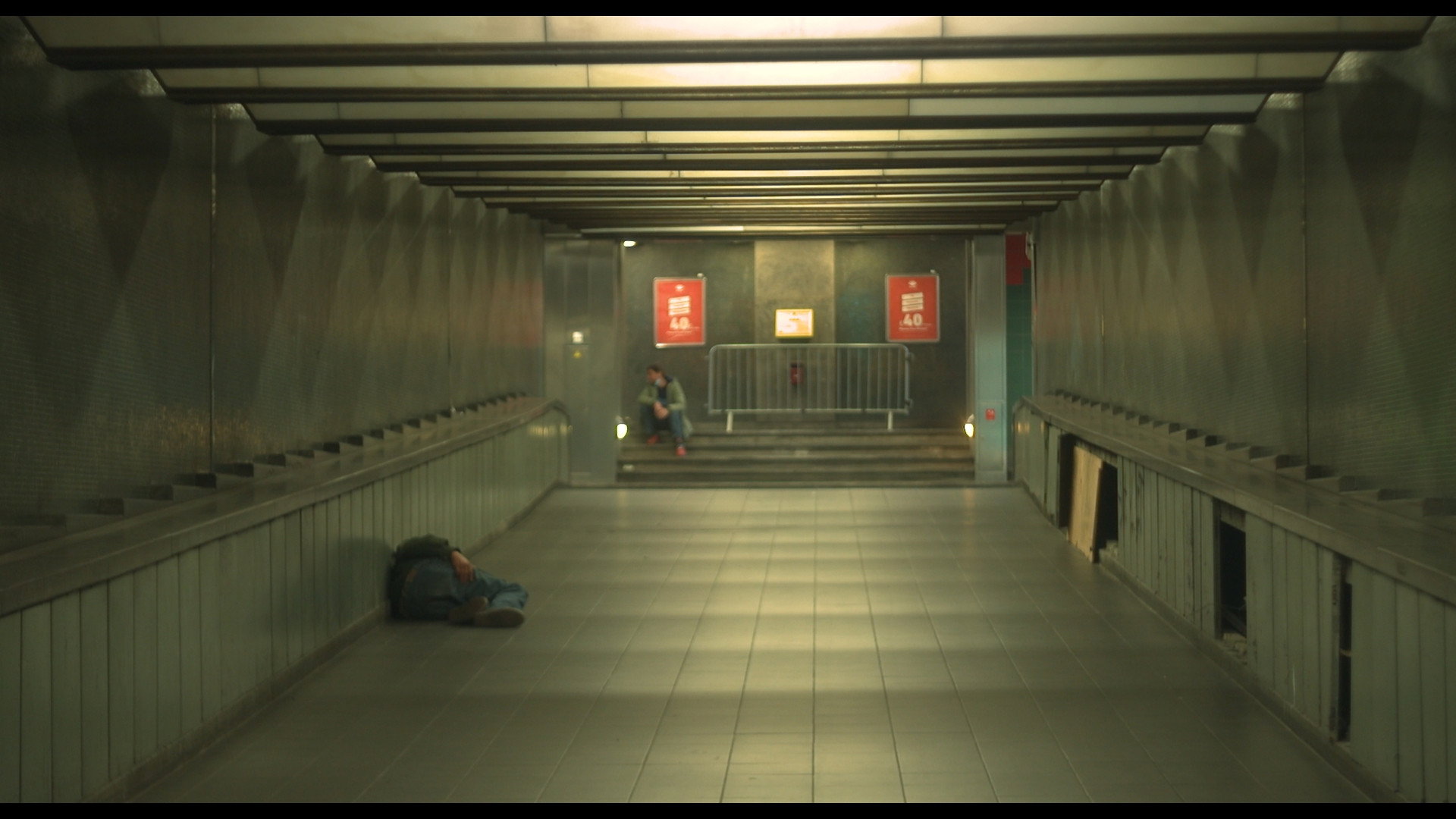
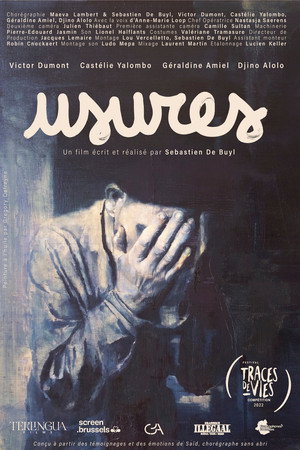


Usures is a reflection after an encounter with Saïd, a homeless choreographer. His withdrawal from the world translates into an absence from the film. Usures then fills this void with bodies in movement, substrates and bursts of life that embody the emotional states that Saïd goes through in his daily life. The underground corridors, intervals between two worlds, become the scene where bodies reconcile and reclaim the power over their fate.
The film is bogged down with one-off rain monster threats that always come to a quick and undramatic end
'Don't Breathe 2' is a sequel that forgoes almost everything that made its predecessor good, and asks audiences to root for a rapist on top of that.
'Sex Education' is one of the most diverse shows I've ever seen! From sexuality to gender identity to race, this show features so many minorities and so many different kinds of relationships!
In Spike Lee’s She’s Gotta Have It (1986), we follow the love life of powerful female protagonist Nola Darling (Tracy Camilla Johns) and explore the relationship dynamics she has with her partners. She sees three men simultaneously: Greer Childs, (John Canada Terrell) Mars Blackmon (Spike Lee), and Jamie Overstreet (Tommy Redmond Hicks). Though an 80’s film, She’s Gotta Have It is surprisingly progressive with its themes of female sexuality, although at some points in the film it is handled clumsily. Overall Nola is an incredibly compelling character especially for modern women, as we as a society acknowledge female sensuality more and more without the negative stigma.
Nightbooks, the newest entry in children's horror, honors classic horror films, focuses on themes of acceptance, and has awesome production design.
This is a list of seven films that explore police brutality and systemic racism made by Black filmmakers. These are important movies to watch and to take in, as — through the power of cinema — they showcase what it feels like to be a Black person living in a country that is internally designed to be against you.