


TIFF ‘22 Coverage: ‘My Policeman’
'My Policeman' simultaneously delighted and disappointed audiences at TIFF, but everyone can agree that the performances and truth of the story will convince audiences that this film is worth the watch.
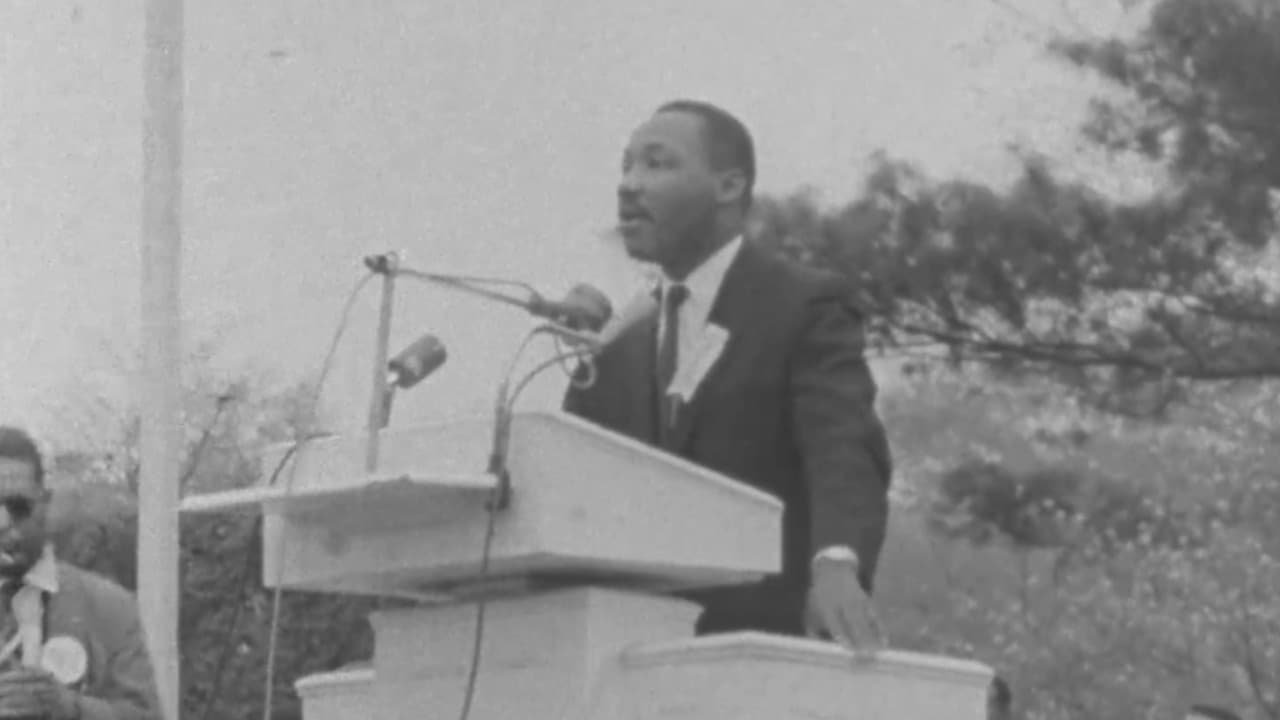



Integration Report 1, Madeline Anderson's trailblazing debut, was the first known documentary by an African American female director. With tenacity, empathy and skill, Anderson assembles a vital record of desegregation efforts around the country in 1959 and 1960, featuring footage by documentary legends Albert Maysles and Richard Leacock and early Black cameraman Robert Puello, singing by Maya Angelou, and narration by playwright Loften Mitchell. Anderson fleetly moves from sit-ins in Montgomery, Alabama to a speech by Martin Luther King Jr. in Washington, D.C. to a protest of the unprosecuted death in police custody of an unarmed Black man in Brooklyn, capturing the incredible reach and scope of the civil rights movement, and working with this diverse of footage, as she would later say, “like an artist with a palette using different colors.”
'My Policeman' simultaneously delighted and disappointed audiences at TIFF, but everyone can agree that the performances and truth of the story will convince audiences that this film is worth the watch.
The plot could’ve really been interesting if the elements of lycanthropy was integrated with perhaps the struggle of identity of being LGBTQ+. It's an experience for so many that as they’re starting to realizing their true selves, they feel like a monster, especially if they come from unsupportive homes or communities. Instead, the horror and transformation elements seem thrown in without contemplation of how this could deepen the narrative.
'A Wrinkle In Time' combines fantasy and science fiction to bring the classic story to life.
For viewers who love eating burgers, shakes and fries on the go along with a tasty side of nostalgia.
"13 Going on 30" tracks the tricky transition from adolescence to adulthood.
Throughout Brendan Fraser’s career, he has played a plethora of unique, layered characters who explore the importance of not being afraid to display your emotions, something that is often seen to not be a masculine trait. This idea of regulating emotion and what traits men are able to possess creates a toxic atmosphere for men who are often told they should not cry or represent their emotions in any physical way. These characters represent that men can be joyful, emotionally conscious, and sensitive, while also representing their masculine identity instead of painting those qualities as fighting against their masculinity.