Trans Allegories in Film: 'Shrek' (2001)
Films can alleviate alienation by presenting realities where the viewers feelings are shared by onscreen characters. The film 'Shrek' can be interpreted as a transgender story.




The lawyer Franziska Schlüter works for the Aescuria insurance and is responsible for processing applications for disbursement of occupational disability policies. The company policy provides as a guideline to prevent the approval as far as possible. When the widow of a victim, who committed suicide after being rejected, storms the office to loudly accuse these machinations, Franziska begins to doubt the correctness of her work and to rethink. She quits and works as a freelance lawyer to help injured parties legally to get their rights. First she deals with the case of a family in the neighborhood. The father has been in a wheelchair since an accident. However, the Strelaus have not yet seen any money from the insurance company. Initially not taken seriously by colleagues, the shy woman takes on the fight against the health insurance system and has to fight against resistance and above all with her own self-doubt.

Jörg Lühdorff
Director


Henny Reents
Franziska Schlüter

Karoline Bär
Judith Broichhausen

Steve Windolf
Ulf Buschmann

Martin Brambach
Franz Sachtler
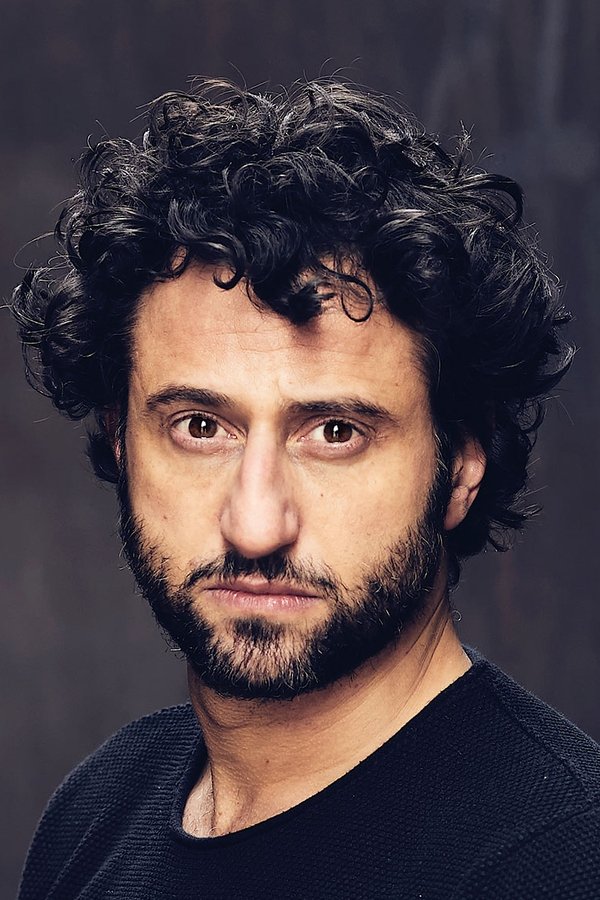
Serkan Kaya
Denizhan Özhan

Daniel Wiemer
Jochen Schlüter
Picco von Groote
Anne Strelau
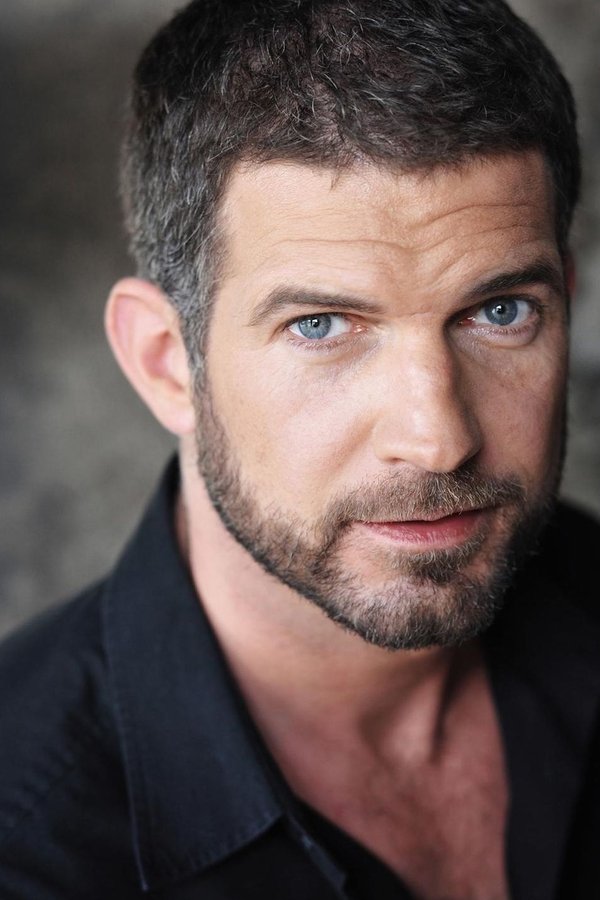
Simon Böer
Robert Strelau

Lorna zu Solms
Greta Strelau
Otto Emil Koch
Paul Schlüter
Friederike Bellstedt
Dr. Doris Hollinger
Films can alleviate alienation by presenting realities where the viewers feelings are shared by onscreen characters. The film 'Shrek' can be interpreted as a transgender story.
My review’s title is a nod to Shakespeare and is entirely deliberate. The original movie portrayed the high-end fashion world as a brutal arena of plotting, backstabbing, and betrayal, and most Shakespeare’s plays depend on these plot devices. The Devil Wears Prada 2 uses the same formula, and is, plot-wise, almost identical. Once again, we plunge into the cutthroat world of Runway, where to get and stay at the top, you must let go of your principles and moral sense. The only thing different is that due to the digital era, Runway is not a print magazine anymore, but one that is running online.
The biggest highlight of the film is easily the performance of Andrew Garfield. In his days since hanging up his Spiderman suit, Garfield has routinely churned out great performances, and Mainstream is no exception. He proves that he is willing to try anything and go anywhere in a character.
There’s been a longstanding criticism of sci-fi films about its lack of Black characters. For the past few years, Anthony Mackie has been successfully representing Black masculinity in the otherwise homogenous genre and I am here for it.
In Spike Lee’s She’s Gotta Have It (1986), we follow the love life of powerful female protagonist Nola Darling (Tracy Camilla Johns) and explore the relationship dynamics she has with her partners. She sees three men simultaneously: Greer Childs, (John Canada Terrell) Mars Blackmon (Spike Lee), and Jamie Overstreet (Tommy Redmond Hicks). Though an 80’s film, She’s Gotta Have It is surprisingly progressive with its themes of female sexuality, although at some points in the film it is handled clumsily. Overall Nola is an incredibly compelling character especially for modern women, as we as a society acknowledge female sensuality more and more without the negative stigma.
The Suicide Squad's Polka-Dot Man aka Abner Krill, played by David Dastmalchian, helped me come to terms with my own issues of anxiety.