


A Lesbian Breakdown of "Honey, Don't!"
It's sexy, regardless of what else is going on.
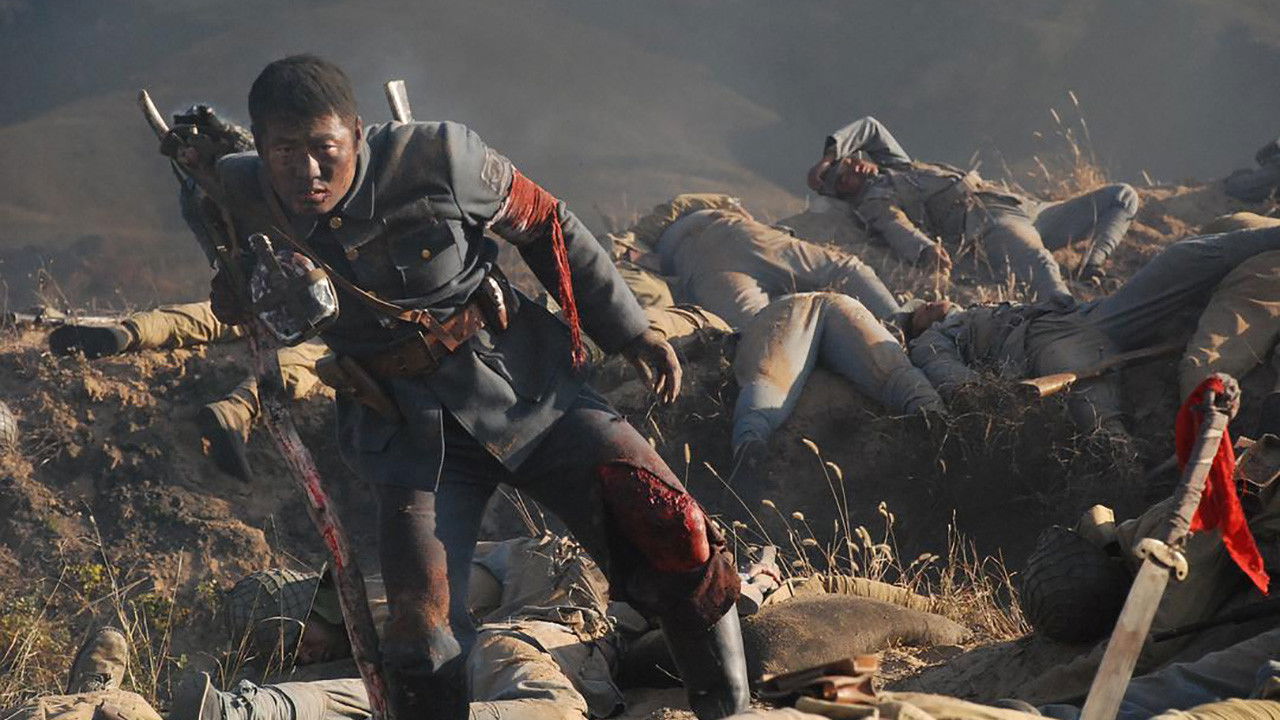



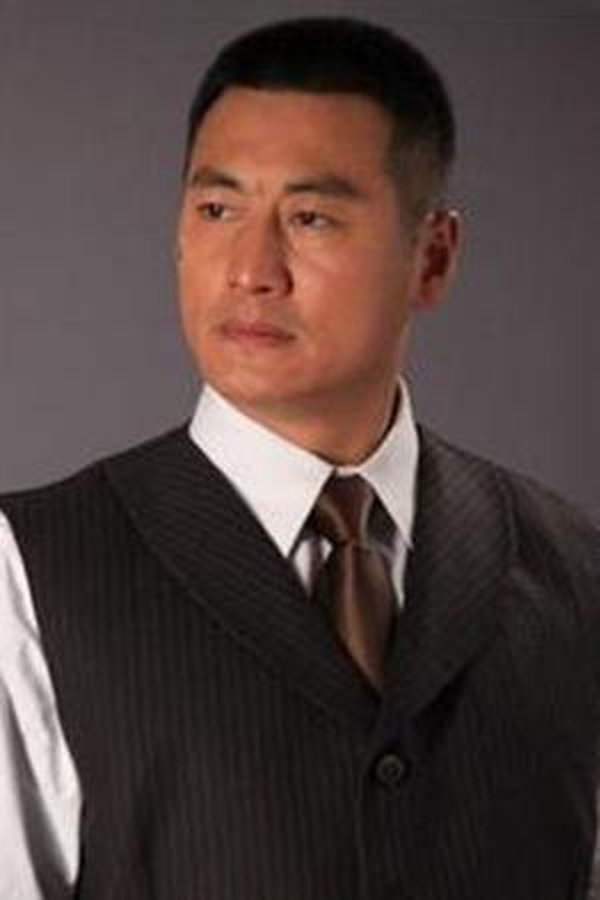
In 1933, as the flames of the Anti-Japanese War spread along the Great Wall front, Wu Zhanyuan (played by Fan Yulin), a regiment commander of a North China army unit, is wounded in battle and reassigned to the relatively peaceful village of Taiping Valley. However, tensions rise between the villagers and the soldiers. During this time, a village widow named Shuihua (played by Li Meike) catches Wu’s attention. The unexpected arrival of Japanese troops shatters the long-standing peace of the village. It turns out Wu’s stationed post is not just a quiet valley, but the strategic stronghold of Taipingyu. Facing a massive Japanese assault, Wu, determined to protect innocent villagers, resolves to sacrifice himself. He leads his outnumbered troops in a fierce and brutal battle against the invaders…
It's sexy, regardless of what else is going on.
"WHAT ARE YOU WILLING TO SACRIFICE?!!!!" "EVERYTHING!!!!!" This is but one of a multitude of highly emphatic questions, and subsequent answers, being asked in the newest feature film from one of the current masters of horror, Jordan Peele ("Get Out", "Us" and "Nope"). I must give Peele credit in that he continues to push the boundaries of specific genres and their associated tropes in order to provide what ends up amounting to subtly then jarringly intense, yet still character and story-driven, cinema that speaks more to indie stylings than mainstream.
Housefull 5 attempts something bold with two endings — but does the gamble pay off? Read this spoiler-filled review for a breakdown of both versions, standout moments, and why it might be the franchise’s most forgettable entry yet.
Holiday hijinks ensue when a recently separated couple are both accidently invited to same holiday celebration.
Netflix’s Shadow and Bone has a complicated relationship with race. It has a diverse cast, but not without its problems. Based on Leigh Bardugo’s two book series, the show features characters from the Shadow and Bone trilogy, which is very straight and white, and the Six of Crows duology, which is much more diverse. When bringing together a cast and writing about these characters, the team behind the show expanded upon some of the representation missing from the first trilogy, then seemed to take away representation from the duology. Shadow and Bone seems to play a bit of a push and pull game when it comes to portraying diversity onscreen.
While the film didn’t hit me as emotionally as I wanted it to, I still enjoyed it. I simply wish there was a little more, particularly with the world building.