


Incluvie – Better diversity in movies.
Identity in film with Incluvie stamps, scores, reviews.

Incluvie – Better diversity in movies.
Explore identity in film with Incluvie stamps, scores, reviews, and insights.

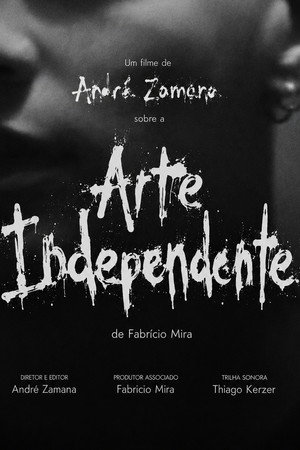
Independent Art poster

Independent Art 

In an intimate testimony filmed inside his own home, an artist reflects on art, detachment, and the need to keep creation free from ownership. As he prepares to give away a series of paintings to strangers, he questions value, ego, and permanence, searching for the rare sense of freedom that only art seems capable of offering.
- / 5
PopScore
Representation

Pictures and Videos


Incluvie Gala

Movie Information


In an intimate testimony filmed inside his own home, an artist reflects on art, detachment, and the need to keep creation free from ownership. As he prepares to give away a series of paintings to strangers, he questions value, ego, and permanence, searching for the rare sense of freedom that only art seems capable of offering.

Rating:
Genre:Documentary
Directed By:André Zamana
Written By:
In Theaters:
Box Office:

Runtime:4 minutes
Studio:

Articles You May Like


"She’s Gotta Have It” was Ahead of the Curve in Portrayal of Female Sexuality

In Spike Lee’s She’s Gotta Have It (1986), we follow the love life of powerful female protagonist Nola Darling (Tracy Camilla Johns) and explore the relationship dynamics she has with her partners. She sees three men simultaneously: Greer Childs, (John Canada Terrell) Mars Blackmon (Spike Lee), and Jamie Overstreet (Tommy Redmond Hicks). Though an 80’s film, She’s Gotta Have It is surprisingly progressive with its themes of female sexuality, although at some points in the film it is handled clumsily. Overall Nola is an incredibly compelling character especially for modern women, as we as a society acknowledge female sensuality more and more without the negative stigma.

Andrea Amoroso

'Jack and Diane' Review: Wasted Potential

The plot could’ve really been interesting if the elements of lycanthropy was integrated with perhaps the struggle of identity of being LGBTQ+. It's an experience for so many that as they’re starting to realizing their true selves, they feel like a monster, especially if they come from unsupportive homes or communities. Instead, the horror and transformation elements seem thrown in without contemplation of how this could deepen the narrative.

Andrea Amoroso