




Mahavatar Narsimha Movie Review – A New Era for Indian Animation
Mahavatar Narsimha (2025) brings the epic tale of Hiranyakashipu to life with stunning animation, intense action, and a bold retelling of this timeless mythological drama.
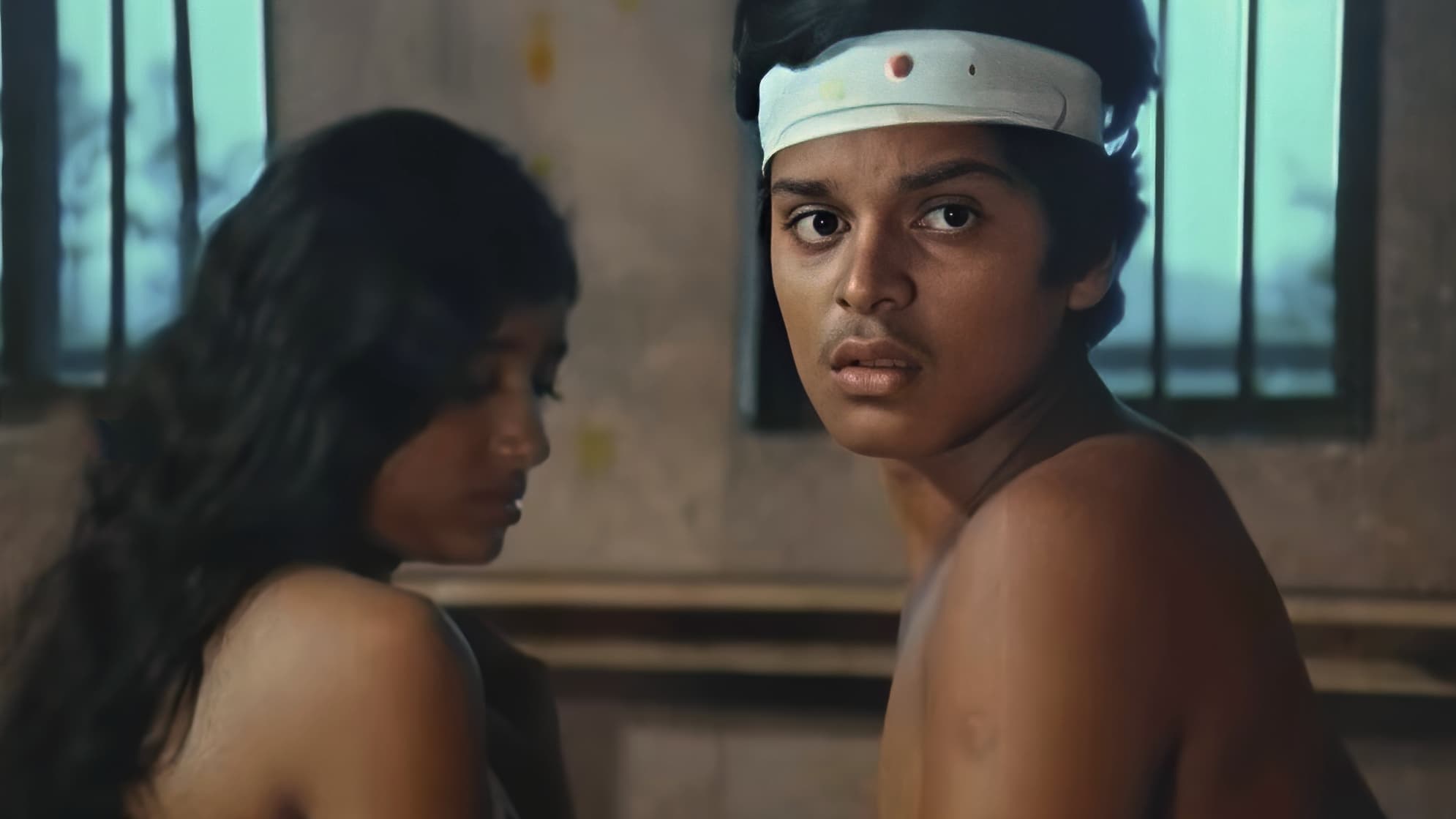



Vinod (Master Raghu) and Anitha (Devi) are classmates in school and have their own private problems. Vinod's stepmother wants to seduce him, and Anitha is an illegitimate child that her mother never wanted. On a rainy day they take shelter in a train wagon, which starts moving before they could get out and stops next in a forest area a long way away from home. There, they find a couple of recluses - a widow and an ex-army officer - living their own lives and willing to accept them. As they were in early puberty they live like normal children. But as puberty stage starts, both experiences lust over each other. The widow accepts them as foster children and perform their marriage, but fate intervenes as an incurable disease for Anitha.
Mahavatar Narsimha (2025) brings the epic tale of Hiranyakashipu to life with stunning animation, intense action, and a bold retelling of this timeless mythological drama.
With a cast of exceptional and exclusively openly gay actors, "Boys In The Band" takes on themes of homophobia, racism, vanity, and substance abuse.
This holiday movie serves as the prequel to the TV series The Really Loud House.
As this critic continues to look back at some of this Summer's films I have taken in, I would be remiss if I didn't mention one of the most overall unsettling trends in Hollywood over the last several years.....sequels, reboots, and remakes. Look, I am all for seeing more than one film for certain originals that made a splash, ie: "Jurassic Park", "Pirates of the Caribbean", "Transformers", etc.
The Invitation takes a creeping look at two simple premises: reuniting with forgotten friends and new-age spiritualism. Though one seems a bit scarier than the other, the film heightens social awkwardness to a macabre level that puts an uncomfortable look on when the social taboo of grief is put on public display.
This article will cover why this film is categorized as a documentary and concert film.