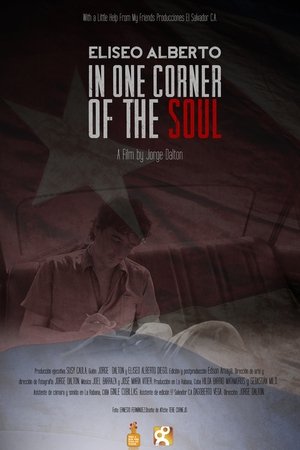
In one Corner of the Soul
Eliseo Alberto (aka Lichi) was a scion of one of the most renowned families in Cuban arts and letters. He fled to Mexico City in 1990 where he lived the last two decades of his life. Lichi is the co-author of the screenplay for Guantanamera. His novel, Caracol Beach won the Premio Alfaguara and Informe contra mi mismo (Dossier Against Myself) details how he was asked to spy on family and friends when he was in the military. Shortly before his death in 2011, he asked filmmaker Jorge Dalton to film a lengthy conversation with him about his struggles with the revolution and his fervent hope that all Cubans would find a way to right their country’s course and reunite. That fateful, intimate conversation has now become the centerpiece of an urgent and enlightening film. A defender of freedom in its various guises, Lichi was convinced no one could love Cuba as much as he did.

- / 5
PopScore
Representation
Pictures and Videos

Movie Information
Eliseo Alberto (aka Lichi) was a scion of one of the most renowned families in Cuban arts and letters. He fled to Mexico City in 1990 where he lived the last two decades of his life. Lichi is the co-author of the screenplay for Guantanamera. His novel, Caracol Beach won the Premio Alfaguara and Informe contra mi mismo (Dossier Against Myself) details how he was asked to spy on family and friends when he was in the military. Shortly before his death in 2011, he asked filmmaker Jorge Dalton to film a lengthy conversation with him about his struggles with the revolution and his fervent hope that all Cubans would find a way to right their country’s course and reunite. That fateful, intimate conversation has now become the centerpiece of an urgent and enlightening film. A defender of freedom in its various guises, Lichi was convinced no one could love Cuba as much as he did.
Rating:
Genre:Documentary
Written By:Eliseo Alberto , Jorge Dalton
In Theaters:
Box Office:
Runtime:93 minutes
Studio:
Cast

Articles You May Like
"Apex" Captures the Primal Fear of Being a Woman
Given a choice between a man and a mountain, it’s safer to choose the mountain.
Why DEH should have Gone POC
The gentle, emotional nuances of Evan’s coming-of-age story would have been so beneficial to have incorporated into the life of a POC character. Showing a Black, Asian or Latino young man that is afforded the space to be vulnerable, flawed and sensitive while driving a compelling and widely-loved narrative would have been a game changer.
Outer Banks Ignores Its Racial Context
Outer Banks (2020-) knows its audience: young adults in a country that can’t stop romanticizing good ole’ treasure hunts. Add a little of Riverdale’s (2017-) sex appeal, and no one can look away. Forty years after The Goonies (1985) America’s consciousness hasn’t strayed from the same tropes: treasure hunts, a vulnerable white male lead, and the whitewashing of a racially segregated setting.
True Spirit (2023): a Story of Surviving the Ocean
A young girl who is determined to sail the ocean within 210 days at sea brings an adventurous story for viewers.
'Bullet Train' Review: Stereotypes Galore!
The assassins in Bullet Train are quirky, deadly, and diverse. Yet, they all seem to be some type of caricature. While the movie is fun and action-packed, it’s also packed with stereotypes that don’t make for the best representation.