
‘The Wrong Missy’ is a Miss
The characters aren’t likable, the story is predictable and the humor is either disgusting, obnoxious, or uncomfortable. The Wrong Missy is a mess of a film and it’s not really worth your time.
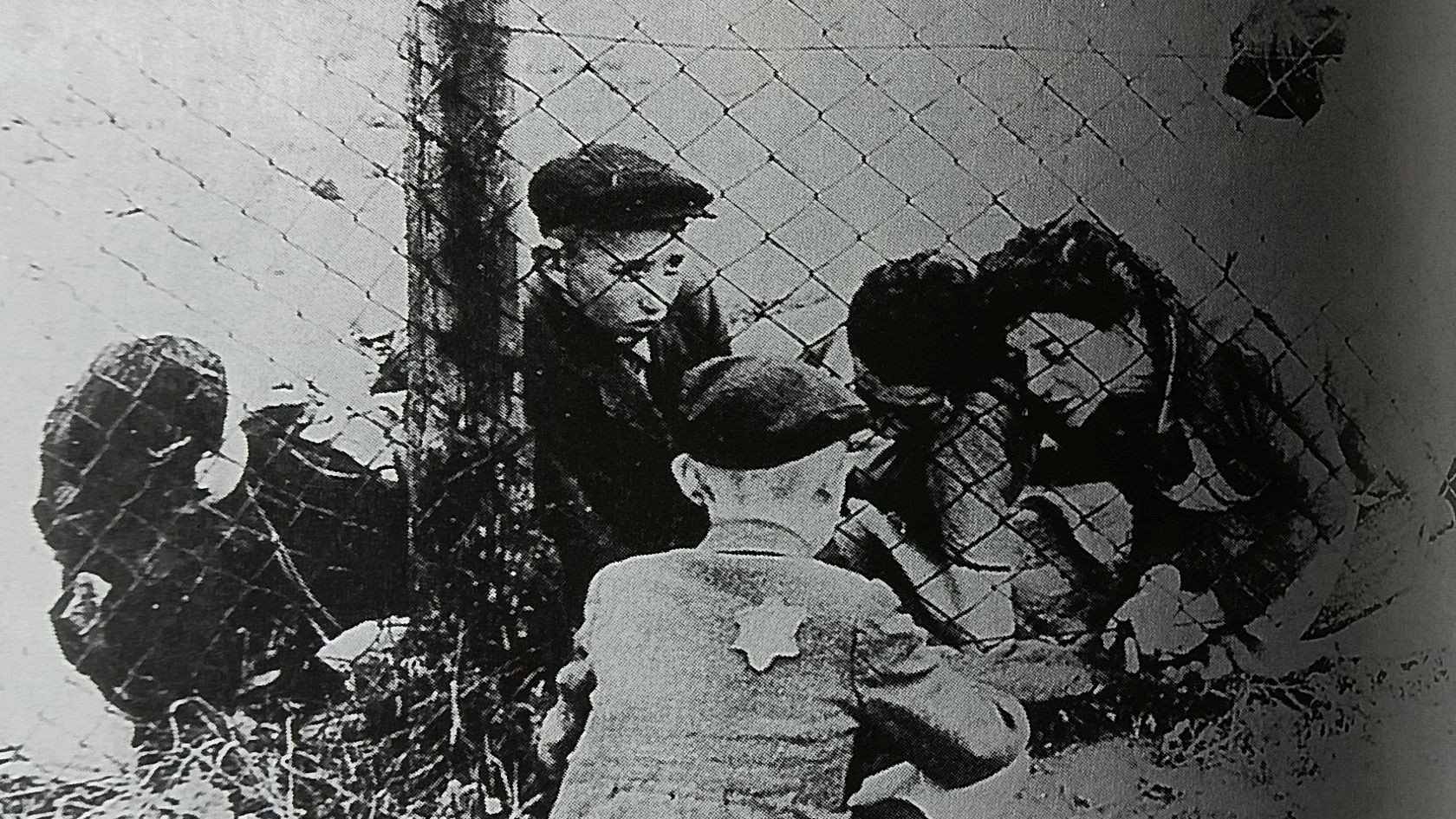
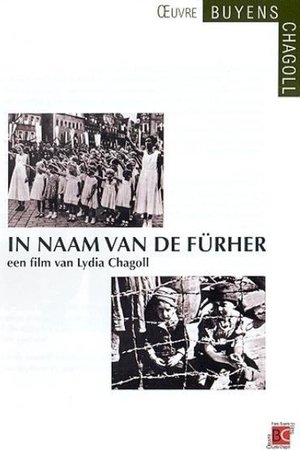


This film deals with the fate of children during the Second World War. The Nazis divided children into two categories: “the good ones,” the Aryan children, and “the bad ones,” the others. In the name of ultranationalism, Nazism, the theory of the Übermensch, and racism, Aryan children were mentally indoctrinated, while the others were imprisoned in camps and physically destroyed. These “others” were mainly children from non-Aryan and supposedly impure races: Jews, Poles, Russians, Yugoslavs, and Roma. For this film, Lydia Chagoll conducted research in World War II documentation centers, museums, and concentration camp archives in several countries, collecting texts, documents, and photographs. The film consists of a montage of photos and footage filmed by the Nazis themselves, accompanied by voice-over commentary based entirely on quotations from Nazi publications, laws, decrees, directives, newspapers, schoolbooks, reports, and political texts.
The characters aren’t likable, the story is predictable and the humor is either disgusting, obnoxious, or uncomfortable. The Wrong Missy is a mess of a film and it’s not really worth your time.
In order to learn why an arguably outdated fanfic trope was resurfacing in the contact zone of popular culture, I dove into a vibrant trough of character development.
Who knew a drunken game of truth or dare could launch one of the most chaotic rom-coms of the year? The Threesome takes Connor’s fantasy night with Olivia (Zoey Deutch, in peak queen-of-indie form) and Jenny (Ruby Cruz) and flips it into a deliciously messy nightmare when both women end up pregnant. What follows isn’t cheap comedy—it’s a whip-smart, heartfelt exploration of love, consequence, and the beautiful disasters we call adulthood.
Pressure is an unambiguously great movie, lead by convincing performances, a well-crafted script, good direction, and at least some social awareness.
The second episode of the highly anticipated Afrofuturism series delivers with a high-speed race teaching us to go far beyond just accepting ourselves.