

'The Invisible Man' (2020): The Hiddenness of Domestic Abuse
The 2020 remake of 'The Invisible Man' explores the hidden nature of domestic violence with a classic sci-fi character.
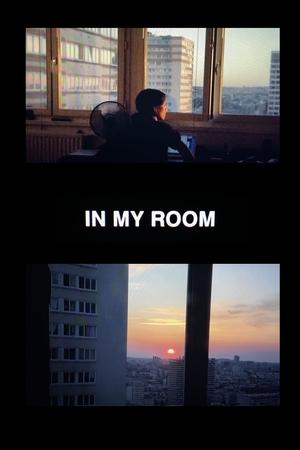


Made during confinement, "In My Room" plunges us into the poignant story of a woman at the twilight of her life, through recordings of the director's deceased grandmother. Living rooms become stages where life is performed. Windows become portals to the lives of others.
The 2020 remake of 'The Invisible Man' explores the hidden nature of domestic violence with a classic sci-fi character.
Even with its straightforward premise, “Richard Jewell” is ramped up by exceptional drama. In all honesty, the performances are out of this world. As Jewell, Paul Walter Hauser becomes a walking representation of gullibility. His bumbling antics create the perfect hero, and very quickly, we feel the societal heat that surrounds our protagonists.
In addition to the cast being delightfully diverse this time around, the film was just loosely-plotted and action-packed enough to keep a casual fan like myself entertained. While I do agree that the writing of Cole left much to be desired for an original character thrust into a preconceived universe, none of the characters seemed particularly fleshed out in terms of personality; however, I think that's to be expected when you're watching a film literally inspired by a video game.
Presenting a bold and unapologetic narrative focused on strong Muslim female characters, the show beautifully incorporates punk rock as a feminist movement in their lives.
When science, Bruce Banner is exposed to gamma radiation from his experiment, he transforms into a gigantic green monster when he gets angry and wreaks havoc wherever he goes.
Animation as a medium of storytelling can be thought to be open to all ages and as I hope my readings will reveal, they could be interpreted as transgender stories.