






What We Do in the Shadows (of Our Closet Walls)
There’s enough evidence to insinuate that What We Do in the Shadows is intentionally queer-coded.
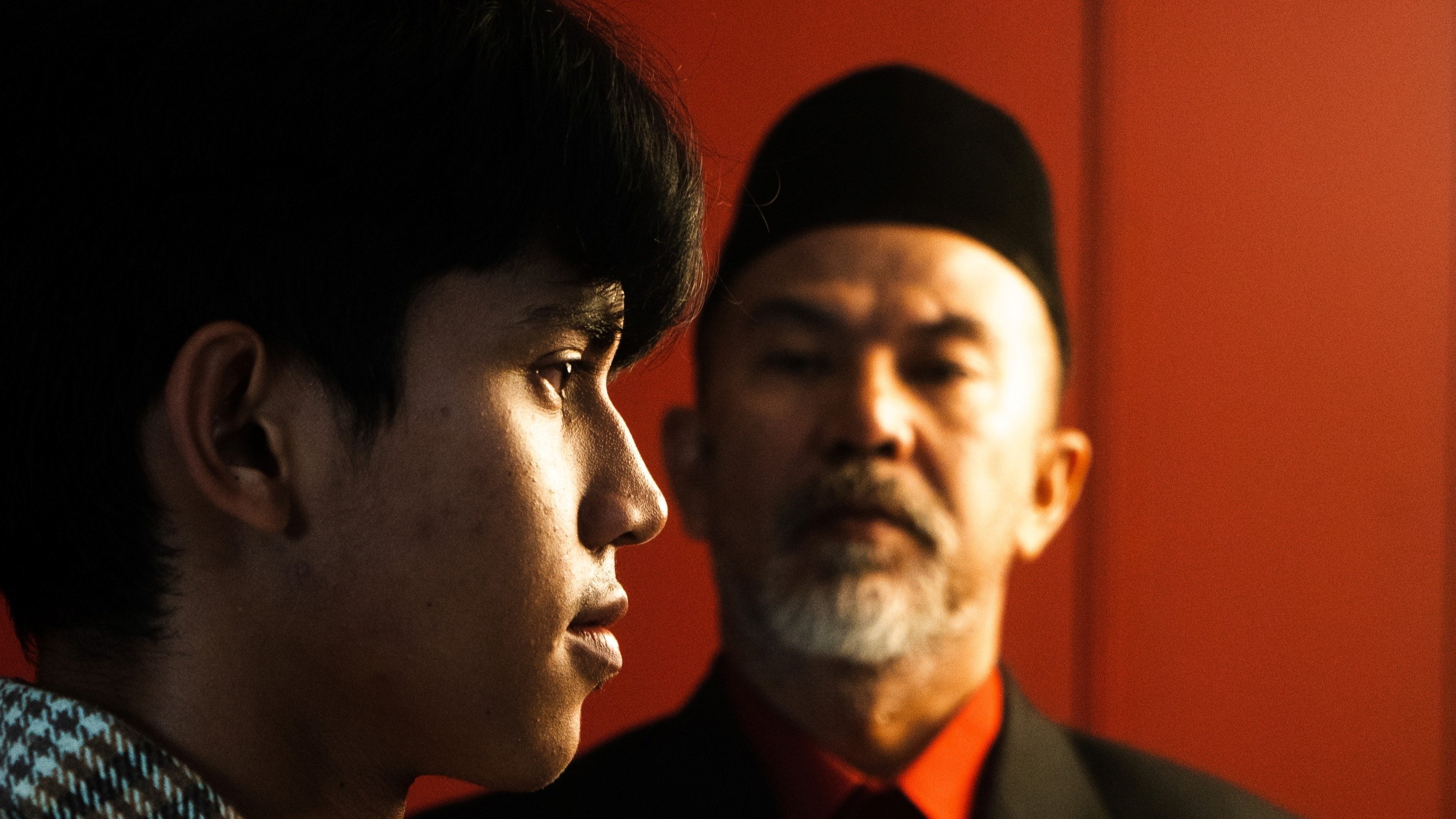



A teenager who works on a campaign of a well-known cleric running for government elections, accidentally found a lewd video collection of the cleric's sexual harassment among his students and congregation.
There’s enough evidence to insinuate that What We Do in the Shadows is intentionally queer-coded.
It doesn’t offer an absolute answer for the dialectical ethical questions that emerged in search of justice but portrays the characters as living people beyond the identities of victims.
At its heart, it’s a fond tribute to an influential artist and thus one that can speak to everyone’s inner artist, even if it lacks the sincere commentary you may wish to see.
2026 ranks highest in Oscars history for its representation of minorities in all categories, and that’s definitely something to be celebrated.
The Roses is a wickedly sharp marital warfare comedy that transforms domestic dysfunction into high art. Olivia Colman and Benedict Cumberbatch deliver powerhouse performances as a couple whose fairy-tale romance implodes when his architectural career collapses just as her culinary empire takes off. What makes Jay Roach's remake so devastatingly effective is its refusal to pick sides—both spouses are equally sympathetic and monstrous, wielding Tony McNamara's razor-sharp dialogue like weapons forged from shared intimacies. It's a film that dares you to laugh at relationship wreckage while forcing you to confront the uncomfortable truth that the line between passionate love and mutual destruction is terrifyingly thin.
The plot could’ve really been interesting if the elements of lycanthropy was integrated with perhaps the struggle of identity of being LGBTQ+. It's an experience for so many that as they’re starting to realizing their true selves, they feel like a monster, especially if they come from unsupportive homes or communities. Instead, the horror and transformation elements seem thrown in without contemplation of how this could deepen the narrative.