








'The Birdcage' is a Fun Film to Watch for Pride Month
The relationship between the characters is what makes this film stand out, and it’s just all-around fun.
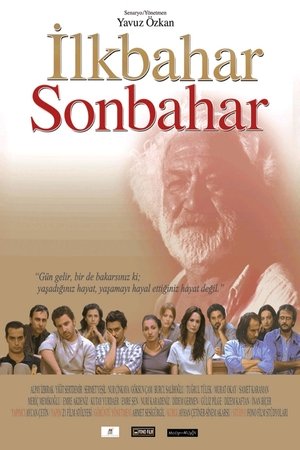


A film director, disillusioned with the state of the world, decides to intervene in life itself by making a movie. He mortgages his family’s land and country house - not because his goal is to shoot a film, but to create a brand‐new model of production and, above all, a new ethics of creation. He publishes an impassioned manifesto calling on young people to join him, and soon the country house overflows with hopeful applicants who, inspired by his words, seek not just a job but the thrilling adventure of filmmaking and a chance at a new life.
The relationship between the characters is what makes this film stand out, and it’s just all-around fun.
A pampered dog who gets lost and has to learn to live on his own while being flexible with surroundings.
Adam Sandler goes hard as an NBA scout in this male-heavy sports-drama.
"Hustlers" returns power to groups that are traditionally deprived of it: women, the working class, and sex workers.
'Don't Make Me Go' is what you would expect, Wally and her father, Max, clash tremendously and don't understand each other. Although, it's very heartwarming.
The film blends reality and the supernatural world together, leaving the viewer unsure of what’s real and what’s merely a figment of Michael’s agitated imagination.