











Paris is Burning: 30 Years Later
Paris is Burning elevated drag and ballroom into the public consciousness and permanently impacted LGBT culture. However, the performers featured in the documentary didn't reap the rewards of their visibility.
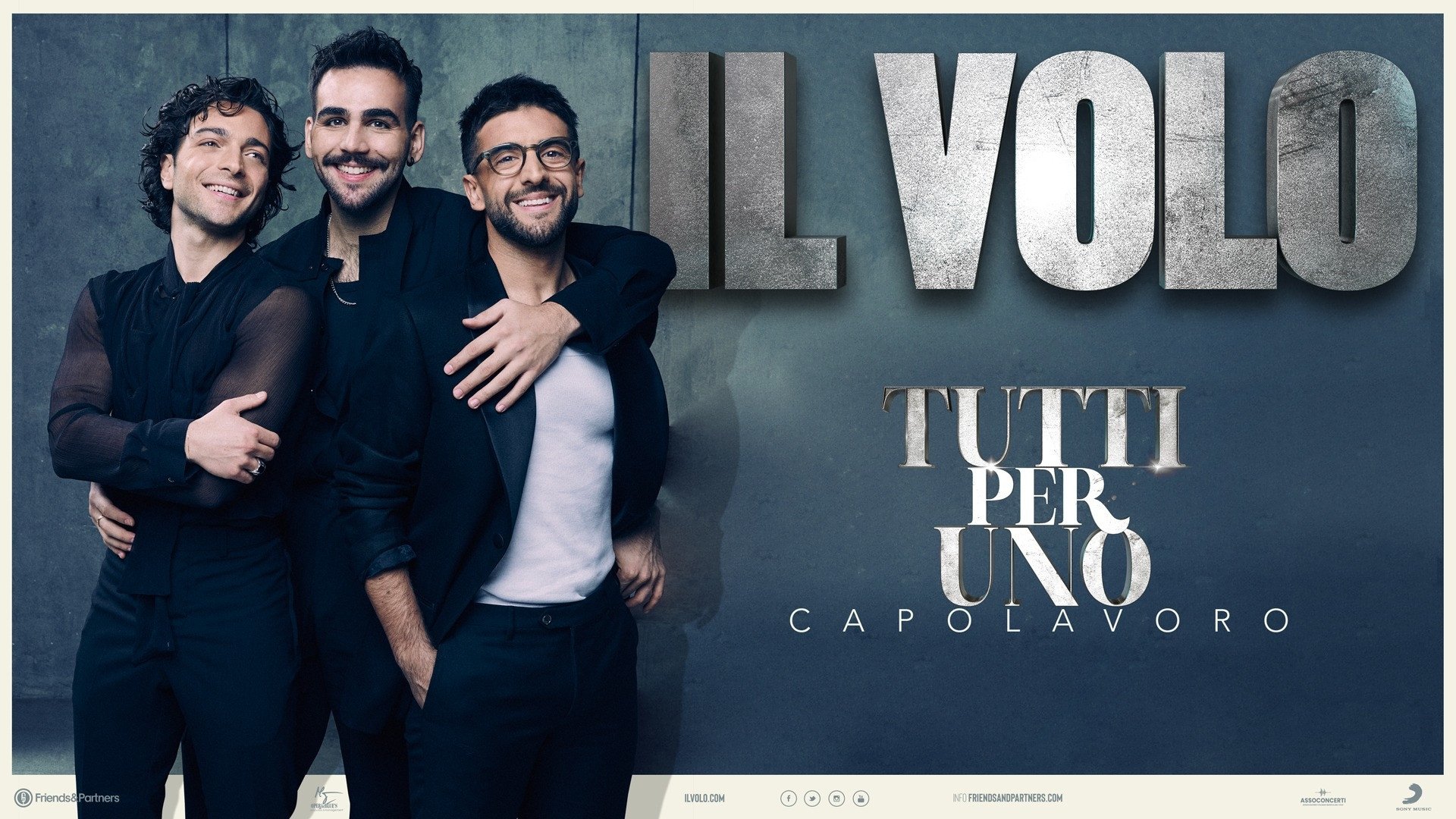
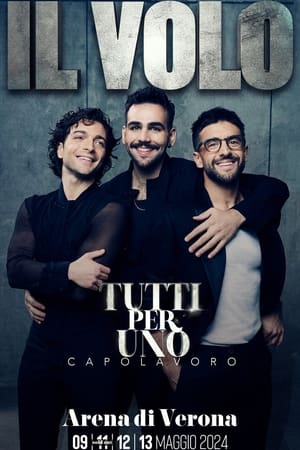


Il Volo - Tutti per uno is an Italian television program of musical genre, a concert broadcast in prime time on Canale 5, created by the trio Il Volo. The second edition of Il Volo - Tutti per uno was broadcast on three evenings recorded from 9 to 13 May and broadcast from 14th to 28th of May 2024, and represents movie version of concerts held at the Verona Arena, marking the group's fifteenth anniversary. The evenings are characterized by the performance of the trio (including individual performances) and by the presence of guests who sometimes duet with the members of Il Volo. The second edition of the concerts was hosted by Il Volo and a different presenter for each night of the concert: Giorgia (first evening), Federica Panicucci (second evening) and Eleonora Abbagnato (third evening). The guest for the first concert include: Giorgia, Claudio Baglioni, Francesco De Gregori, Alessandra Amoroso, Roberto Vecchioni, Gaetano Curreri, Mara Sattei, Giorgio Panariello.
Paris is Burning elevated drag and ballroom into the public consciousness and permanently impacted LGBT culture. However, the performers featured in the documentary didn't reap the rewards of their visibility.
Wilde’s coming-of-age comedy directorial debut is simultaneously hilarious and entertaining, and remarkably heartfelt and relatable.
Season three of Netflix’s "You" has finally made its comeback! Was it worth the wait? Well…I would not say so. It felt like a bit of a chore to get through. But, as I am somewhat of a completionist, I eventually saw the season through to the end.
Marvel’s first Asian superhero film, 'Shang-Chi', deserves praise for balancing epic superhero action, a heartfelt family plot, and positive Asian representation.
An in-depth discussion about anti-Black discrimination in college and professional football.
A story of a magical dragon brings great representation for Chinese culture.